
Lycian Gastronomy: A Table of Sea, Plain and Highland
Lycian Gastronomy is a landscape served at the table. Here the Taurus Mountains come so close to the sea that within a few hours you can climb from the coast to the plains, and from the plains to highlands more than a thousand metres up. Each level has its own cuisine: fish and sea greens on the coast; olives, citrus and vegetable gardens on the plains; and in the highlands, the tandır roasts, keşkek and dairy of the Yörük tradition.
In this guide you will discover Lycia’s three-level table, its olive oil and wild herb culture, the region’s signature flavours and the markets where you can find them.
📌 Contents
A Three-Level Table: Sea, Plain, Highland
The coast: From Kaş to Kekova and from Fethiye to Finike, the table centres on the day’s catch, sea greens and olive oil meze.
The plains: The Eşen (Xanthos) valley and the plains of Demre and Finike are the region’s garden. In antiquity, the great granary at Andriake, the harbour of Myra, showed how fertile this land was. Today the plains are covered with olive groves, orange orchards and vegetable greenhouses.
The highlands: Elmalı and the surrounding uplands are the world of the Yörük, who for centuries have taken their flocks up to the summer pastures. Slow-cooked tandır meat, gözleme and flatbreads baked on the griddle, tarhana, yoghurt and cheese are the flavours of this level.
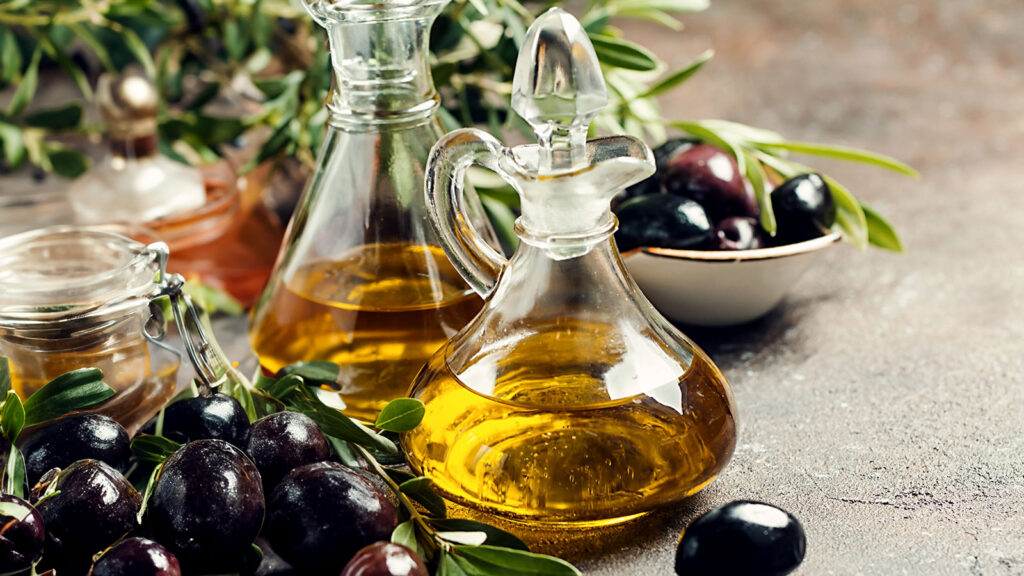
The Olive in Lycian Gastronomy: A Partnership of Thousands of Years
For thousands of years the olive has been the foundation of farming and of the table in Lycia. The remains of olive presses have been found at many ancient settlements in the region. Oil was used not only for cooking but also for lighting and trade. The old olive trees you pass on the Lycian Way today are living witnesses to this long partnership.
The region’s olive oil goes into almost every dish, from vegetables and wild greens to meze. To learn more about the olive in nature, see our Lycian Maquis Plants page.
Herbs of the Mountains and Fields
In Lycian cooking, herbs come not from the spice rack but from the fields and mountains. Depending on the season, mallow, golden thistle, chicory and wild radish greens are cooked or sautéed in olive oil. Aromatic maquis plants such as bay, myrtle and thyme give meat dishes and olive oil recipes their distinctive local scent.
Foraging is a tradition that takes knowledge: local people know which plant to pick, where and when. Buying from producers at the market is safer and kinder to nature than picking them yourself. For where these plants grow, see our Lycian Flora guide.
The Region’s Signature Flavours
- Keşkek: Pounded wheat and meat cooked together for hours, the dish of weddings and festivals, especially in highland villages. The keşkek tradition is inscribed on UNESCO’s Intangible Cultural Heritage list.
- Elmalı tandır: Meat slow-cooked for hours in a pit oven, the best-known dish of the Elmalı highlands.
- Tahini piyaz: The signature of Antalya cuisine, where white beans meet a tahini dressing.
- Gözleme and bazlama: Thin griddle breads from Yörük tradition, filled with greens, cheese or potato.
- Finike orange: A seedless orange grown on the Finike plain and registered as a geographical indication. It is at its best in winter.
- Elmalı apples and tarhana: The town takes its name from its apple orchards. Highland tarhana and local cheeses are staples of the Elmalı market.
- Pine honey: Produced in the red pine forests of the Muğla side, at the western end of the region. Türkiye produces most of the world’s pine honey.
- Carob molasses: Made from the carob trees that grow along the coast and, with tahini, a breakfast classic.
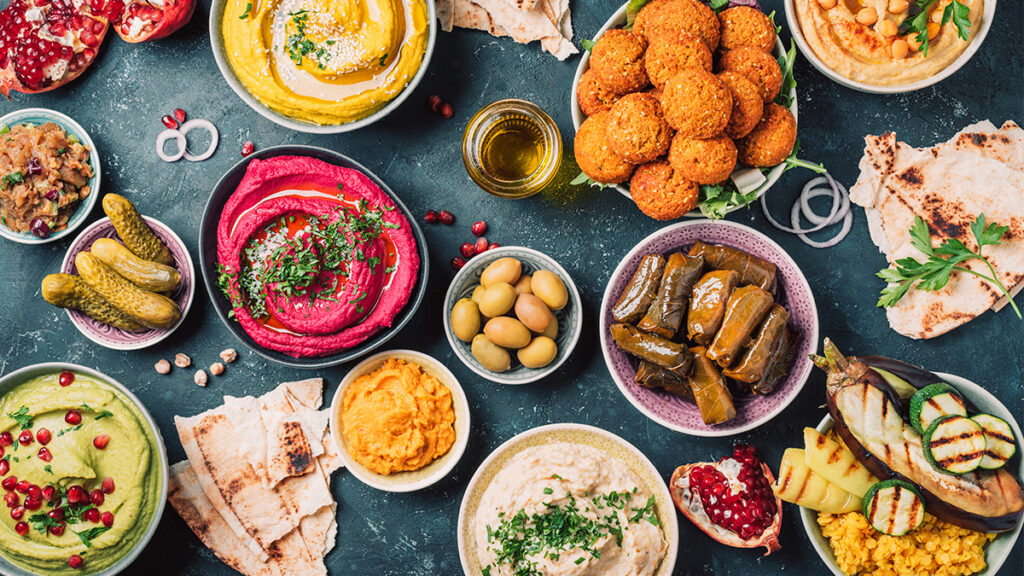
From Sea to Table
On the Lycian coast, fish is cooked simply: grilled, with a little olive oil and lemon. Coastal plants such as sea purslane lead the meze. To discover the underwater world, see our Lycian Marine Life page.
- Fish in season: Ask the restaurant what was caught that day and what is in season. Respecting closed seasons and minimum sizes is the easiest way to protect the sea.
- Blue crab: Caught in Beymelek Lagoon near Demre, the blue crab is an invasive species that reached the Mediterranean only recently. Eating it also eases the pressure on native species.
Markets and Places to Eat
The best way to get to know a region’s cuisine is through its markets.
- Fethiye: The large Tuesday market, and the fish market where you can choose fish from the counter and have it cooked at the surrounding restaurants.
- Elmalı: The Friday market, with highland cheeses, tarhana, dried pulses and handicrafts.
- Kaş and Kalkan: Traditional eateries alongside restaurants offering modern takes on Mediterranean cooking.
- The Elmalı highlands: Viticulture, practised around the Mediterranean since antiquity, still thrives here. Some vineyards welcome visitors.
Local Producers, Responsible Eating
The future of Lycian Gastronomy depends on the people who keep it alive: the highland farmer who saves seed, the olive and orange growers of the plains, the fishers of the coast. Shopping at markets, choosing local eateries and eating in season are the most direct ways to protect this heritage. For more, see our Sustainable Travel and Ethics Guide.
❓ Frequently Asked Questions
Are there vegetarian options in Lycian cuisine?
Yes, plenty. Olive oil dishes, wild greens, meze, gözleme and piyaz are meat-free. Some dishes may use meat stock or butter, so it is worth asking when you order.
What do people drink in the region?
Ayran and freshly squeezed orange or pomegranate juice are table classics. Sage and thyme teas from the mountains are common, and local wines are produced in the Elmalı highlands.
When is the best season to taste Lycia?
Every season has its own table: spring for wild greens, summer for vegetables and fish, autumn for olives and pomegranates, and winter for oranges.