
The Lycian Way: A Hiking Guide
The Lycian Way is more than Türkiye’s first long-distance hiking trail. It is a journey through time of around 540 kilometres, stretching from Fethiye to Antalya. Named by The Sunday Times as one of the world’s top ten long-distance walks, the trail links steep mountain paths, turquoise coves and ancient cities thousands of years old. With its waymarked paths and village accommodation, the Lycian Way opens the doors of the Land of Light to thousands of walkers every year.
This guide is designed to help you understand the spirit of the trail, plan your stages and walk in the footsteps of those who brought this route to life.
📌 Contents
What is the Lycian Way?
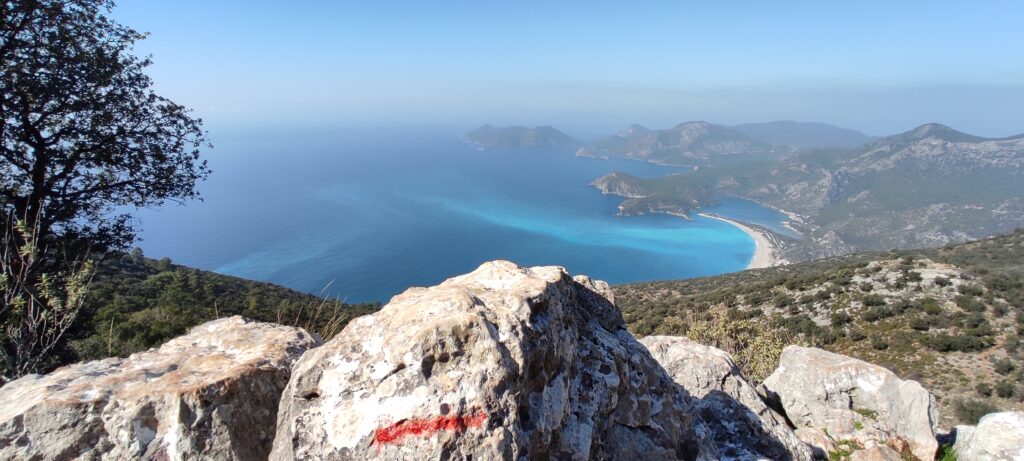
The Lycian Way was born in 1999, when Kate Clow waymarked the old footpaths and mule tracks that had linked the region’s ancient cities and villages for centuries. Along the way you encounter not only nature but also the traces of Lycian history. One moment you are gazing at the turquoise waters of a Lycian cove; a few hours later you are resting in the shade of centuries-old cedars in the high mountain zone.
Stalwarts of the Trail: Kate Clow and Ersin Demirel
Two people who helped shape the Lycian Way and make it known. You can find articles and route descriptions by both of them on our site.
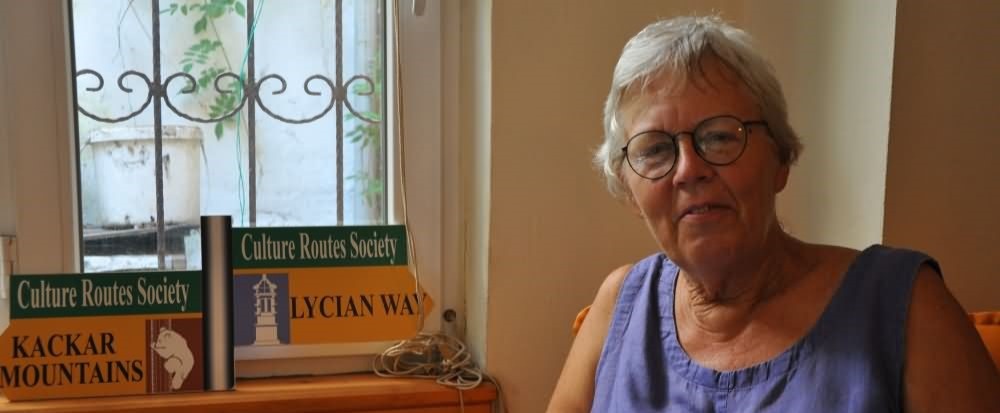
Kate Clow: Architect of the Lycian Way
Kate Clow opened the Lycian Way in 1999, waymarked the route step by step and wrote its official guidebook. The Culture Routes Society, which she co-founded, continues to maintain and promote the trail today. Discover the historical and cultural fabric of the trail through her eyes.
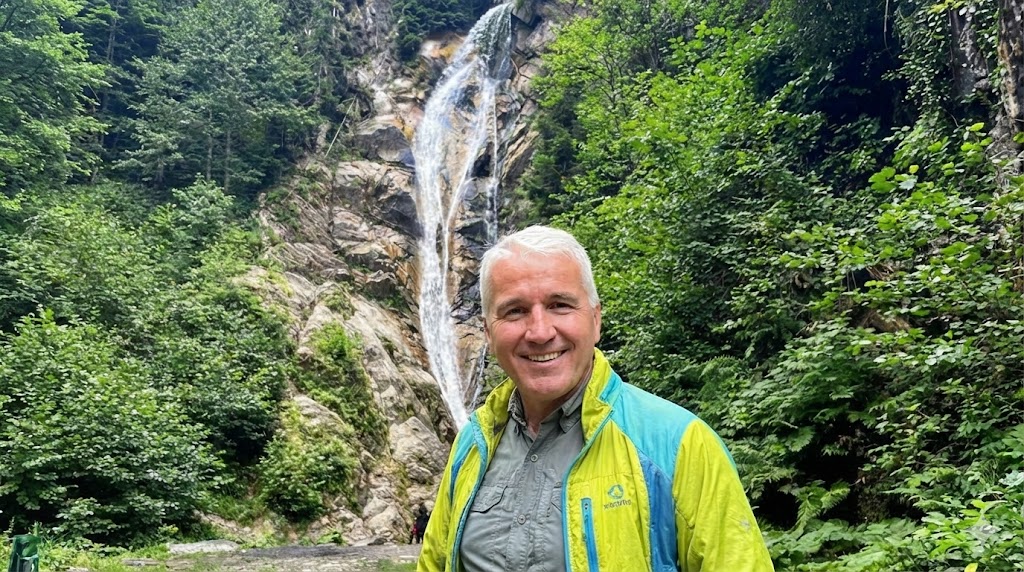
Ersin Demirel: Traveller of the Trai
An Antalya-based travel writer and photographer who works on cultural routes across Türkiye and writes for magazines such as Skylife and Atlas. He has walked and documented the Lycian Way, and prepared the Fethiye Alternative Walking Routes with Nihat Tokdil to complement it. Many of the Lycian Way photographs on our site are his.
🥾 Ancient Traces Along the Way
Many of the cities you pass on the Lycian Way were once known by their Lycian names. If you are curious about the stories behind the names on the signposts, see our article on Lycian City Names.
Three Sections: Western, Central and Eastern Lycia
The Lycian Way is divided into three main sections according to geography and difficulty. Each offers its own landscape and flora.
1. Western Lycia (Fethiye – Kalkan)
The most walked section of the route. Starting near Ölüdeniz, it runs along the slopes of Babadağ.
- Key Sites: Telmessos (Fethiye), Sidyma, Pydnai, Xanthos (Lycian: Arñna), Letoon, Patara.
- Difficulty: Moderate
2. Central Lycia (Kaş – Demre)
The section most closely tied to the sea, following the coastline with views of the sunken ruins of Kekova.
- Key Sites: Antiphellos, Aperlai, Simena, Myra.
- Difficulty: Easy to Moderate
3. Eastern Lycia (Finike – Antalya)
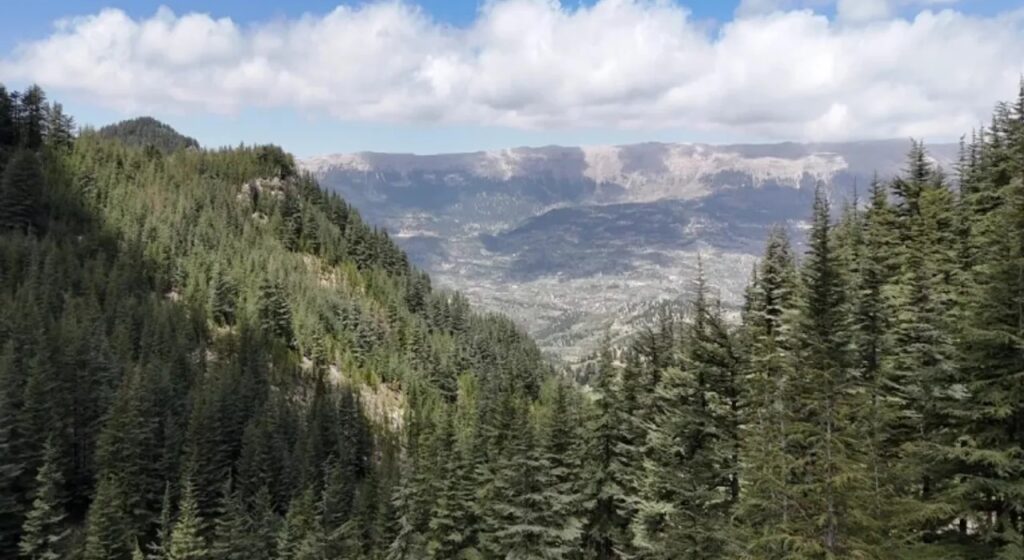
The highest and most technically demanding section, passing through cedar forests and climbing the slopes of Mount Tahtalı. The route also passes the flames of the Chimaera (Yanartaş). With luck, you may spot wild goats, one of the emblems of Lycian fauna.
🎒 The Hiker’s Checklist: Equipment and Planning
Preparation is everything on the Lycian Way.
- Best Season: Spring (March–May) and autumn (September–November). In March there may still be snow on the higher stages. Extreme summer heat makes walking dangerous.
- Footwear: Waterproof, ankle-supporting walking boots with a firm sole are essential.
- Water and Food: Some stages have no water sources. Carry at least 3 litres of water and energy-rich local foods such as dried figs, walnuts and grape molasses.
- Accommodation: You can stay in village guesthouses or camp. In national parks, camping is allowed only in designated areas, and it is not permitted at archaeological sites. See our Lycian Accommodation Guide for details.
Sustainability and Trail Ethics
To walk the Lycian Way is to become a guardian of a heritage thousands of years old.
- Leave No Trace: Always carry your rubbish back with you.
- No Open Fires: The fire risk is extremely high, especially in the Turkish pine forests. In summer and autumn, provincial authorities may ban entry to forests, so check before you set out.
- Respect the Waymarks: Do not alter or write on the red-and-white waymarks.
- Protect the Ancient Sites: Do not damage stones or structures at ancient sites. Read our Sustainable Travel and Ethics Guide for all guidelines.
🏛️ Official Trail Resources
For GPS data, current trail conditions and events, follow the Culture Routes Society (Kültür Rotaları Derneği), co-founded by Kate Clow. You can also read Ersin Demirel’s account of walking the Lycian Way on his blog. These sources will keep you informed of any changes on the ground, such as construction or temporary closures.
❓ Frequently Asked Questions
Can the Lycian Way be walked solo?
Yes. Most of the route is waymarked in red and white, but in places the marks may be faded or missing. Using an offline GPS app, walking with at least one companion where possible, and letting someone know your route are all recommended.
How long does the full route take?
The route of around 540 km takes about 25–30 days. Most walkers prefer to split it into sections of a few days and complete it over several trips.
Are there shops along the route?
Most villages have a small grocery shop, but some remote stages have no settlements at all. Plan your food and water accordingly.