
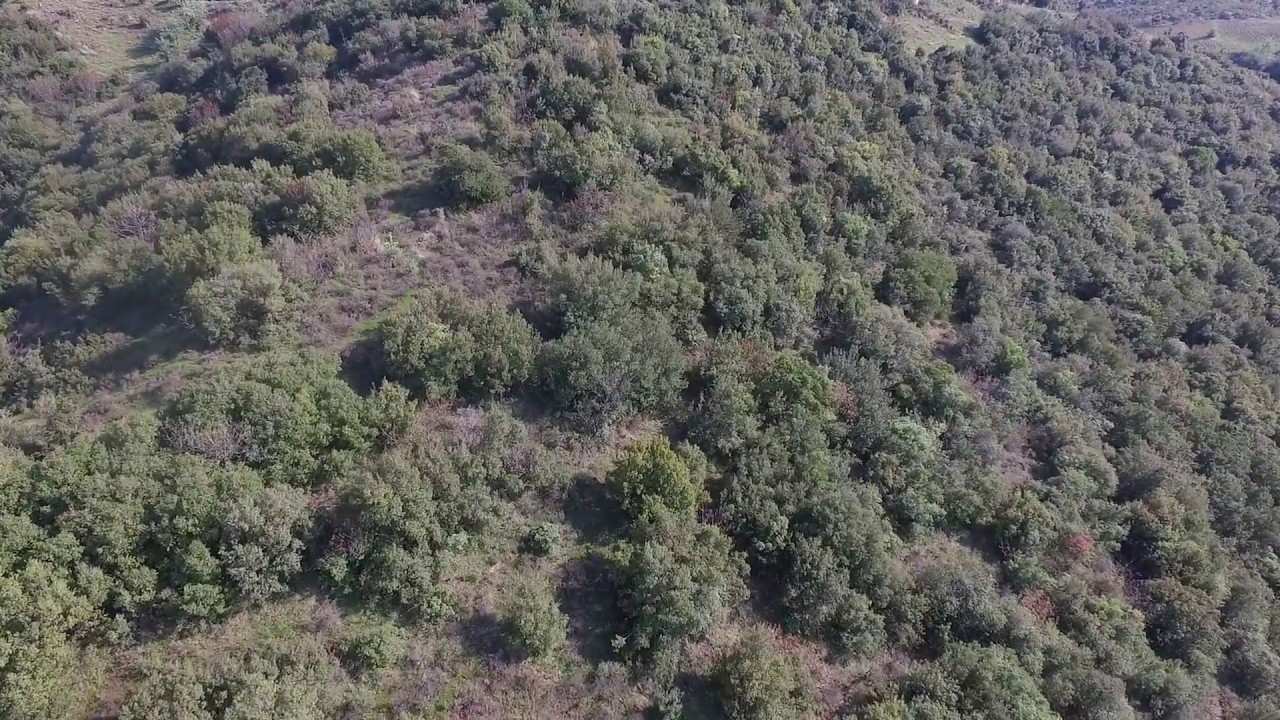

The Green Armour of Lycia: Maquis Zone (0-800m)
The Maquis Zone of the Lycian geography, stretching from sea level to approximately 800 metres altitude, is the region’s most characteristic, most resilient and most fragrant vegetation. Often mistakenly perceived as “degraded forest areas”, the maquis is in fact a magnificent biodiversity treasure evergreen and perfectly adapted to the harsh conditions of the Mediterranean climate such as scorching summer drought, extreme sun and water scarcity.
In this guide, we will examine in detail this uninterrupted greenery bursting from grey rocks, the healing species of the Lycian Maquis Plants world and the survival art of this ecosystem.
📌 Contents
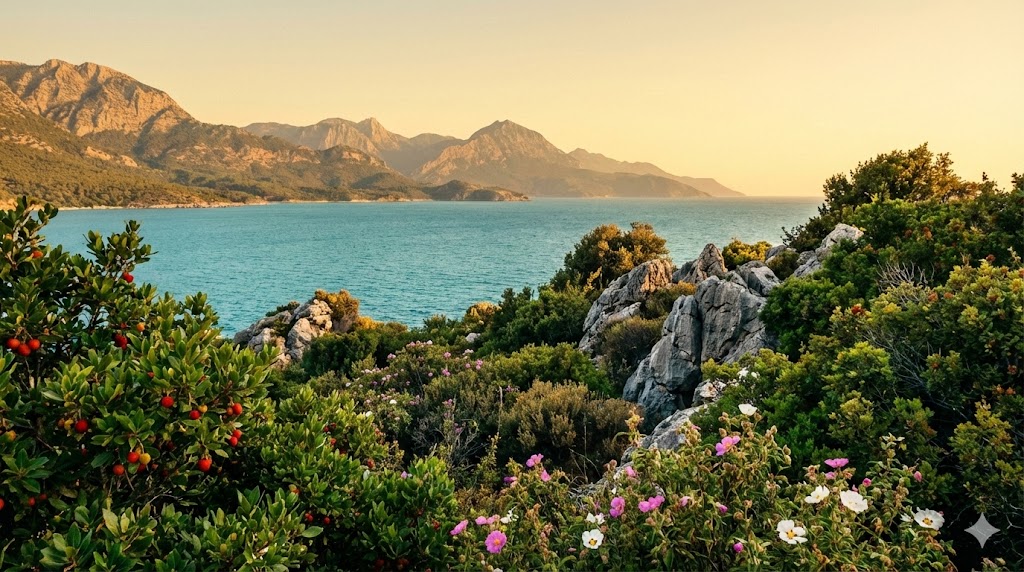
A Survival Art for Lycian Maquis Plants: Sclerophyll
The greatest biological characteristic of the Lycian Maquis Plants group is that they are “sclerophyllous” possessing hard, leather-like leaves. This structure acts as a natural shield preventing the plants from losing water under the scorching Mediterranean sun.
These shrubs and small trees, which rapidly absorb winter rain like a sponge and carefully protect their moisture with a waxy coating in summer, paint the Lycian slopes with fresh greenery in every season. This resistance mechanism also provides year-round uninterrupted shelter and food sources for the region’s wildlife. For fauna details, see our Lycian Mammals page.
An Aromatic Journey: Lycian Maquis Plants and Their Scents
Taking a nature walk in the maquis zone is like wandering through a vast natural perfume shop. Especially during the hours when the sun is at its peak, the volatile oils released by the plants blend the scents of Myrtle, Laurel, Lavender and Thyme into the air.
The dominant species of this zone Strawberry Tree, Mastic and Carob offer not only a visual feast but have also held a powerful place in the lives of the Lycian people as sources of healing and nutrition since ancient times. We will soon explore the place of these plants in culinary culture in depth on our Lycian Gastronomy page.
Maquis or Garrigue? The Transition from Coast to Slopes
As you move away from the sea along the Lycian coastline and climb the slopes, the maquis cover grows taller and sometimes forms an impenetrable wall. However, in areas very close to the coast where the effect of wind and salt is harsh, plant heights decrease.
This is where “Garrigue” comes in generally knee-height or shorter, more compact and resilient shrubs (Cistus, Thorny Burnet, Lavender). The true element that completes Lycia’s legendary coastal landscape is this aesthetic intertwining of maquis and garrigue structures. For information on the conservation status of these zones, see our Lycian Nature Conservation and National Parks Guide.
Lycian Maquis Plants Recognition Guide: 12 Important Species
Here is the list of characteristic Lycian Maquis Plants you will most frequently encounter and should recognise on Lycian slopes:
1. Strawberry Tree (Arbutus andrachne)
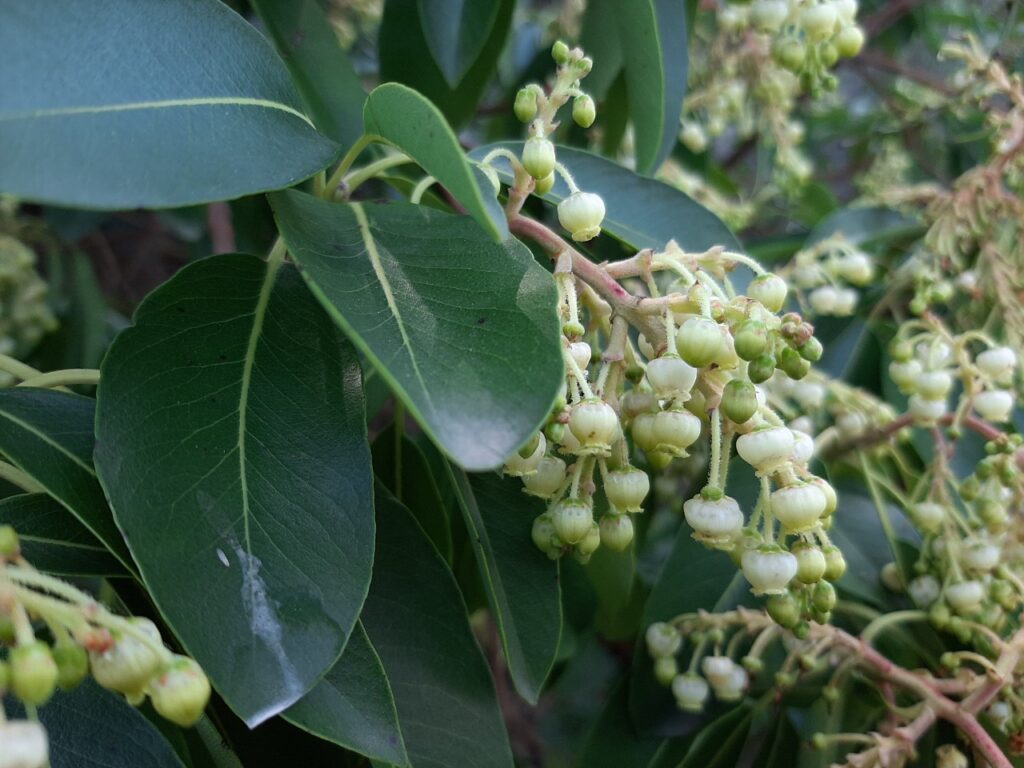
The most aesthetic member of the maquis with its smooth, reddish and constantly peeling trunk bark. Opens white cluster flowers in spring.
2. Carob (Ceratonia siliqua)
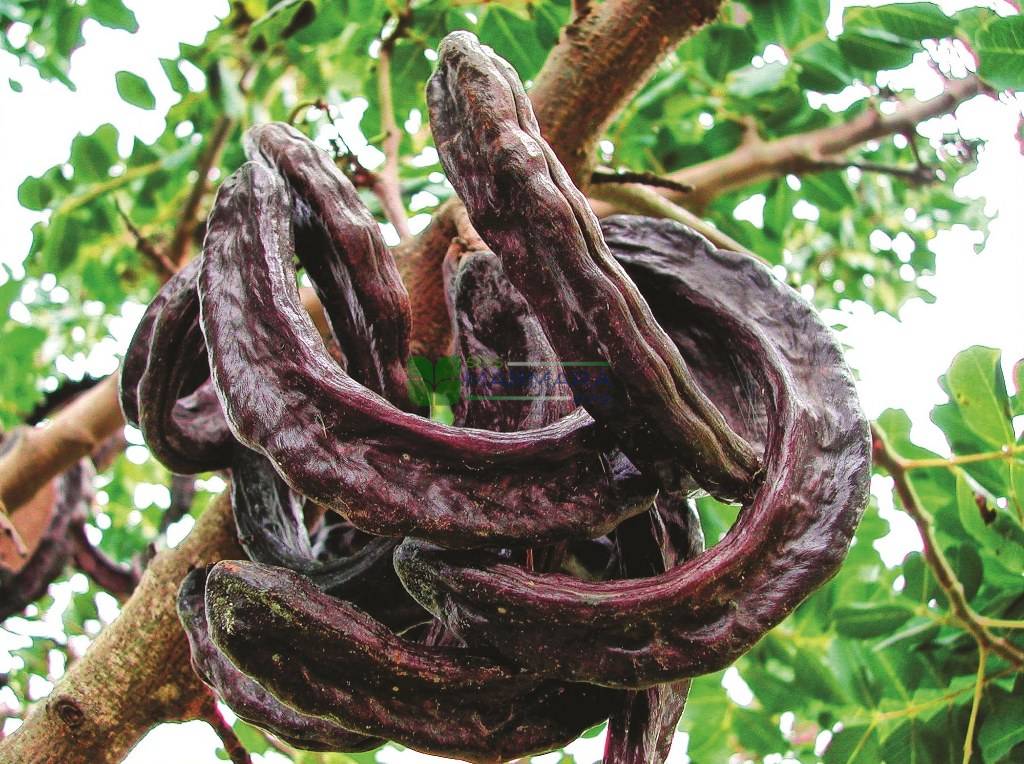
An evergreen, majestic tree. Its fruits (pods) are an energy store for both humans and animals. One of the most important livelihoods of Lycian villagers.
3. Mediterranean Myrtle (Myrtus communis)
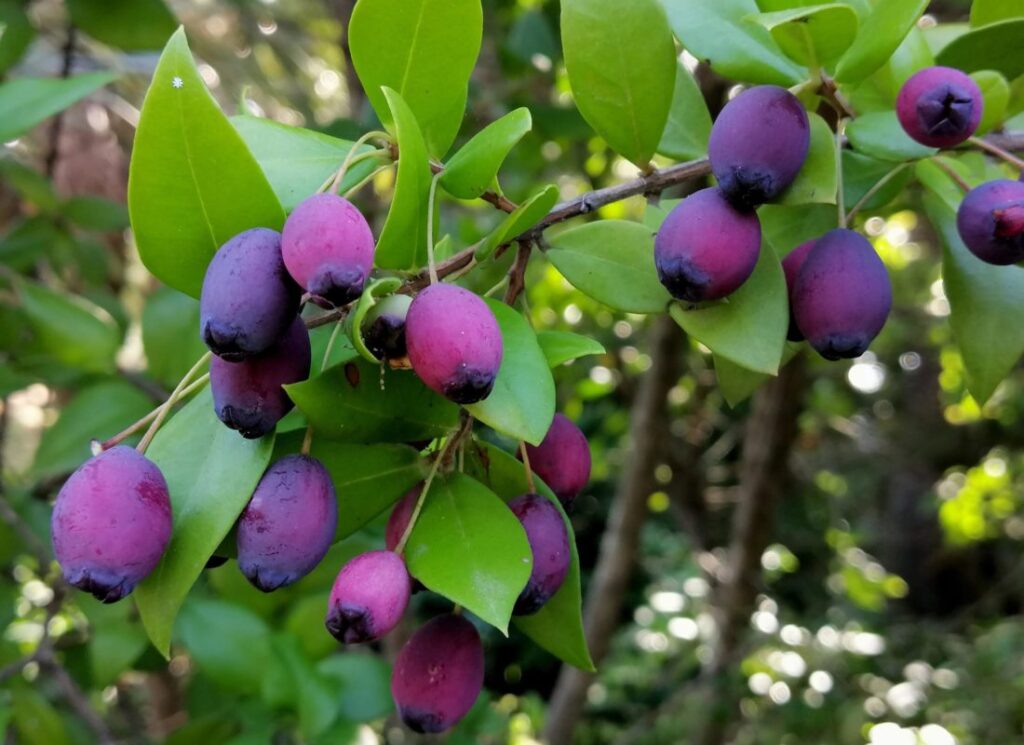
Known for its pure white flowers and legendarily fragrant leaves. Its black and white berries (Hambeles) that ripen in autumn are quite delicious.
4. Mediterranean Laurel (Laurus nobilis)
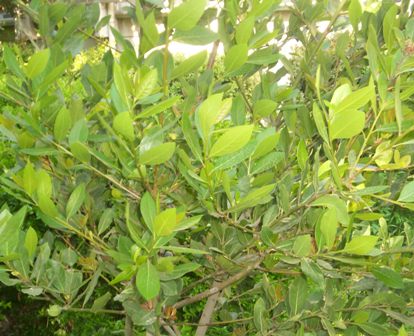
The symbol of victory and healing. Can grow up to 10 metres in humid valleys. Its leaves have been used in cooking and medicinal oil production since ancient times.
5. Terebinth (Pistacia terebinthus)
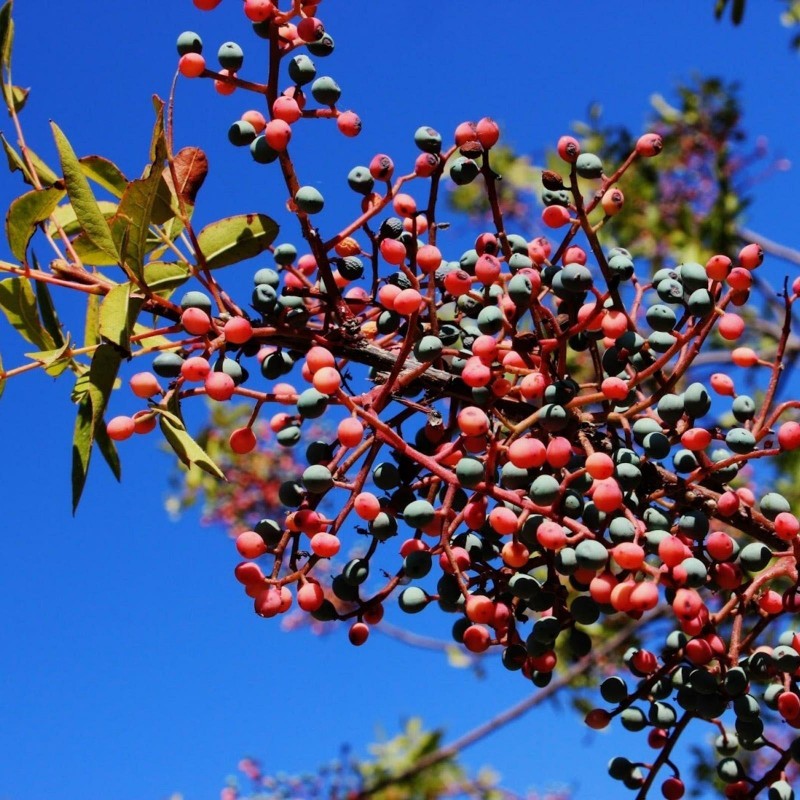
A resin-rich small tree with a mastic scent. Unlike other species, it sheds its leaves in winter. The famous “Menengiç Coffee” made from its fruits is a cultural part of the region.
6. Mastic Tree (Pistacia lentiscus)
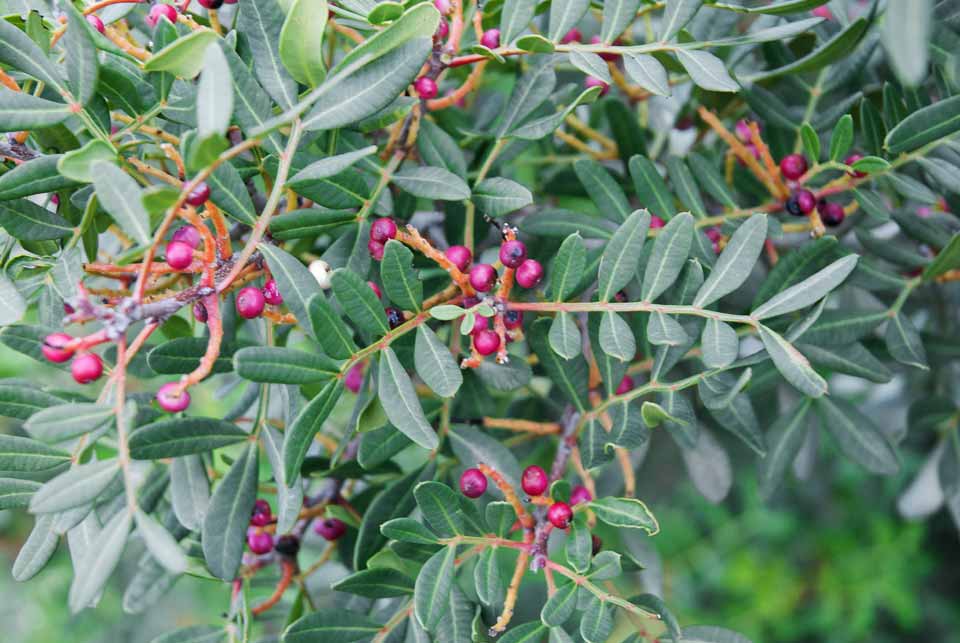
Its resin (mastic gum) has held a place in medicine and culinary culture for thousands of years. One of the most salt-resistant species.
7. Holm Oak (Quercus ilex)
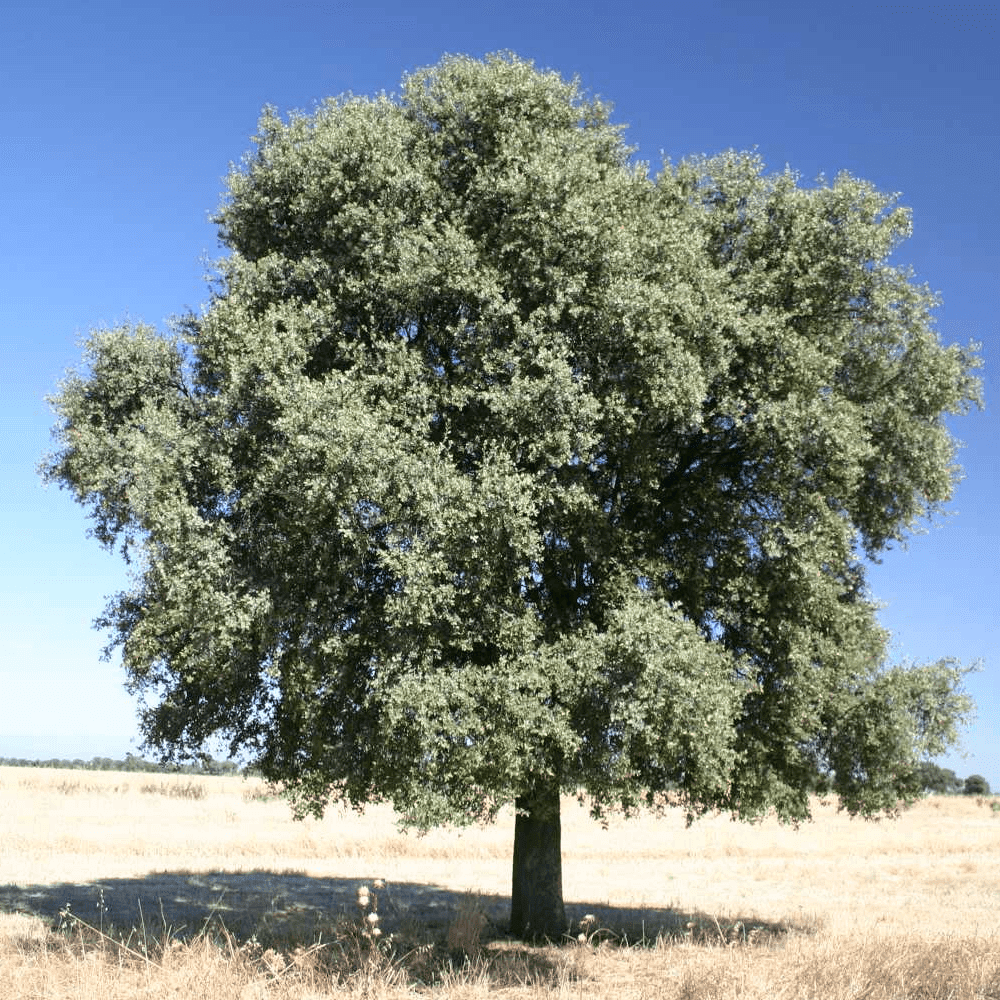
The “Queen” of the maquis zone. A true symbol of resilience with its hard and spiny leaves. Provides habitat for many micro-organisms in its shade.
8. Mock Privet (Phillyrea latifolia)
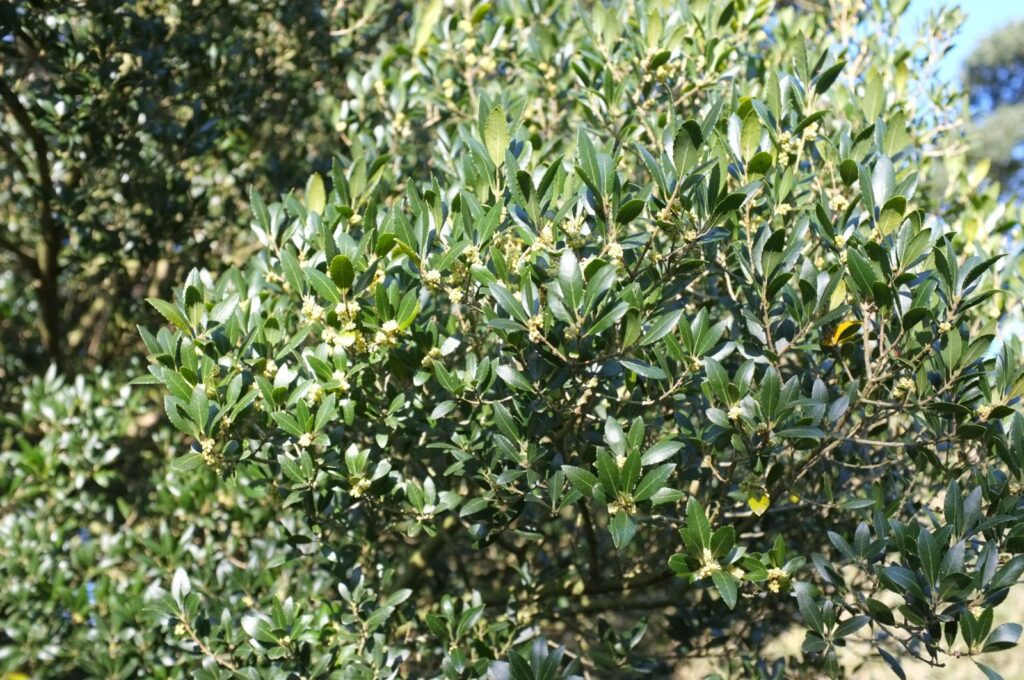
A member of the olive family. Its very hard wood was used in tool and weapon making in ancient times.
9. Strawberry Tree (Arbutus unedo)
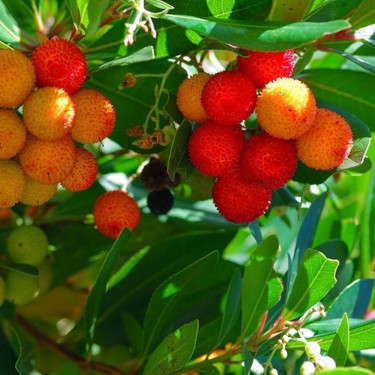
Offers a enchanting sight in autumn, carrying both its white flowers and bright red fruits (wild strawberries) at the same time.
10. Spanish Broom (Spartium junceum)
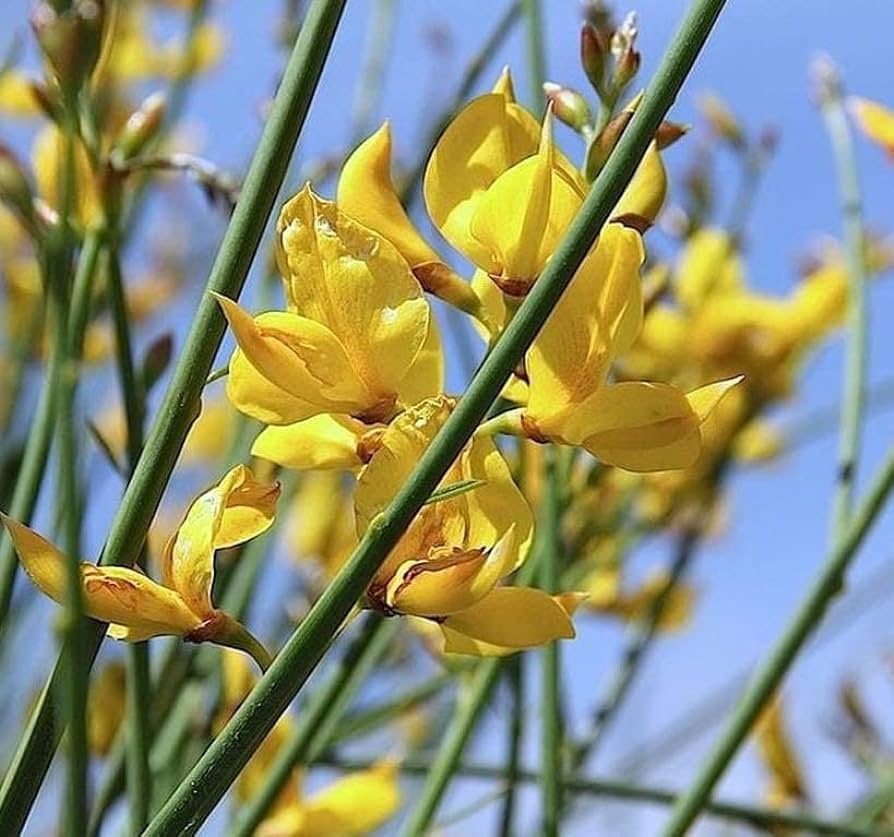
In May, it adorns Lycian roads with its bright yellow colour and unique perfume-like scent. Performs photosynthesis through its green stems.
11. Cistus (Cistus sp.)
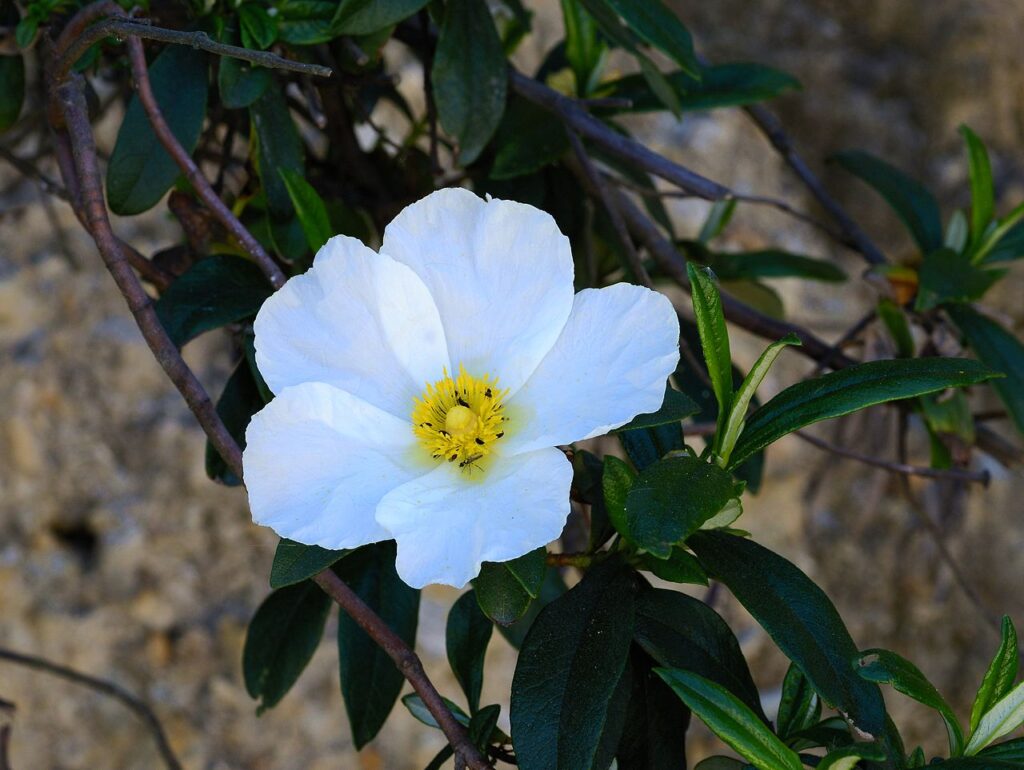
The ornament of garrigue areas with its pink and white paper-like flowers. The resin in its leaves was one of the basic ingredients of ancient perfumery.
12. Thorny Burnet (Sarcopoterium spinosum)
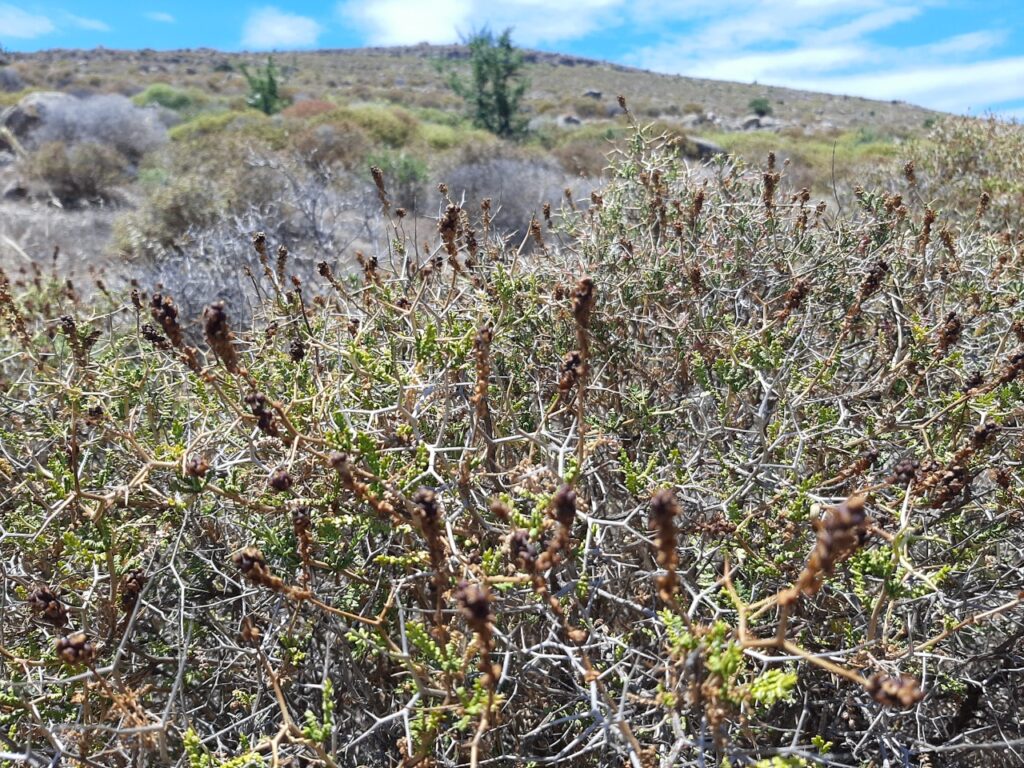
The most resilient, spherical and spiny shrub of the coastlines. Nature’s most powerful barrier in preventing soil erosion.
Protecting the Maquis Ecosystem and Ethical Observation
Lycian Maquis Plants are the insurance of the region’s ecological balance. Observing these principles while exploring these areas means protecting the future:
- Plant Collection: When collecting Myrtle or Laurel, act without harming the plant, only taking what you need and using sustainable methods.
- Fire Safety: Maquis plants contain volatile oils and can catch fire very quickly. Never light fires in these areas.
- Habitat Respect: When passing through the shrubs, take care not to damage bird nests and small creatures on the ground. Read our Sustainable Travel and Ethics Guide page for detailed ethical rules.
Scientific Sources and Ecosystem Monitoring
To access more in-depth technical data on Lycian Maquis Plants and the region’s flora diversity, you can visit TUBIVES (Turkish Plant Data Service), Turkey’s most comprehensive digital database. You can also review the IUCN Red List for the global conservation status of endangered species in the Mediterranean ecosystem, and the Nature Association (Doğa Derneği) official pages for current reports on biodiversity projects in Turkey.
❓ Frequently Asked Questions
Do maquis plants shed their leaves in winter?
With exceptions such as Terebinth, the vast majority of Lycian Maquis Plants are evergreen. This is why Lycian slopes remain green even in winter.
When can I best smell the maquis scent?
During the spring flowering season and in summer when the midday heat causes plants to release their aromatic oils, the scent is at its most intense.