
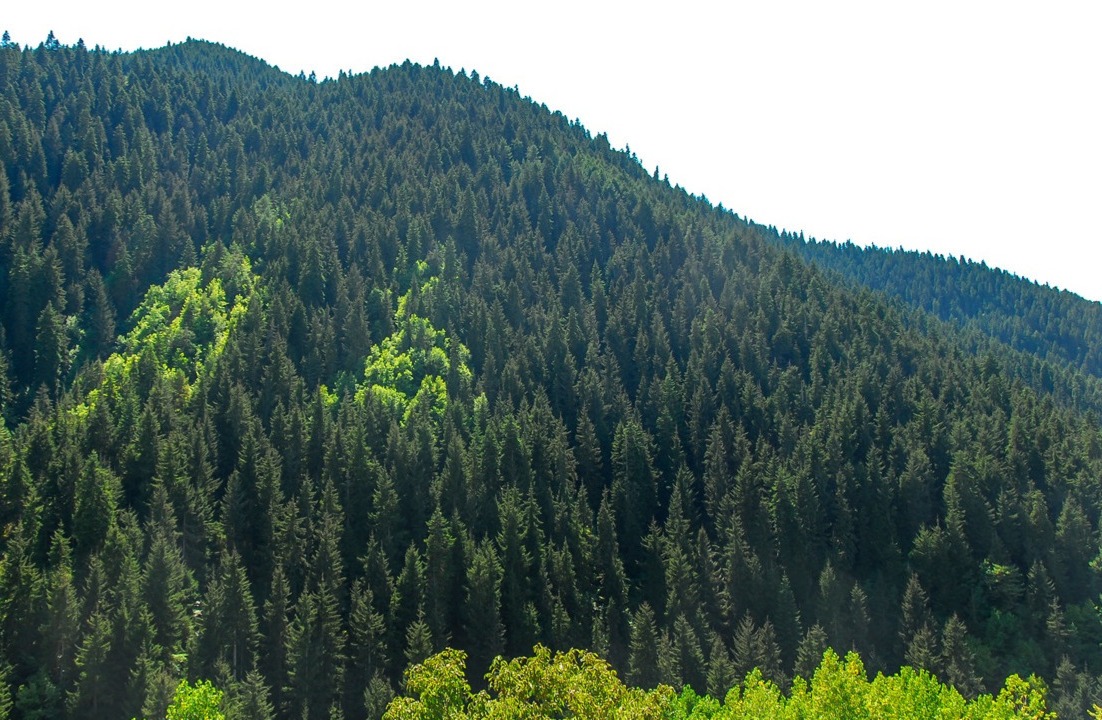

Lycian High Mountain Zone | Home of Cedar and Juniper Forests
The Lycian High Mountain Zone forms the forest boundary of the Taurus Mountains closest to the sky. From the 1,200 metre altitude where red pine and oak communities end, the air cools, humidity decreases and you encounter one of the world’s most noble trees the Lebanese Cedar (Cedrus libani). This zone is not merely a forest it is an ancient heritage that has adorned the palaces of kings, formed the hulls of ships and shaped the world of perfumery since ancient times.
The Lycian High Mountain Zone, which holds international importance as a biosphere reserve as of 2026, is a vital ecosystem that determines the region’s water retention capacity and serves as a refuge for endemic species. In this guide, we will examine in depth this unique flora stretching from the Cedar Research Forest of Elmalı to the steep slopes of the Akdağlar mountains.
📌 Contents
- Ecology Above the Clouds: High Mountain Zone Conditions
- King of the Forests: Taurus Cedar (Katran Tree)
- The Patient Sentinel of the Mountains: Juniper Species
- Historical Heritage: Cedar Trade in Ancient Times
- Çığlıkara and Kohu Mountain: In the Footsteps of Monument Trees
- High Altitude Observation and Ethical Rules
Ecology Above the Clouds: High Mountain Zone Conditions
The Lycian High Mountain Zone is shaped by the harsh conditions of a mountain climate, partially escaping the influence of the Mediterranean. Covered in a thick blanket of snow during winter, this zone is where plant growth slows down, but resilience increases.
The soil structure here consists mostly of limestone, and trees have survived for centuries by anchoring their roots deep into the rocks. The fauna diversity in this region is indispensable, especially for birds of prey. You can visit our “Lycian Birds” page for more detailed information.
The Monarch of Forests: Taurus Cedar (Katran Tree)
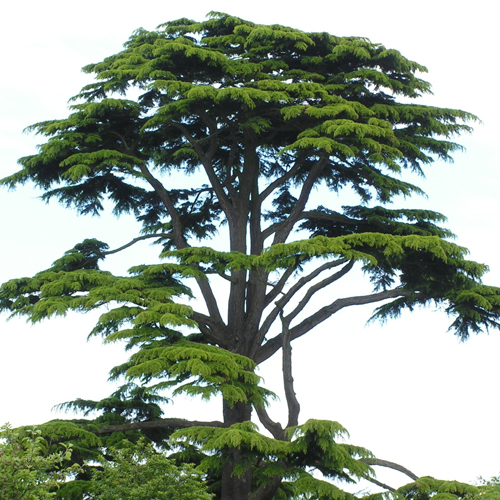
When you think of the Lycian High Mountain Zone, the first species that comes to mind is the Taurus Cedar. Locals call it the “Katran” (Tar) Tree, and it is the symbol of the region.
- Physical Characteristics: Easily distinguished from other conifers by its horizontal branches and pyramidal form. Cedar trees can reach heights of 40 meters and a trunk diameter of 2 meters.
- Longevity: There are “Monumental Trees” in the Lycian mountains that exceed 1,000 years of age. These trees are the living history of the Land of Light.
- Uses: Tar obtained from its resin has been used in medicine and wood preservation since ancient times. You can explore the indirect effects of cedar scent on culinary culture in our “Lycian Gastronomy” guide.
Patient Guardians of the Mountains: Juniper Species
Located just above the cedars or mixed with them, junipers are the most resilient members of the Lycian High Mountain Zone.
- Greek Juniper (Juniperus excelsa): Accompanies cedars with its upright and majestic structure.
- Stinking Juniper (Juniperus foetidissima): Spreads a sharp scent when its leaves are crushed and is resistant to the strongest winds at high altitudes.
- Symbiosis with the Juniper Thrush: For juniper seeds to germinate, they must pass through the digestive system of a Juniper Thrush. This miraculous cycle is critical for the continuity of the zone. For these interesting wildlife connections, check out our “Lycian Fauna” main page.
Historical Heritage: Cedar Trade in Antiquity
One of the cornerstones of the ancient Lycian economy was the export of cedar wood. Egyptian pharaohs used this durable wood from the high mountain forests of Lycia to build their palaces and ships. Even in the construction of Solomon’s Temple, Lycian cedars were reportedly used. This commercial heritage is the primary reason for the wealth of the ancient port cities in the region today. For historical city routes, check out our “Lycian Travel Guide” page.
In Pursuit of Monumental Trees: Çığlıkara and Mount Kohu
The Çığlıkara Nature Reserve, located within the borders of Elmalı, is the purest and best-preserved cedar forest in the world. Monumental trees named “Koca Katran” (Big Tar) and “Şah Ardıç” (King Juniper), with ages ranging from 1,000 to 2,000 years, are found here. These forests around Mount Kohu are the most pristine points of the Lycian High Mountain Zone and should only be visited with authorized guides.
High-Altitude Observation and Ethical Rules
It is the responsibility of every nature lover to protect the balance of the Lycian High Mountain Zone while visiting this sensitive ecosystem:
- Keep Quiet: Sound travels far at high altitudes and may disturb the nesting areas of rare bird species.
- No Fire: Cedar forests are extremely sensitive to fire due to their resinous structure. Lighting fires is strictly prohibited.
- Do Not Damage Saplings: It takes decades for a cedar sapling to reach human height. Please do not stray from the hiking trails. For our detailed ethical guide, be sure to read our “Sustainable Travel and Ethics” page.
📚 Scientific Sources and Ecosystem Tracking
You can find detailed data on the protection status of Lycian High Mountain Zone forests, tree-aging techniques, and current conservation projects via the OGM (General Directorate of Forestry) Cedar Research Institute and the UNESCO World Heritage Tentative List. These sources provide scientific evidence for why the region should be accepted as a “World Heritage” site.
❓ Frequently Asked Questions
What is the best time to see the plants of the Lycian High Mountain Zone?
May and June are the best months when the snow melts and nature awakens. However, it is suitable in all seasons to see the majesty of the monumental trees; in winter, the cedars under the snow offer a magnificent view.
Is transportation to Cedar and Juniper forests easy?
Transportation is possible via high plateau roads from Elmalı and Kaş, but the roads are winding and steep. 4×4 vehicles or professional tours are recommended.
Is it forbidden to collect seeds or branches from this area?
Yes, a large part of the region has the status of a “Nature Reserve.” Collecting any plant parts is subject to legal sanctions.