

Lycian Birds | The Free Wings of the Sky
Lycian birds represent the most vibrant and colorful piece of the Land of Light’s biodiversity mosaic. With both resident species and seasonal migrants, the Lycia region is a world-class paradise for ornithology. While the steep cliffs of the Taurus Mountains, soaring over 2,000 meters, host giant raptors like eagles and vultures, wetlands such as Patara, Demre, and Köyceğiz serve as crucial breeding and resting grounds for waterbirds.
In this guide, we will explore the year-round avian life in Lycia situated on one of the primary migration routes between Europe and Africa as well as its rare species and ways to protect this immense diversity.
📌 Contents
- The Highway of the Skies: Lycian Migration Routes
- Giants of the Taurus: Raptors
- Elegant Residents of the Wetlands
- Endemic and Rare Species: Krüper’s Nuthatch
- Birdwatching Spots and Photography
- Ethical Birdwatching Principles
Highway of the Skies: Lycian Migration Routes
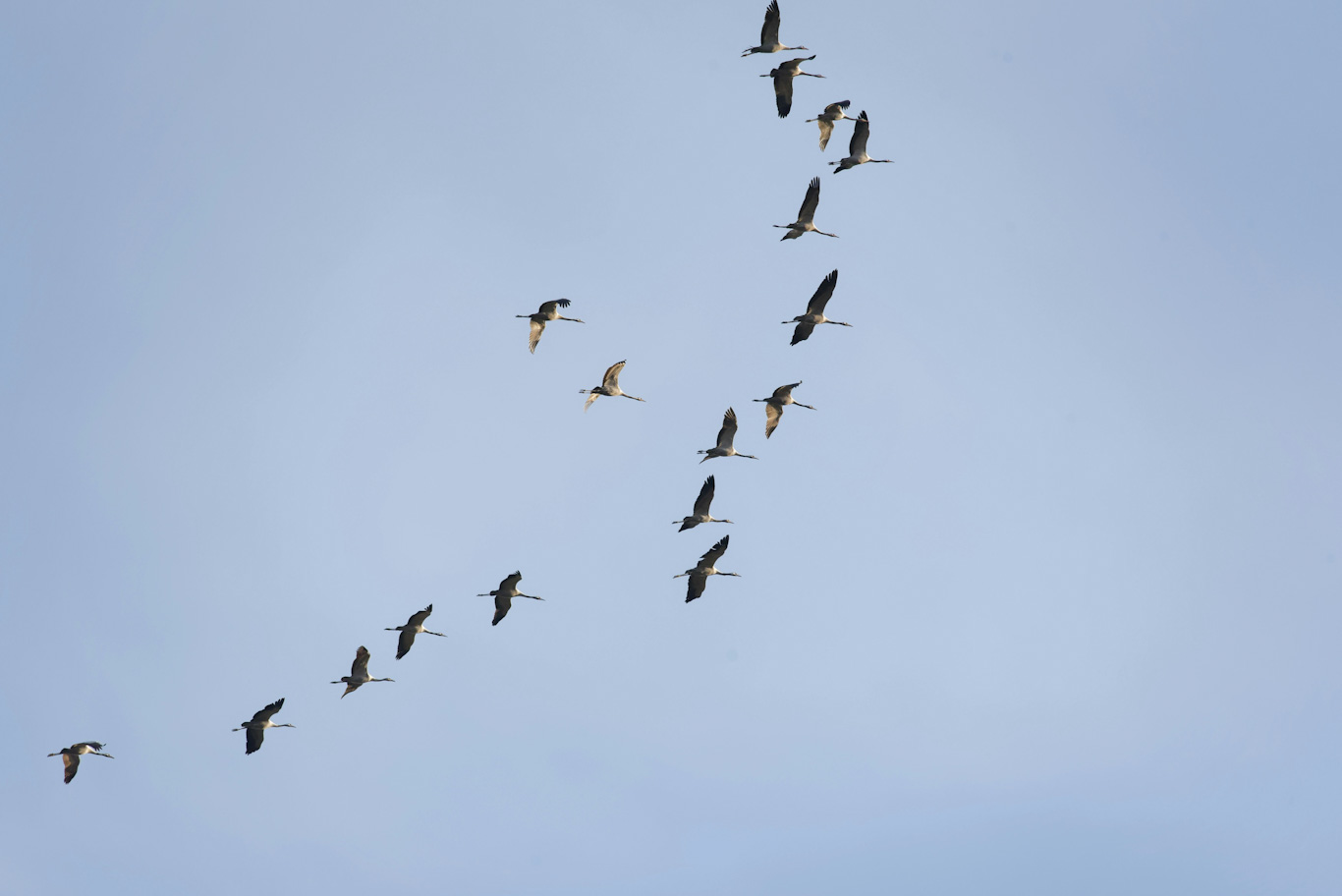
The primary reason for the diversity of birds in Lycia is its location at the heart of intercontinental migration routes. Every year during the spring and autumn, millions of birds use the Lycian coast as a stopover point or a bridge to cross the Mediterranean.
- Spring Migration: In March and April, flocks of storks, bee-eaters, and swallows returning from Africa fill the sky.
- Autumn Migration: In September and October, raptors gliding from north to south cross the Lycian mountains by using thermal air currents. The visual spectacle in the sky during this period is one of the highlights of our Lycian Nature Calendar pages.
Giants of the Taurus: Raptors
The rugged mountainous terrain of Lycia provides the perfect habitat for the top predators of the food chain.
- Bearded Vulture (Gypaetus barbatus): This legendary and endangered species can still be spotted on the high peaks of Lycia.
- Golden Eagle: With its majestic wingspan, it is the true ruler of the region.
- Egyptian Vulture: This migratory raptor, which visits the region during the summer months, is frequently observed on the cliffs surrounding ancient cities.
The conservation of these species is part of global projects carried out by organizations such as BirdLife International.
Elegant Residents of the Wetlands
Coastal Lycia is abundant with lagoons and deltas that are vital for waterbirds. These areas host the densest populations of Lycian birds.
- Demre Bird Sanctuary: One of Lycia’s most important stopover points. Flamingos, herons, and the endangered White-headed Duck can be observed here.
- Patara Lagoon: A safe haven for waterbirds thanks to its historical texture and reed beds. It hosts thousands of ducks and shorebirds, especially in the winter.
For more details on these protected areas, check out our “Lycian Nature Conservation and National Parks Guide.”
Endemic and Rare Species: Krüper’s Nuthatch
Lycian forests serve as a sanctuary for species unique to this region or endemic to Anatolia.
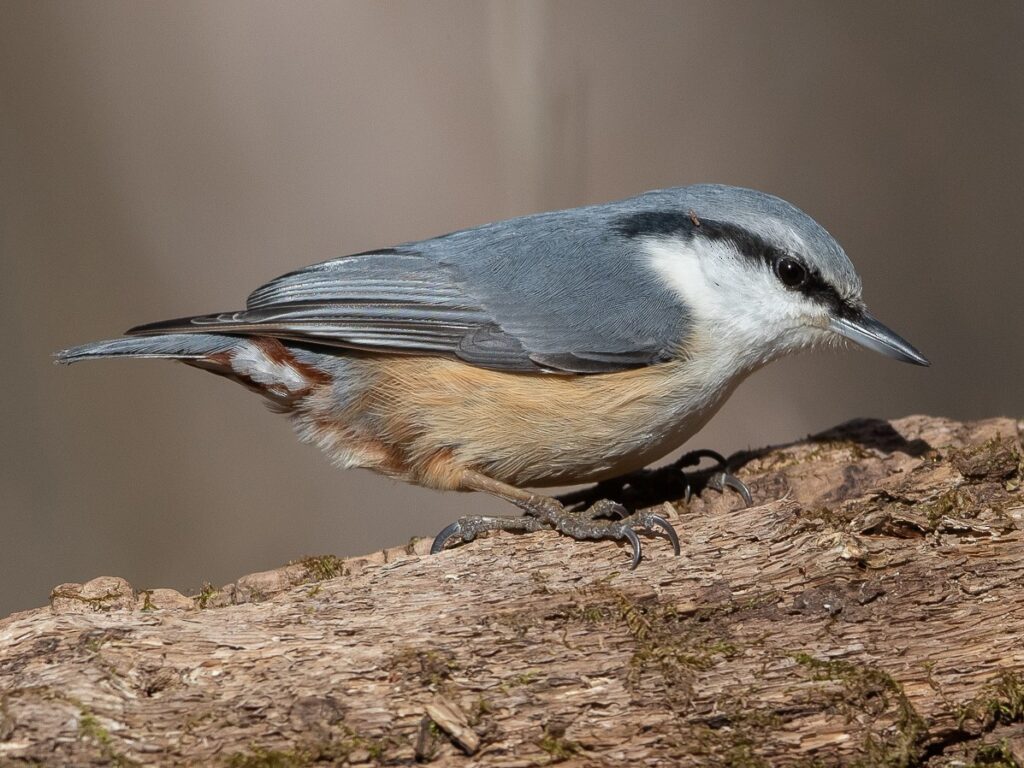
- Krüper’s Nuthatch: Especially fond of red pine forests, this small but active bird is one of the “target species” for birdwatchers in the region.
- Eleonora’s Falcon: Nesting exclusively on steep sea cliffs and islands, this rare raptor is one of the most valuable components of Lycia’s coastal ecosystem.
Birdwatching Spots and Photography
If you are planning a professional Lycian birdwatching tour, you must include these spots in your route:
- Dalaman River Delta: Bird diversity is at its peak here, thanks to its extensive reed beds and aquatic plants.
- Kaş-Kalkan Cliffs: Ideal for observing Eleonora’s falcons and various seabirds.
- Elmalı Cedar Forests: The best spot for mountain birds and the Krüper’s Nuthatch.
When photographing birds, your patience is just as important as your equipment. Using telephoto lenses to photograph birds without disturbing them and capturing their natural behavior should be the priority.
You can check out our “Lycian Photography Routes” page for detailed location directions.
Ethical Birdwatching Principles
While birdwatching is a passion, our priority is not to interfere with their habitats. Let us adhere to these principles to protect Lycian birds:
- Keep Away from Nests: Especially during the breeding season, do not reveal nesting sites or approach them too closely.
- Do Not Use Playbacks: Using artificial audio recordings to call birds causes them to expend unnecessary energy and experience stress.
- Protect the Habitat: Leaving no trash behind and avoiding damage to vegetation is essential for the future of the birds. For a sustainable future, please remember our “Sustainable Travel and Ethics Guide” criteria on every trip.
❓ Frequently Asked Questions
Where is the best place to see flamingos in Lycia?
During the winter and spring months, the Demre Bird Sanctuary (Beymelek Lagoon) is the most popular stop for flamingos.
What are the best times for birdwatching?
The hours when birds are most active are those close to sunrise and sunset. However, it is easier to spot raptors gliding during the midday hours when thermal currents form.