Category Genel

Kandyba Ancient City

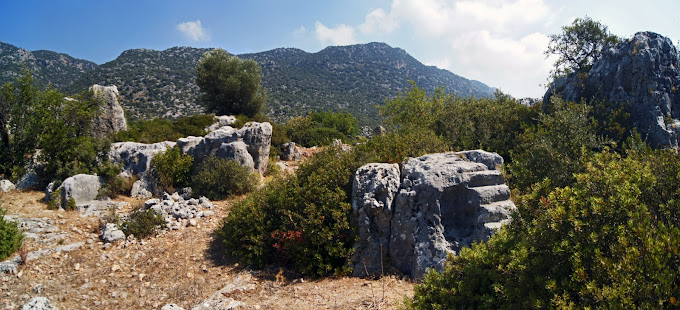
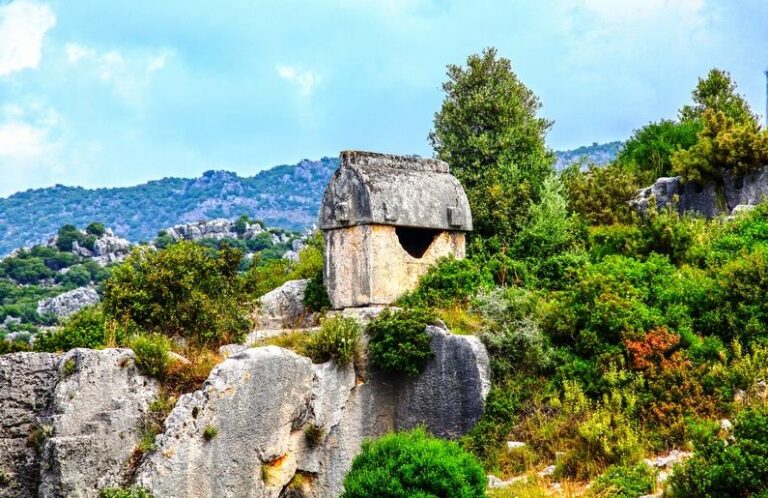
Kandyba: a mysterious Lycian site where ancient history falls silent and the label "Consort of the Mother Goddess" originates. The story of this mystical cult center—located in Gendeve Village, near Kaş—and its evocative, weathered ruins is told in *Lykia'nın Sesi* (Voice of Lycia).

The Lycian Way – Ersin Demirel

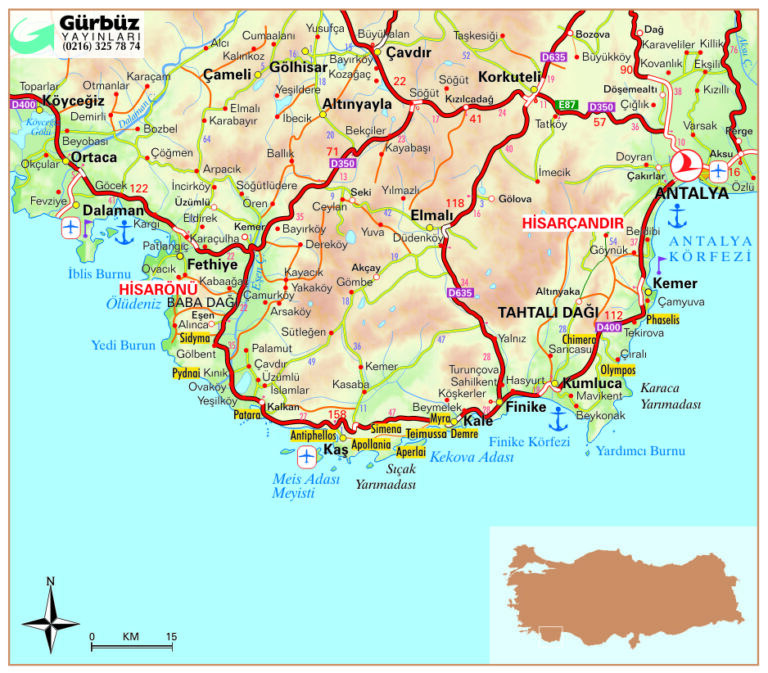
Map of the Lycian Way

The Lycian Way, from the pen of expert nature explorer Ersin Demirel, is a fascinating adventure that promises to escape the monotony of metropolitan life and become free in the embrace of nature and history. This ancient route stretching from Fethiye, Muğla to Sarısu, Antalya is a noble journey of discovery extending from the skirts of Babadağ to the turquoise view of Ölüdeniz, from ancient cities dedicated to freedom like Sidyma and Xanthos to the engineering marvel of Delikkemer, from the underwater sarcophagi of Aperlai to the enchanting sunset of Gelidonya Lighthouse, and finally to the centuries-old cedar forests of the 2,366-meter Mount Tahtalı.

The Lycian Way – Kate Clow

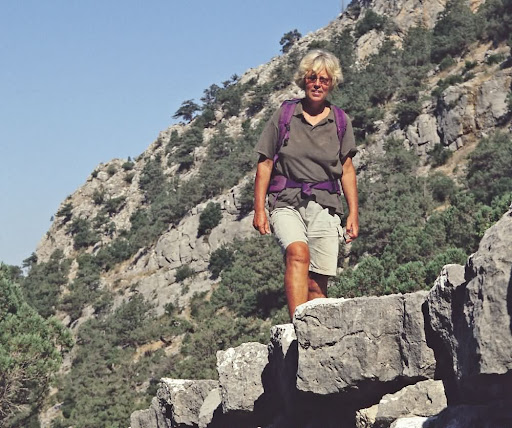
likya yolu'nun kaşifi kate clow

The Lycian Way is Turkey's first long-distance hiking route, spanning 650 kilometers between Fethiye and Antalya, discovered and marked by Kate Clow in 1999 to enrich global cultural heritage. Ranked among the top 10 walking trails in the world, this path is a unique cultural corridor where history and nature intertwine, leading from rugged mountain paths down to pristine Mediterranean bays, linking more than 20 ancient cities, the UNESCO heritage sites of Xanthos and Letoon, the monumental Delikkemer aqueduct, and the centuries-old cedar forests of Mount Tahtalı.

Trysa Ancient City

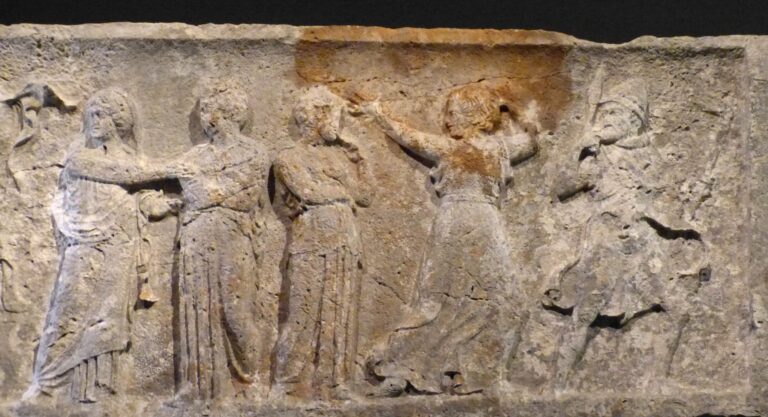
Avusturya'ya ya kaçırılan trysa antik kenti kabartmalarından bir örnek.

Located on a steep hill near the Gölbaşı Neighborhood of Davazlar Village between the Kaş and Demre districts of Antalya, Trysa Ancient City is one of the most sensational and mysterious settlements of the Lycian civilization in terms of art history. Hosting the famous "Trysa Heroon," whose interior and exterior walls were adorned with mythological reliefs before being transported to the Kunsthistorisches Museum in Vienna by Austrian archaeologists in the 19th century, this fortress town stands as a melancholic and noble exploration route featuring 5th-century B.C. cyclopean walls, unique sarcophagi, and sweeping valley views.

Tyberissos Ancient City

The ruins of the Temple of Apollo of Tyberissos Ancient City and the landscape of Çevreli.

Located near the Çevreli town in the Demre district of Antalya, rising just north of the Teimiussa harbor, Tyberissos Ancient City (Tubure) is one of the most strategic fortress settlements of Lycia hidden away on mountain summits. Possessing an ancient indigenous identity recorded on the Xanthos Inscribed Pillar, this city stands as a wild and noble historical route far from mass tourism, featuring adjacent traditional Lycian and Doric Apollo temples, a central agora, Roman-era defensive walls, and a magnificent 360-degree view of the Kekova bays.

Teimiussa Ancient City

teimiussa üçağız ancient city

Located between the Demre and Kaş districts of Antalya, seamlessly intertwined with Üçağız Village, Teimiussa Ancient City is one of the most pristine and mystical natural harbor settlements of the Lycian civilization. Serving as the gateway to the sea for the four-city federation led by Aperlai, this boutique port town stands as one of the most dignified historical stops in the Kekova region, featuring hundreds of monumental Roman-era sarcophagi lined up like an army along the shore, a massive 2,400-year-old rock-cut pier, and a living village fabric.

Sidyma Ancient City

The Roman stoa of Sidyma Ancient City and Dodurga village houses, Seydikemer.

Antalya ile Muğla sınırındaki Seydikemer ilçesinde, Dodurga Köyü ile tamamen iç içe geçmiş olan Sidyma Antik Kenti, Likya medeniyetinin yaşayan tarih niteliğindeki en özgün yerleşimlerinden biridir. Bizans İmparatoru Marcian'ın hükümdarlığını müjdeleyen meşhur kartal kehanetine ev sahipliği yapan kent; köy evlerinin bahçelerini süsleyen anıtsal ev tipi lahitleri, İmparator Claudius dönemine ait stoası, Artemis tapınağı ve sarp akropolüyle Likya Yolu'nun en yeşil ve en mistik duraklarındandır.

Sura Ancient City

Sura Ancient City, the Apollo oracle center, and the giant Lycian sarcophagus, Demre.

Located in the fertile valley right behind Andriake Harbor in the Demre district of Antalya, Sura Ancient City is one of the most extraordinary cult centers of antiquity. Hosting the Temple of Apollo and the oracle pool where the globally unique "fish oracle" ritual was performed, the city stands as the sacred and mystical oracle gate of Myra, featuring a watchtower on its acropolis, one of the largest monumental sarcophagi in the Lycian geography, and rich Byzantine heritage.

Rhodiapolis Ancient City

Rhodiapolis Ancient City, the Opramoas Monument, the theater, and rock-cut tombs with Lycian inscriptions, Kumluca.

Situated in the Kumluca district of Antalya, Rhodiapolis Ancient City is an ancient center established by Rhodian colonists that beautifully mirrors the highest spirit of social solidarity in antiquity. Serving as the homeland of Opramoas—the wealthiest benefactor in Lycian history—the city functions as a literal "diplomatic archive" with its monumental Opramoas Tomb, which is accepted as the longest official inscription of the ancient world. Commanding a sweeping view of the Kumluca Plain, its theater, uniquely inscribed Lycian rock-cut tombs, and structural cisterns form a magnificent exploration route for history enthusiasts.

Pydnai Ancient City

Patara plajının batı ucunda yükselen Pydnai Antik Kenti’nin kale surları ve deniz manzarası.

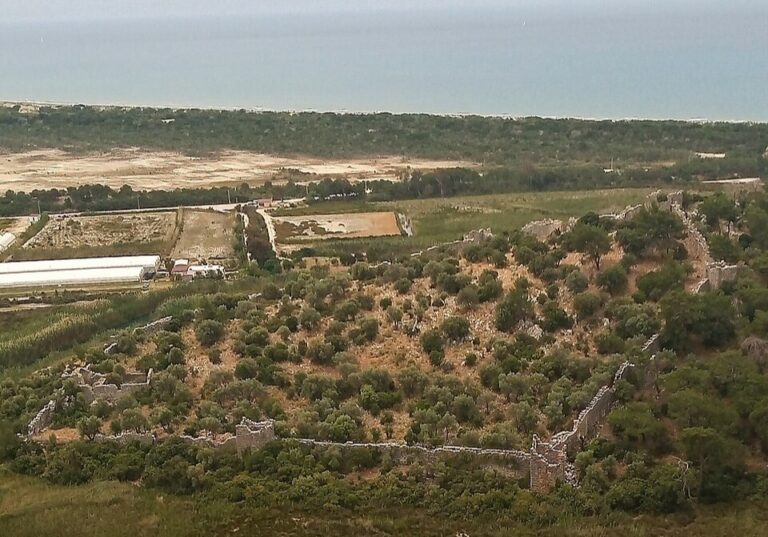
Located in the Seydikemer district of Muğla, right at the westernmost tip of Patara beach on the hill where the Özlen Stream meets the sea, Pydnai Ancient City is one of the most intact surviving military outposts of the Lycian civilization. Functioning as a garrison to protect the Xanthos Valley and the capital Patara against pirate raids from the sea, the settlement stands as a pristine defensive heritage discovered by Lycian Way hikers, featuring magnificent fortress walls blending rectangular and polygonal techniques, bastions, and scattered Lycian sarcophagi.