

Lycian Mammals: Wildlife from the Anatolian Leopard to Mountain Goats
Lycian Mammals are the biological heart of this ancient geography, home to the most rugged and pristine ecosystems of the Western Mediterranean. The Lycian geography holds unique richness in terms of mammal diversity, being one of Turkey’s most strategic wildlife corridors. Habitats stretching from the limestone summits of the Taurus Mountains approaching 3,000 metres to the dense maquis cover of the coastline embrace a wide spectrum from large predators to agile herbivores, from nocturnal hunters to the mysterious inhabitants of caves.
In this guide, we will examine in detail the 10 most important mammal species representing Lycia’s “wild” spirit, their vital roles in the ecosystem and methods for protecting these rare creatures.
📌 Contents
Lycian Mammals: The Return of the Legend Anatolian Leopard (Panthera pardus tulliana)
The greatest legend that comes to mind when speaking of Lycian Mammals is undoubtedly the Anatolian Leopard. The recent capture of this magnificent predator thought to have been extinct for decades on camera traps in the Western Taurus mountains has elevated the region’s biological value to a worldwide level.
- Ecological Role: As the apex predator at the top of the food chain, the leopard maintains the balance of the ecosystem.
- Conservation Status: Critically endangered. The presence of the leopard is the greatest proof of how healthy the wildlife corridors in Lycia are. For scientific studies and current data, follow the General Directorate of Nature Conservation and National Parks.
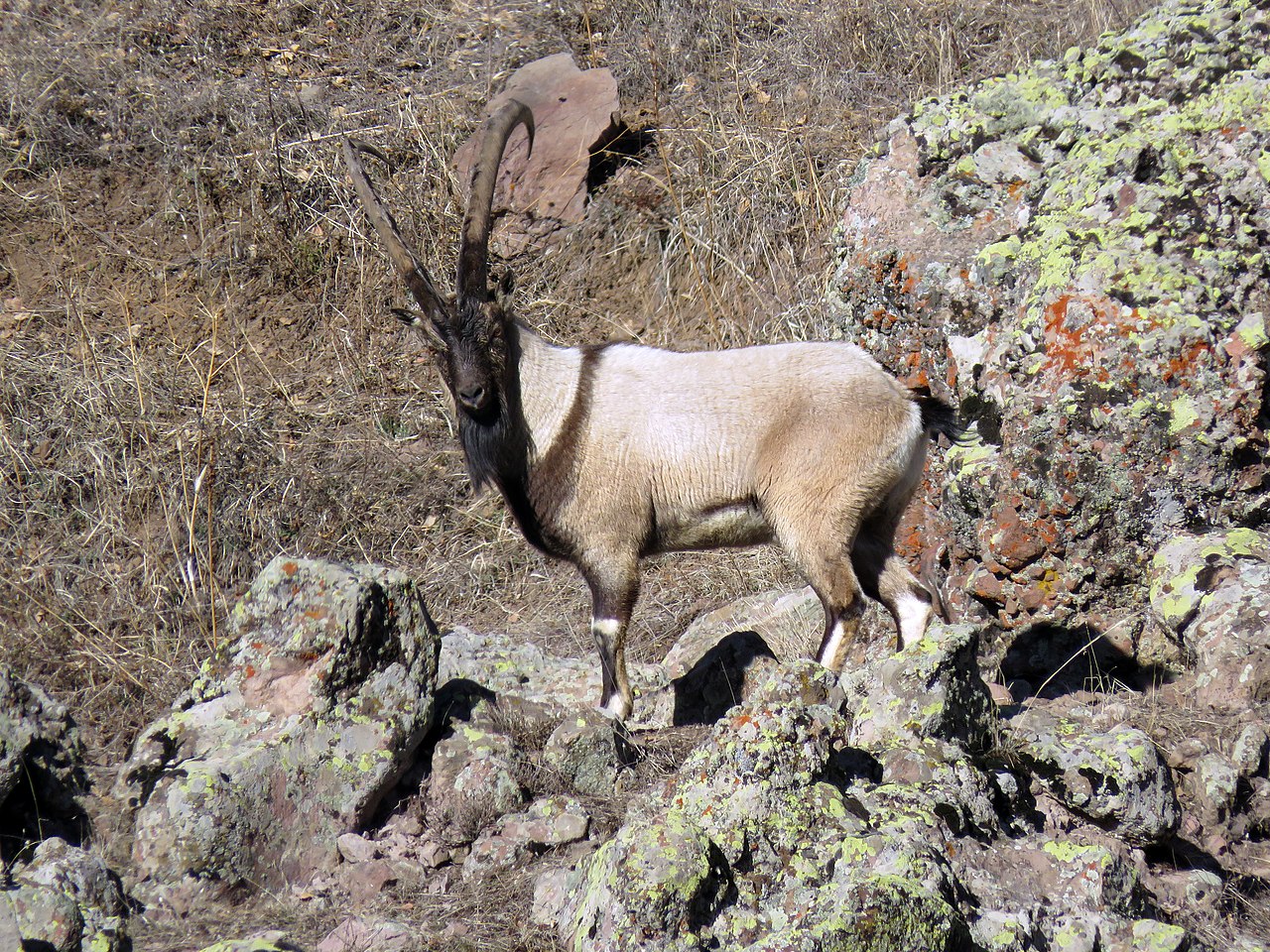
Masters of the Steep Rocks: Bezoar Wild Goat (Capra aegagrus)
The most frequently encountered iconic creature of the region for Lycian Way hikers is the Wild Goat (Capra aegagrus). These agile mammals seemingly defy gravity on impossibly steep cliffs and limestone rocks.
- Where to See Them: They can be observed particularly around the steep rocks of Kaş, Kalkan and Geyikbayırı near sunrise and sunset.
- Significance: Recognised as the biological ancestor of all domestic goats worldwide, the Bezoar Wild Goat maintains one of its healthiest and purest populations in the Western Taurus mountains the heart of Lycia. From Lycian sarcophagi and ancient cities to coins on museum shelves and rock reliefs, the famous magnificent horned figures you encounter are inspired by this goat. They are not merely wild animals they are the living archaeological heritage of the Land of Light.
Power in the Forest Depths: Brown Bear and Wolf
The high-altitude cedar and pine forests of the Taurus mountains are home to the most powerful predators within Lycian Mammals.
- Brown Bear: Generally lives on high plateaus far from human settlements. Before hibernation, they build up energy reserves by feeding on acorns and fruits. See our Lycian Nature Calendar page for detailed movement information.
- Wolf: Wolves living in packs balance the wild boar population, indirectly contributing to the protection of agricultural areas. They play a “balancing” role in Lycia’s wild nature.
Night Sentinels: Lycia’s Mysterious Bats
Lycia’s countless caves and ancient ruins form perfect habitats for bats. These creatures are the greatest natural allies of regional farmers in the fight against agricultural pests.
- Biodiversity: Many species live in the region including the Horseshoe Bat and the Long-winged Bat. A single bat consumes thousands of insects per night, cleaning the ecosystem.
- Sensitivity: When engaging in cave tourism, it is vital not to disturb these creatures during their hibernation and breeding periods. See our Lycian Nature Conservation and National Parks Guide page for conservation measures.
From Coast to Mountains: Otter and Caracal
Lycia is not only about mountains wetlands and maquis cover also harbour rare mammals.
- Eurasian Otter (Lutra lutra): Otters, indicators of clean water sources and deltas, quietly continue their lives in the lagoons around the Dalaman River.
- Caracal: Known as the “ghost of the Mediterranean”, this rare wild cat hunts in Lycia’s dense maquis cover. Spotting one is a moment a nature observer will never forget for the rest of their life. You can find our marine mammal friends on our Lycian Marine Creatures page.
Wildlife Observation Ethics and Safety
When exploring the world of Lycian Mammals, we must protect both our own safety and their peace.
- Keep Your Distance: Mammals with young can become aggressive when they feel threatened. Observing from a distance using professional binoculars is the safest method.
- Do Not Feed: Feeding wild boar or foxes dulls their hunting instincts and makes them dependent on humans, leading to accidents.
- Silence: Listening to loud music or shouting in nature increases the stress levels of mammals and causes them to leave the area. Be sure to read our Sustainable Travel and Ethics Guide for all ethical rules.
❓ Frequently Asked Questions
Is there a risk of encountering a bear or wolf while hiking in Lycia?
These species prefer to stay away from humans. Walking in groups and making occasional noise (such as talking) warns them in advance and causes them to move away.
What are our chances of seeing the Anatolian Leopard?
The leopard is one of nature’s most secretive living creatures. Visual contact is almost impossible; however, its presence in the Western Taurus mountains has been scientifically confirmed.