Akalissos Ancient City
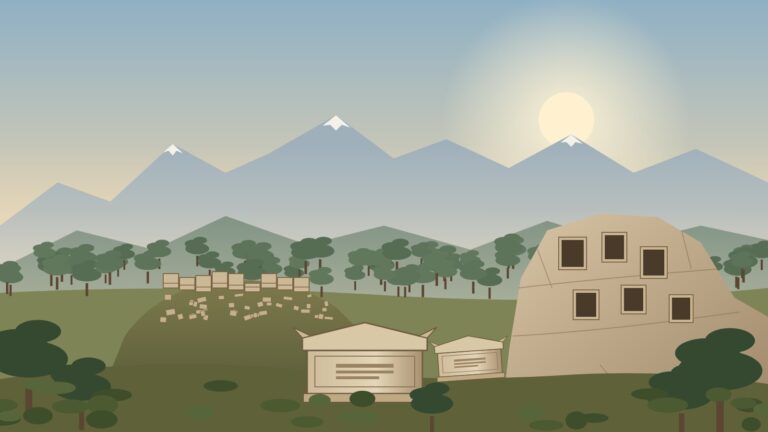
Akalissos, north of Kumluca, formed a union of cities with its neighbours Idebessos and Kormos and stood at its head. The city minted its own coins and was a bishopric in the Eastern Roman (Byzantine) period.

The Story of the Land of Light
The Story of the Land of Light

Akalissos, north of Kumluca, formed a union of cities with its neighbours Idebessos and Kormos and stood at its head. The city minted its own coins and was a bishopric in the Eastern Roman (Byzantine) period.
Who were the Lycians, and where did they come from? From the Lukka lands of Hittite records to the Anatolian roots of the Lycian language and gods, we look at the evidence for Lycia’s Anatolian origins.
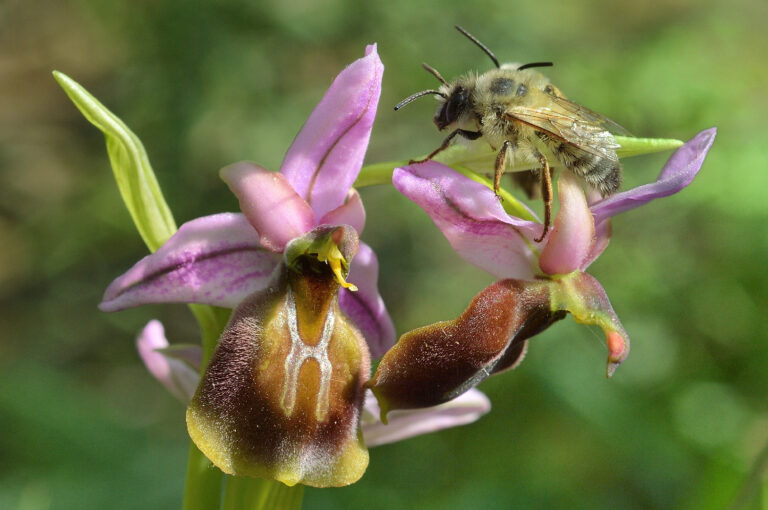
The Kaş Orchid grows only around Kaş, is pollinated by imitating a bee, and is thought to number fewer than 200 plants in the wild. Its story, the threats it faces and the work under way to save it.
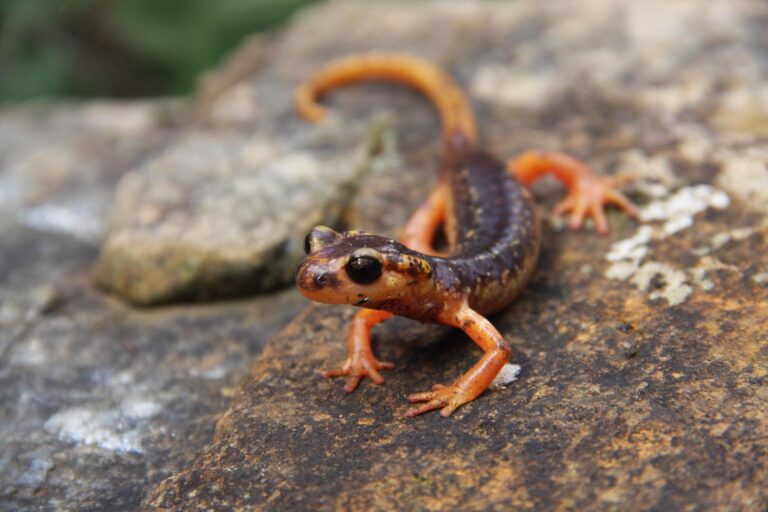
The Lycian Salamander lives only in the limestone mountains of Lycia and gives birth to live young. The story of a creature first found among the ruins of an ancient city, its species and the threats it faces.
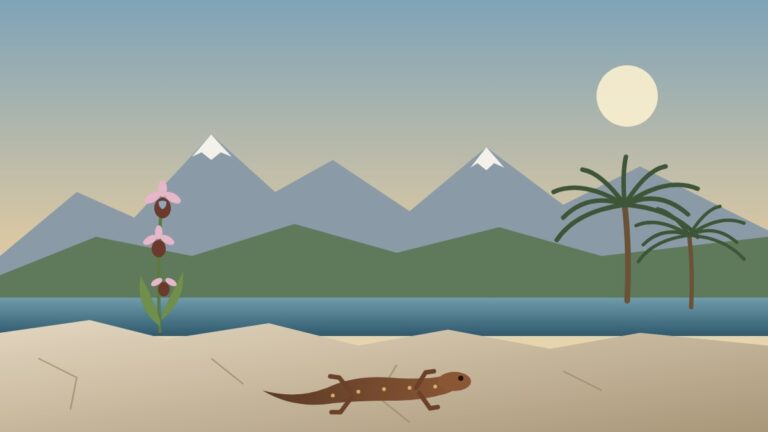
Endemic and Rare Species of Lycia: the salamanders found only in this region, the Kaş orchid and Antalya’s endemic orchids, the plants of the Bey Mountains and the Cretan date palm. What threatens them, and how can we protect them?
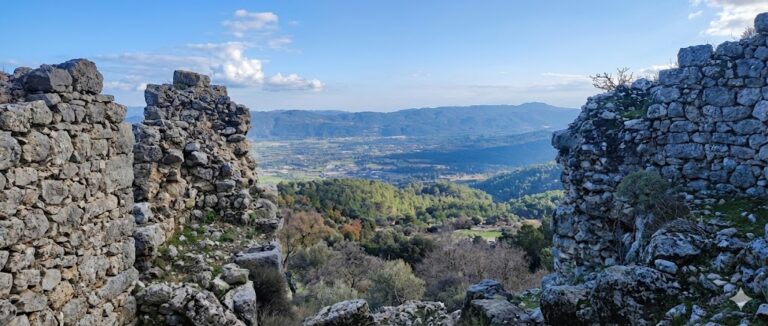
Kandyba: a mysterious Lycian site where ancient history falls silent and the label "Consort of the Mother Goddess" originates. The story of this mystical cult center—located in Gendeve Village, near Kaş—and its evocative, weathered ruins is told in *Lykia'nın Sesi* (Voice of Lycia).
The 3,000-year-old ancient heritage of Lycia echoes once again through the power of art and environmental awareness. The Lycia Art Movement sets out to carry the memory of the past into the future, protect nature, and build a sustainable future in the 'Land of Light.' Become a part of this collective awakening.
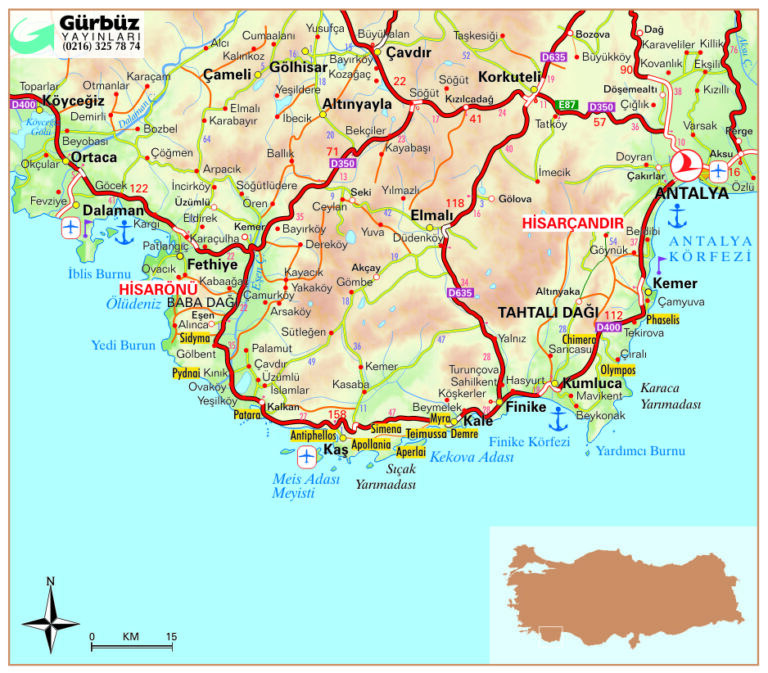
The Lycian Way, from the pen of expert nature explorer Ersin Demirel, is a fascinating adventure that promises to escape the monotony of metropolitan life and become free in the embrace of nature and history. This ancient route stretching from Fethiye, Muğla to Sarısu, Antalya is a noble journey of discovery extending from the skirts of Babadağ to the turquoise view of Ölüdeniz, from ancient cities dedicated to freedom like Sidyma and Xanthos to the engineering marvel of Delikkemer, from the underwater sarcophagi of Aperlai to the enchanting sunset of Gelidonya Lighthouse, and finally to the centuries-old cedar forests of the 2,366-meter Mount Tahtalı.
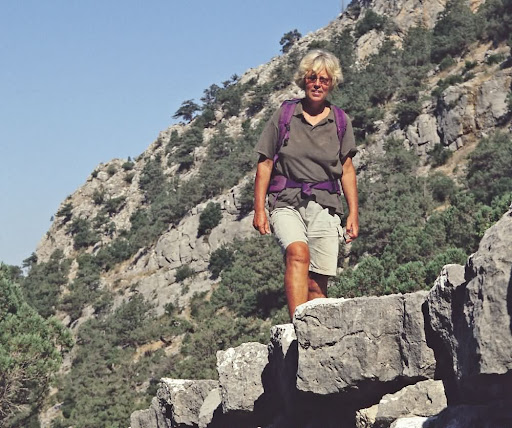
The Lycian Way is Turkey's first long-distance hiking route, spanning 650 kilometers between Fethiye and Antalya, discovered and marked by Kate Clow in 1999 to enrich global cultural heritage. Ranked among the top 10 walking trails in the world, this path is a unique cultural corridor where history and nature intertwine, leading from rugged mountain paths down to pristine Mediterranean bays, linking more than 20 ancient cities, the UNESCO heritage sites of Xanthos and Letoon, the monumental Delikkemer aqueduct, and the centuries-old cedar forests of Mount Tahtalı.
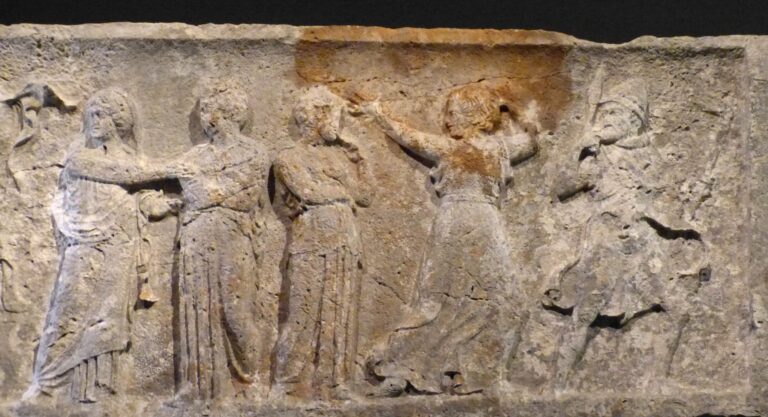
Located on a steep hill near the Gölbaşı Neighborhood of Davazlar Village between the Kaş and Demre districts of Antalya, Trysa Ancient City is one of the most sensational and mysterious settlements of the Lycian civilization in terms of art history. Hosting the famous "Trysa Heroon," whose interior and exterior walls were adorned with mythological reliefs before being transported to the Kunsthistorisches Museum in Vienna by Austrian archaeologists in the 19th century, this fortress town stands as a melancholic and noble exploration route featuring 5th-century B.C. cyclopean walls, unique sarcophagi, and sweeping valley views.