erkan

erkan

Kyaneai Ancient City
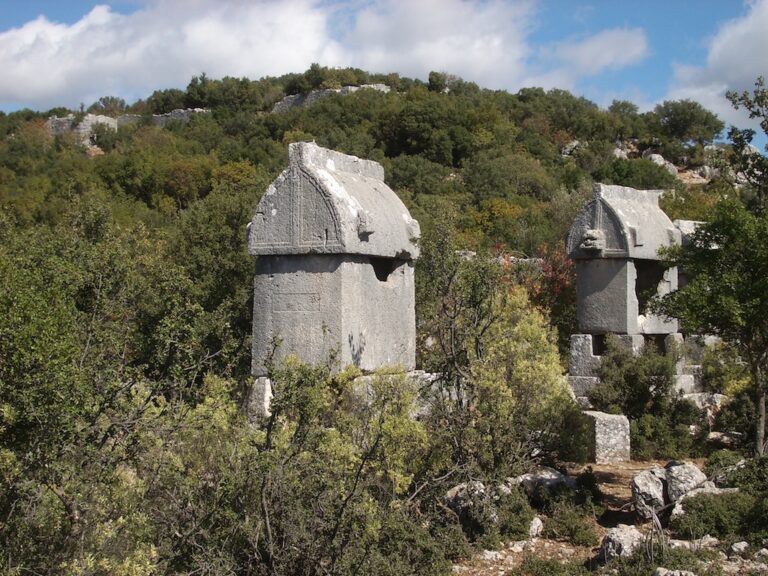
Kyaneai Ancient City and its monumental sarcophagi, Yavu Demre.

Rising upon the rugged cliffs of the Yavu plateau in the Demre district of Antalya, Kyaneai Ancient City hosts the largest "sea of sarcophagi" in the Lycian geography with more than 300 monumental tombs. Deriving its name from the word for "Deep Blue" and having grown wealthy enough in antiquity to provide financial aid to neighboring cities, the site stands as one of the most prestigious mountain settlements of the Land of Light, featuring the generosity inscriptions of League President (Lyciarch) Jason, a hillside theater, a library, and massive rock cisterns.
Korydalla Ancient City

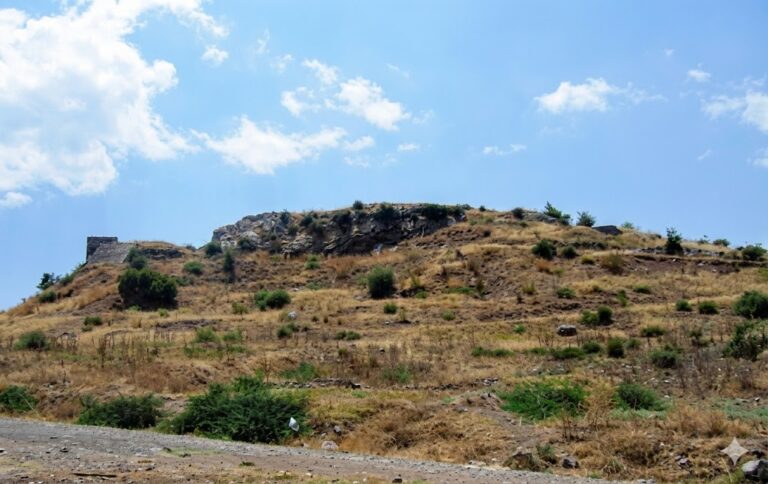
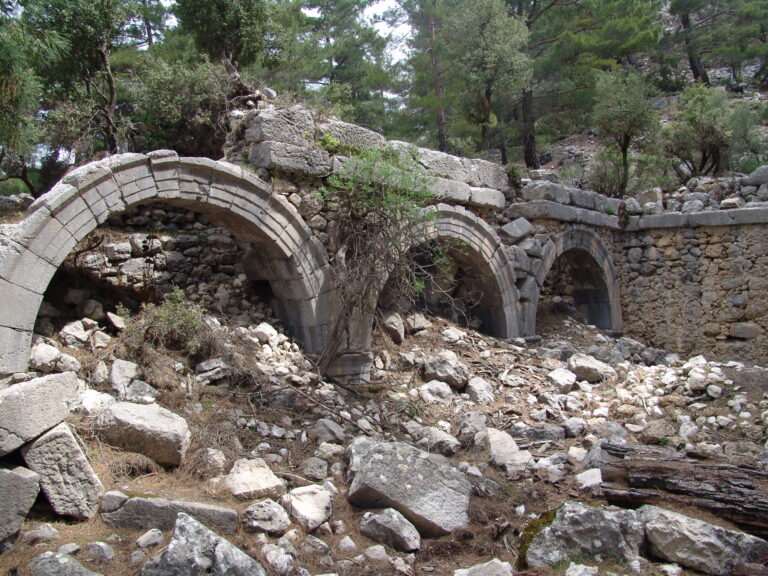
Remains of the Ancient City of Korydalla at Büyük Asar Hill

Located in the Kumluca district of Antalya, Korydalla Ancient City is one of the most vital logistical crossroads of the ancient period, documented by its position on the Patara Road Monument. Sharing a common political fate with Rhodiapolis and writing its name into history with the spy Korydallas who guided the Persian armies, the city symbolizes the wealthy past of eastern Lycia with its world-famous Byzantine "Sion Treasure" (Kumluca Hoard) unearthed in 1963, rock tombs on the Asar hills, and fortifications interwoven with modern agricultural greenhouses.

Kitanaura Ancient City

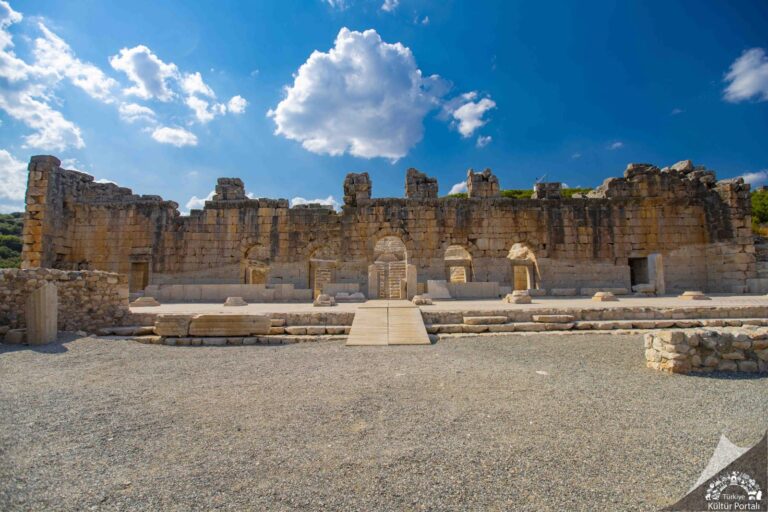
The ruins of the ancient city of Kitanaura in Kumluca

Hidden among the high peaks of the Beydağları in the Kumluca district of Antalya, Kitanaura Ancient City is a strategic fortress-city reflecting the military and logistical ingenuity of antiquity. Conclusively identified thanks to the Patara Road Monument (Stadiasmus Patarensis) and forming the most critical frontier border of Termessos, the settlement stands as one of the most magnificent guardians of the mountainous Lycia-Pisidia transition zone with its massive fortifications built progressively during the Hellenistic, Roman, and Byzantine eras, its agora, monumental public buildings, and rock niches bearing traces of the ancestor cult.

Kibyra Ancient City

The ancient city of Kibyra, Gölhisar, Burdur

Located in the Gölhisar district of Burdur, Kibyra Ancient City is one of the most warrior-like and economically powerful metropolises of the ancient period, with its title "City of Gladiators" and an industry based on metallurgy, leatherworking, and horse breeding. With its magnificent Opus Sectile Medusa mosaic—the only one of its kind in the world—its Odeon standing as one of the most intact parliament buildings in Anatolia, its 12,000-capacity stadium, and its leadership of the Tetrapolis, it is a unique cultural treasure inscribed on the UNESCO World Heritage Tentative List.

Karmylassos Ancient City

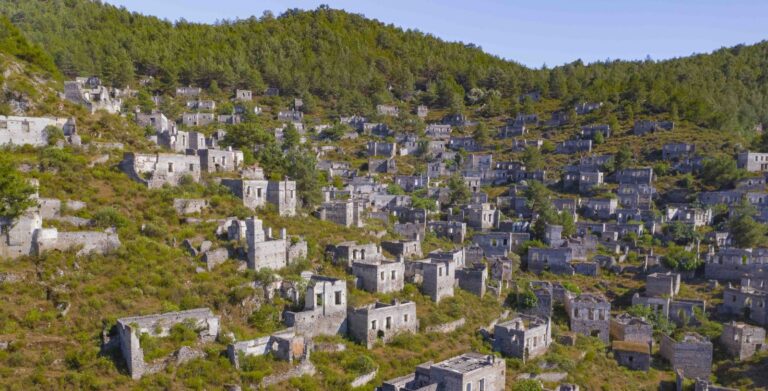
kayakoy oren yeri genel gorunum

The Karmylassos Ancient City, upon which Kayaköy (known as the "Ghost Village" in Fethiye) rises, is a multi-layered and melancholic cultural heritage extending from ancient roots to recent history. With its 500 stone houses built in an order that does not block each other's light, the Taksiyarhis Church famous for its black-and-white floor mosaics, and the Livissi fabric bearing the traces of the 1923 population exchange, it is one of the most impressive time-defying settlements of the Land of Light, Lycia.

Kadyanda Ancient City

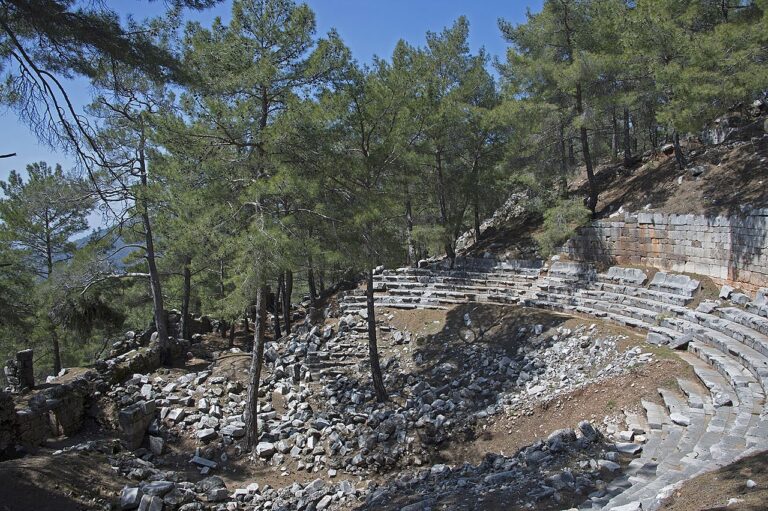
The theater of Kadyanda Ancient City and pine forests, Fethiye.

Located at an altitude of 915 meters on the ridges of Fethiye’s Üzümlü Town, Kadyanda Ancient City (Kadawanti) is a magnificent Lycian mountain fortress standing out with its sports culture and military ingenuity. With its unique stadium that continues to host festival races today, its famous "Rider Tomb" (Hector Relief) hidden among the pines, massive retaining terraces, and panoramic views commanding the Gulf of Fethiye, it is one of the most original living heritages of the Land of Light.

Istlada Ancient City

Image of the necropolis of Istlada Ancient City.

Rising on a hill overlooking the deep blue Gökkaya Bay between Kaş and Demre, Istlada Ancient City is a boutique Lycian settlement where nature and history integrate. Monitoring ancient mariners and port trade, this fortress-city reflects the aesthetic and military ingenuity of western Lycia with its grand tomb structure known as the "Hoyran Monument," rock tombs famous for their rooster and pigeon reliefs, and smart water channels carved into the rocks.

Isinda Ancient City

Isinda Ancient City, Belenli Village

Rising on a strategic hill on the ridges of Kaş’s Belenli Village, Isinda Ancient City is a historical gem reflecting the boutique principality centers and local administrative structures of Lycia. Included in the political union (Sympoliteia) led by Aperlai, the city offers the mountainous Lycian fabric in its purest form with its famous house-type tombs featuring Lycian inscriptions that replicate ancient wooden civil architecture in stone, its limestone fortifications, cisterns, and the story of its population's migration to Antiphellos (Kaş) over time.

Idebessos Ancient City

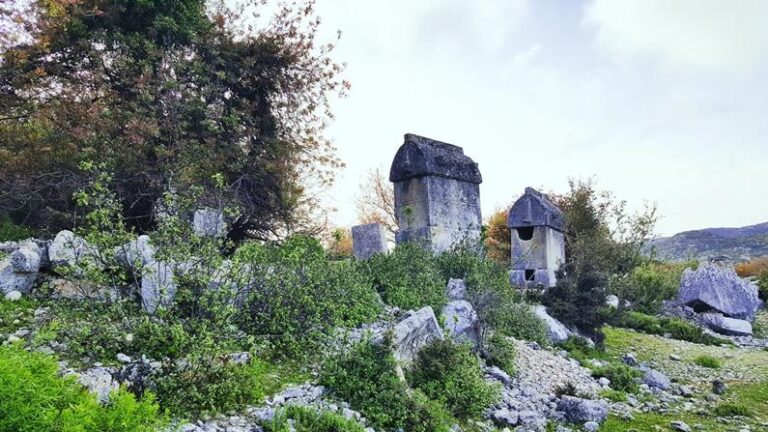
The sarcophagi of Idebessos Ancient City, Kumluca.

Located at an altitude of 1,050 meters on the foothills of the Akdağlar, Idebessos Ancient City is a strategic Lycian crossroads connecting mountain paths to the coast. Standing out with its political union (Sympoliteia) formed with Akalissos and Kormos alongside its position on the Miliarium Lyciae, the city is a mystical mountain settlement hidden in the heart of nature, featuring unique sarcophagi instead of typical rock tombs, a rare triconch-plan Byzantine church, and the famous bronze statuettes of the rider god Kakasbos displayed in the Antalya Museum.

Gagai Ancient City

The acropolis hill of Gagai Ancient City and the Kumluca coastal view.

Controlling the intersection of sea and land routes in Kumluca, Gagai Ancient City is one of the most strategic fortresses of eastern Lycia, with its name meaning "Earth City" in the Hellenic language. Having gained shared representative power in the Lycian League thanks to the strong political alliance it established with Korydalla and Rhodiapolis, the city carries the deeply rooted defense history of the region with its coins minted in the name of its protective goddess Athena, fortifications reinforced against Arab raids, and plain views.