

Korydalla Ancient City: The Strategic Crossroads of Lycia and the City of Treasures
Located south of the Kumluca district of Antalya province, in the region known today as Hacıveliler, Korydalla Ancient City was one of the most vital traffic arteries of the ancient world. Data on the Patara Road Monument (Stadiasmus Patarensis) proves that the city was a crucial intersection where different transit routes converged.
The definitive identity of the city was confirmed thanks to an inscription on a statue base erected in honor of Emperor Marcus Aurelius. However, the history of Korydalla extends much further back, to the 500s B.C. While Hecataeus of Miletus refers to the city as a “Rhodian city,” ancient geographers like Pliny and Ptolemy map the city’s position opposite Mount Masikytos, right between Gagai and Rhodiapolis.
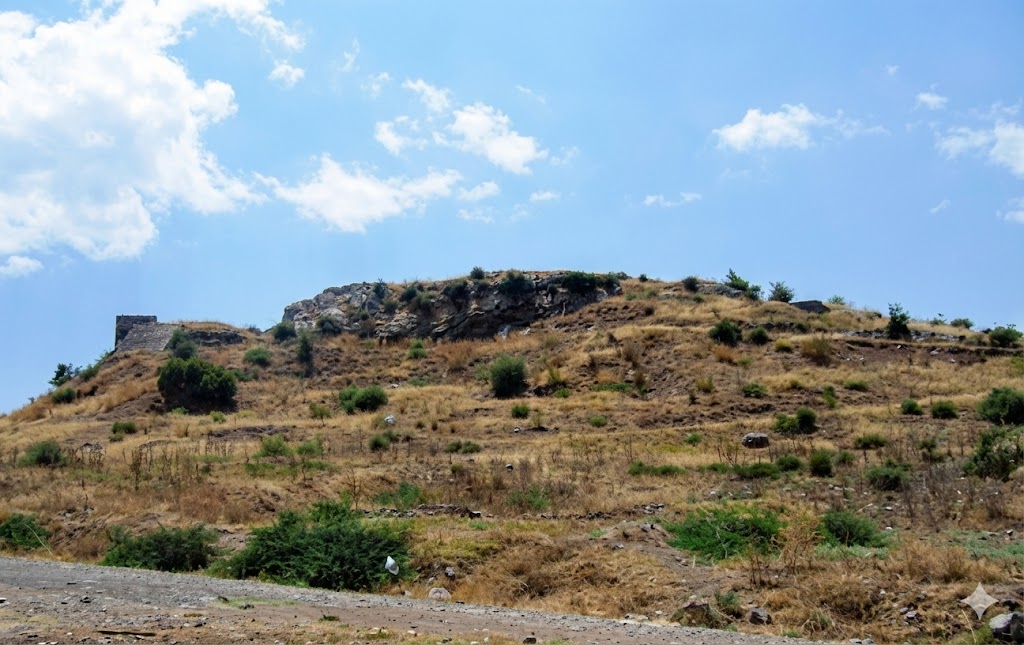
Korydallas the Spy and the Historical Identity of the City
The name Korydalla is also associated with an intriguing figure in the dusty pages of history. It is known that the famous spy Korydallas, who guided the Persian armies through the Anatolian geography during the 5th century B.C., was from this very city. This historical account demonstrates that the city was a strategic settlement holding mastery over regional geographic knowledge during that period.
Politically, Korydalla forms an inseparable whole with its neighbor, Rhodiapolis. Within the Lycian League, these two cities were usually represented together and shared a common geopolitical fate. Inscriptions written in the native Lycian language prove that the city possessed a robust local identity prior to the Hellenistic period. You can find more details about these political partnerships on our Lycian History page.
Archaeological Heritage: The Asar Hills and Aqueducts
The city is spread across two distinct hills known as Büyük Asar (Great Asar) and Küçük Asar (Little Asar). Although the destructive effects of time and modern urban expansion have hidden some monuments, the remains that have reached the present day reflect the former grandeur of the city:
- Aqueducts and Channels: Traceable for approximately 500 meters along the Kumluca-Şeyhköy road, the ancient aqueducts showcase the engineering success of the city.
- Rock Tombs: Six rock tombs are located on the western slope of the Küçük Asar Hill. The kline (funeral couch) arrangements and vaulted ceiling structures inside these tombs stand as select examples of Lycian and Roman burial traditions.
- The Building with the Grand Mosaic: Located in the city center and featuring meticulous masonry work, this building draws great attention with the expansive mosaic field decorating its floor.
- The Lost Theater: The existence of the Korydalla Theater was clearly stated in ancient sources, positioned on the southeastern slope of the Küçük Asar Hill. Regrettably, no visible trace remains above ground today.
You can browse our Lycian Flora guide for the vegetation growing on these rugged hills of the region.
Korydalla on the Global Agenda: The Famous Kumluca Hoard (Sion Treasure)
The Korydalla Ancient City made its mark on archaeological literature not only with its architectural remains but also with a massive Byzantine hoard found in 1963, globally known as the “Kumluca Hoard” or the “Sion Treasure”.
Dating back to the 6th century A.S. (A.D.), this hoard consists of crosses, liturgical lamps, platters, and ceremonial objects used in religious rites, entirely crafted from gold and silver. A portion of the treasure was unfortunately smuggled abroad through illicit channels and is exhibited today at the Dumbarton Oaks Museum in the USA. The portion remaining in Turkey ranks among the most valuable collections of the Antalya Museum. This treasure conclusively proves what a wealthy religious center the city was during the Byzantine era.
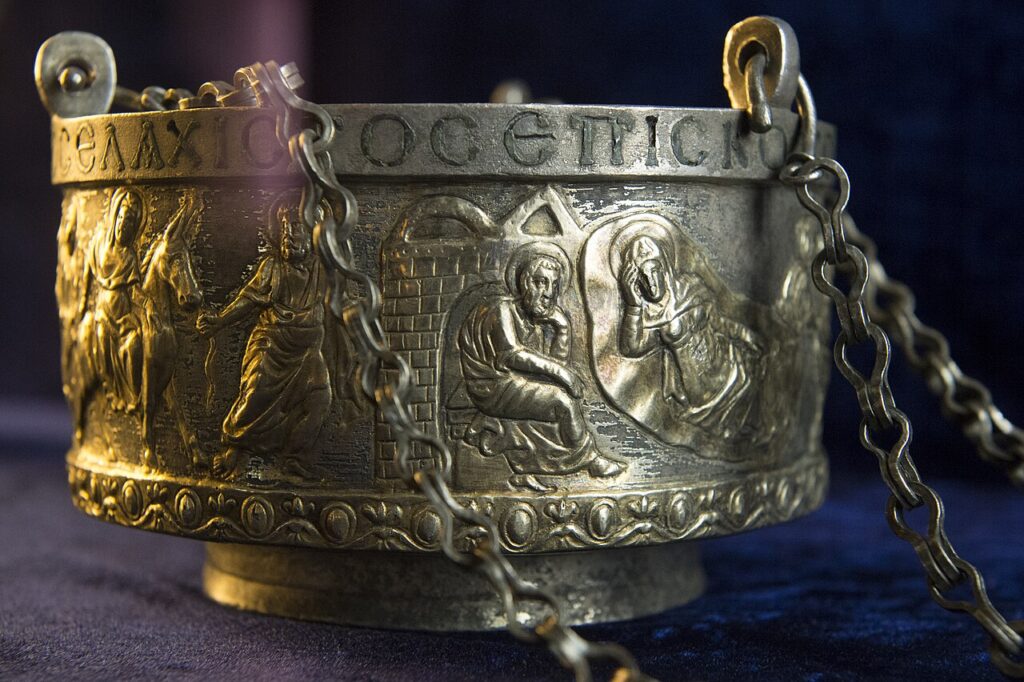
🏛️ History in the Heart of the City
The Korydalla Ancient City is so interwoven with modern Kumluca that when you look up from the district’s vegetable wholesale markets (hal) or main avenues, you can see the ancient fortification walls atop the Asar hills. The views of greenhouses sweeping across the slopes of the city during your visit illustrate how history blends seamlessly with agriculture. You can browse our Lycian Fauna guide to explore the wildlife of the region and follow the website of the T.R. Ministry of Culture and Tourism for current news in 2026.
🏛️ Frequently Asked Questions (FAQ)
Where is Korydalla Ancient City and how is the transportation?
The city is in the Hacıveliler Neighborhood, just south of the Kumluca district of Antalya. You can reach the hills housing the ruins via a short drive or by walking directly from the district center.
Where is the Kumluca Hoard (Sion Treasure) exhibited?
The pieces of the treasure remaining in Turkey are exhibited at the Antalya Museum. The smuggled section is located at the Dumbarton Oaks Museum in Washington D.C.
Is there an admission fee to visit Korydalla Ancient City?
Currently, entry to the archaeological site is free, and there is no ticket booth. However, the region is a registered protected archaeological site.
What is the best time to visit Korydalla Ancient City?
Due to the hot Mediterranean climate of Kumluca, the spring months (March–May) and autumn months (September–November) are the most ideal times for a visit instead of the summer season.