
Rhodiapolis Ancient City: The Metropolis of Generosity and Rhodian Legacy
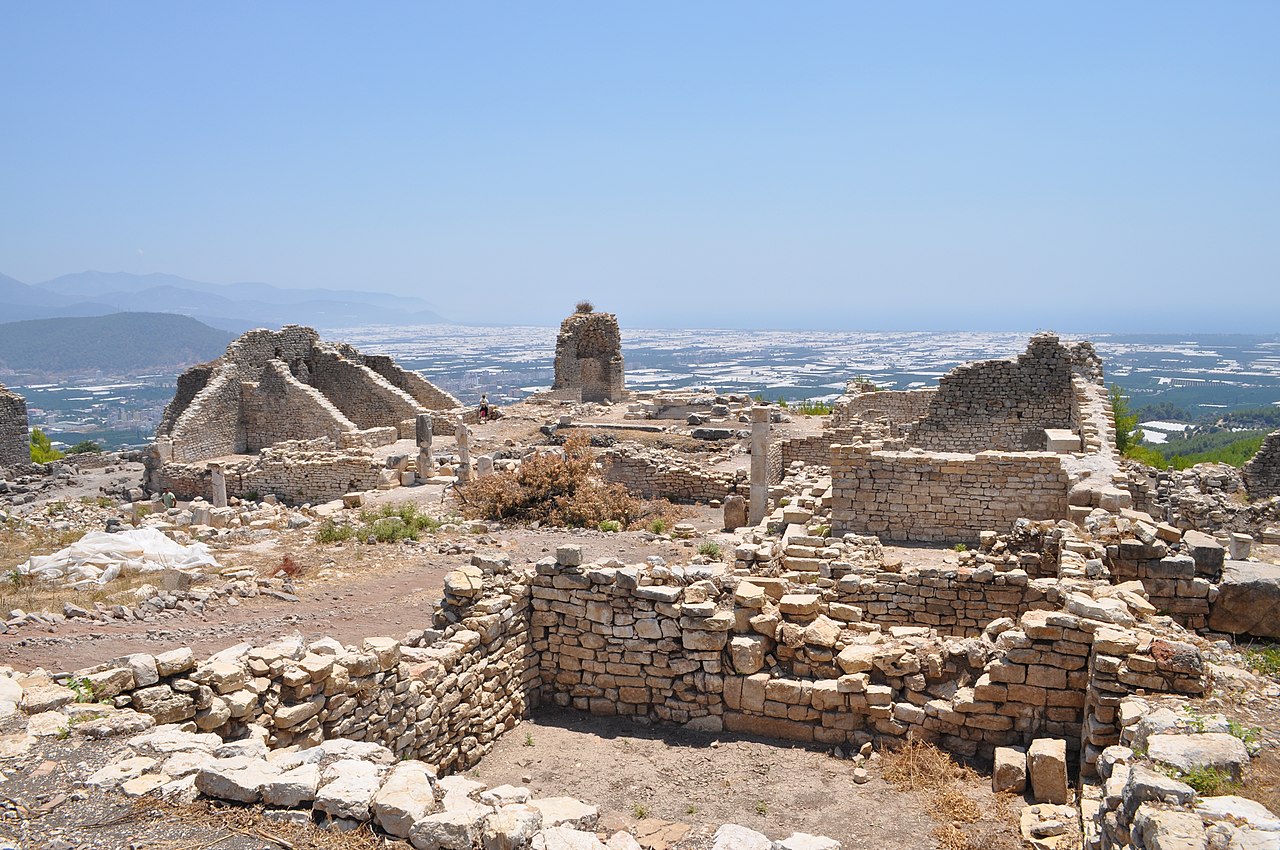
Rising upon a scenic hill near the Sarıcasu Village in the Kumluca district of Antalya, Rhodiapolis Ancient City, as its name implies, stands as one of the prominent Rhodian colonies established in the region. Sharing the same cultural roots with coastal centers like Gagai, Phaselis, Korydalla, and Olympos, Rhodiapolis derives its name from Rhodos, the daughter of the mythical hero Mopsus. Operating as one of the most active members of the Lycian League, this city was not merely a settlement but functioned as the primary center for “social welfare” and solidarity in the ancient world.
🏛️ Opramoas and His Undying Legend
When Rhodiapolis is mentioned, a single historical figure immediately stands out: Opramoas. Living during the reign of Roman Emperor Antoninus Pius (2nd century A.S. / A.D.), this distinguished citizen was the wealthiest and most famous arch-benefactor (euergetes) in the entire history of Lycia.
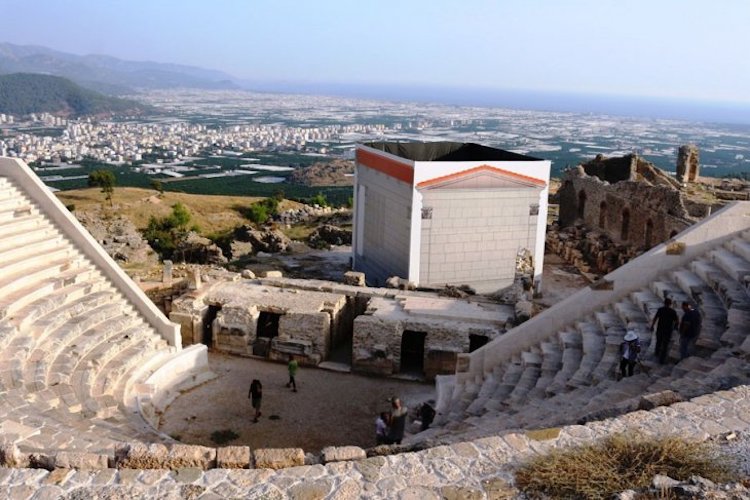
What makes Opramoas uniquely remarkable is not just his immense fortune, but his boundless generosity; he financed the post-earthquake reconstruction of almost every major city within the Lycian League, including Patara, Myra, and Tlos. Situated just southwest of the city’s theater, the Mausoleum of Opramoas stands as one of the longest officially inscribed monuments of the ancient world. Carved onto this monumental tomb are exactly 64 official documents, including imperial letters from Roman emperors and league decrees. In this respect, Rhodiapolis serves as the “diplomatic archive” of Lycia. You can find more strategic details regarding the political frameworks of the federation on our Lycian History page.
The Architectural Fabric and Ruins of Rhodiapolis
Although the prehistoric traces of the city date back to the 7th century B.C., the majority of the ruins visible today fully reflect the grandeur of the Hellenistic and Roman periods.
1. The Rhodiapolis Theater: Compact and Aesthetic
With a capacity of approximately 1,500 spectators, the Rhodiapolis Theater is a typical Greek-planned structure. Commanding a dominant position over the city center, it serves not only as the primary venue for artistic events but also as the ultimate vantage point for the most breathtaking landscapes of the region. The detailed preservation of its cavea (seating rows) and orchestra stands as clear evidence of the city’s ancient social prosperity.
2. Rock-Cut Tombs with Lycian Inscriptions
Rhodiapolis is highly renowned for its Classical-period rock-cut tombs that vividly reflect the original, indigenous identity of the region. These rock tombs, bearing inscriptions in the native Lycian language, shed invaluable light on the eras preceding the Hellenization of the settlement. You can observe this linguistic depth first-hand, which we explore in detail within our Lycian Place Names guide.
3. Civic Structures: Bathhouse, Agora, and Sebasteion
The agora and stoa complex located at the heart of the city layout served as the vibrant core of daily social life. The Roman bathhouse extending toward the west and the neighboring Byzantine-era church remains document that Rhodiapolis preserved its civic, religious, and hygienic importance continuously for centuries.
🏛️ Three Defining Features to Know About Rhodiapolis
| Feature | Detail |
| Most Prominent Figure | The benefactor Opramoas (the wealthiest individual in ancient Lycia). |
| Inscribed Archive | The Opramoas Monument features the longest official inscription in Lycian history. |
| Positional Advantage | A strategic terrace settlement commanding a sweeping view of the Kumluca Plain. |
Geography and Nature: The Summit of Kumluca
Since Rhodiapolis was established atop a rugged hill, its surrounding environment boasts a rich biodiversity. Among the ancient ruins enfolded by pine trees and dense Mediterranean maquis, it is highly common to encounter rare plants unique to the Lycian Flora. Furthermore, the sophisticated cistern systems of the city demonstrate just how precious water resource management was in this high-altitude settlement and highlight the pinnacle reached by ancient hydraulic engineering. You can visit our Lycian Fauna page for the diverse wildlife inhabiting the region.
2026 Travel Notes and Recommendations
Following meticulous excavations conducted in recent years, Rhodiapolis has been transformed into one of the most organized and accessible ancient cities to tour in Lycia.
- Prefer the Morning Hours: Due to its elevated hilltop position, the midday sun can be exceptionally challenging. Watching the first light of day illuminate the Kumluca Plain from the top rows of the theater is a truly priceless experience.
- Examine the Inscriptions Closely: Taking a close look at the finely chiseled, detailed letters covering the stone blocks of the Opramoas Monument lets you truly feel the immense historical weight of the city.
- Explore the Necropolis: The rock-cut tombs featuring native Lycian scripts in the necropolis area will reveal the authentic, raw “stony” spirit of the Land of Light.
🏛️ Diplomacy Carved into Stone
The Rhodiapolis Ancient City serves as a powerful reminder that the ancient world was not shaped solely by warfare and conquest; generosity, sophisticated diplomacy, and societal solidarity were the actual pillars that held civilizations together. The story of Opramoas utilizing his vast wealth for the welfare of his own city and the entirety of Lycia remains an inspiring narrative even today. Do not forget to follow the official pages of the T.R. Ministry of Culture and Tourism to keep up with current events and newest excavation finds for 2026.
🏛️ Frequently Asked Questions (FAQ)
How do I get to Rhodiapolis Ancient City?
It is situated near the Sarıcasu Village to the north of the Kumluca district in Antalya. Following the official signposts from the center of Kumluca, you can reach the entrance of the archaeological site via a brief 10-minute drive.
Is there an admission fee and is the Museum Pass (Müzekart) valid?
Yes, Rhodiapolis is officially open to visitors as an organized archaeological site, and the Museum Pass (Müzekart) is valid at the entrance.
Is it possible to see the Opramoas Monument?
Yes, following extensive restoration and conservation works executed on the monumental tomb, the detailed inscriptions and the general architectural form of the structure can be clearly observed. For anyone fascinated by ancient diplomatic history, this monument stands as a primary pilgrimage point.
Where does the name Rhodiapolis originate from?
The name translates literally from Greek as “The City of the Rhodians,” documenting the historical reality that the settlement was originally established by Rhodian colonists.