
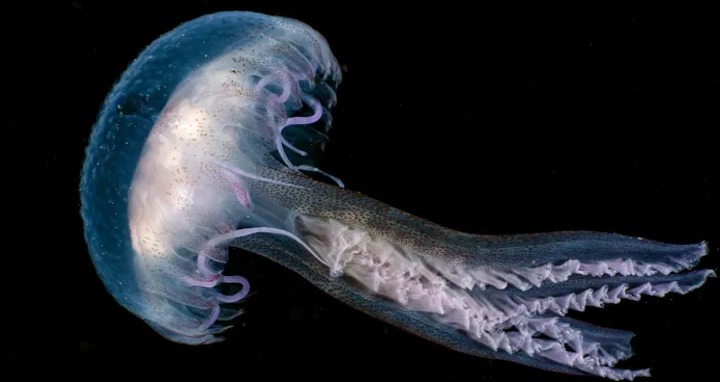

Nature’s Invisible Architects: Lycian Invertebrates
Lycian Invertebrates are the hidden heroes of the wildlife in the Land of Light. Lycia’s wildlife is not limited to majestic mammals or soaring birds. The true diversity lies in a vast world working silently beneath our feet, behind rocks, and in the depths of the sea a world we sometimes struggle to see. These creatures form the cornerstones of the Lycian ecosystem and the lowest yet most powerful link in the food chain.
While butterflies and bees ensure plant reproduction (pollination), earthworms and ants beneath the soil aerate the ground; and sponges and corals in the sea filter the water, ensuring the continuity of life. In this guide, we will get to know these small but hugely significant inhabitants of Lycia up close.
📌 Contents
- Jewels of the Air: Lycian Butterflies and Pollinators
- Engineers of the Soil: Arthropods and Ants
- Depths of the Sea: Sponges and Mollusks
- Endemic Species and Conservation Status
- Macro Photography and Citizen Science: Recording Tiny Worlds
Jewels of the Air: Lycian Butterflies and Pollinators
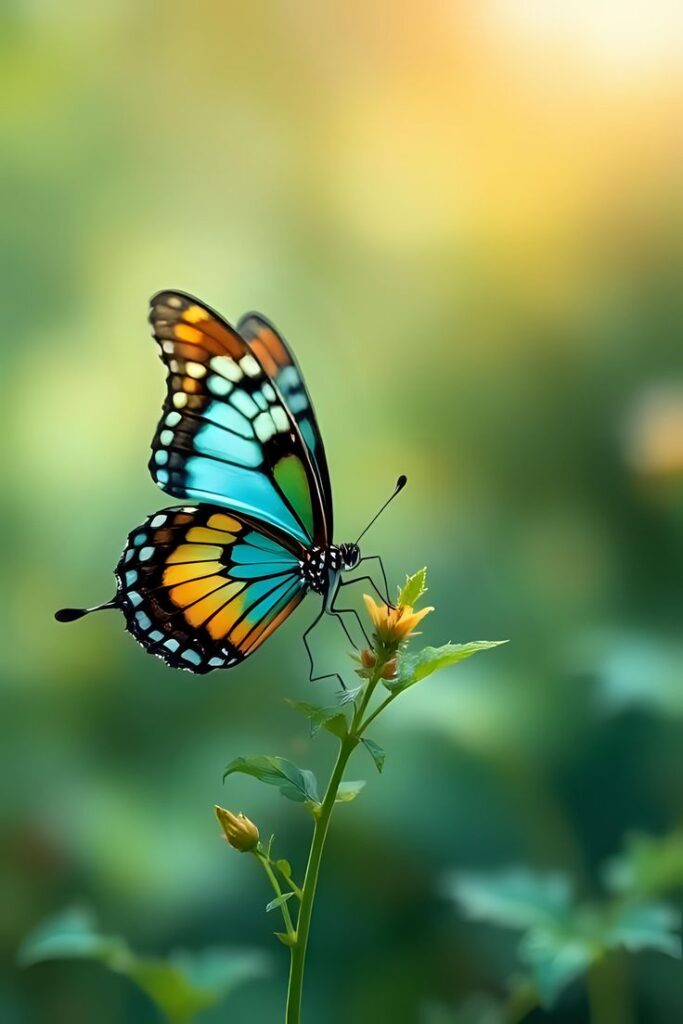
The geography of Lycia turns into a riot of colors, especially in spring. Butterflies, the most elegant members of the Lycian Invertebrates group, take the leading role in this visual feast.
- Pollination Envoys: The continuity of wild orchids and endemic plants in the region largely depends on these pollinators. Rare butterfly species living in the rugged valleys of Lycia protect biodiversity by ensuring genetic transfer between plants.
- Wild Bees: Beyond honey bees, dozens of wild bee species living in Lycia are the hardest workers of the non-agricultural ecosystem. Protecting the habitats of these creatures means protecting the floral richness of Lycia.
Engineers of the Soil: Arthropods and Ants
When you look under rocks or at the leaf litter on the forest floor, you encounter the engineering marvels of the Lycian Invertebrates world.
- Soil Aeration: Ants and earthworms change the physical structure of the soil, allowing water and oxygen to reach the roots. Underground tunnels created by ant colonies help the soil breathe during Lycia’s dry summer months.
- Decomposers: Millipedes and various insect species break down dead organic matter and return it to the soil. This process is a vital recycling mechanism for the productivity of forests and pastures.
Depths of the Sea: Sponges and Mollusks
The coastline of Lycia is home to a massive diversity of invertebrates, not just on land but also underwater. Regions like Kaş and Kekova are among the best diving spots in the world to observe these creatures.
- Filtration Systems: Sea sponges filter water continuously, keeping the marine ecosystem clean. Living in these waters for thousands of years, sponges also serve as shelter for many small creatures.
- Crustaceans and Mollusks: Octopuses, squid, and sea snails are the intelligent and complex members of the underwater food chain. Protecting these creatures is critical for the overall health of the Mediterranean. For more details on underwater life, you can visit our Lycian Nature Conservation and National Parks Guide page.
Endemic Species and Conservation Status
Some Lycian Invertebrates live only in narrow valleys or on a specific mountain slope in this region. These species are called “point endemics.”
- Need for Protection: Climate change and uncontrolled construction threaten the habitats of these small creatures. Protecting endangered species prevents the ecosystem from collapsing as a whole.
- Observation Ethics: It is essential not to harm their natural habitats while observing or photographing these creatures. We should not move rocks and should avoid interventions that cause stress to the animals. Check out our Sustainable Travel and Ethics Guide for detailed ethical rules.
Macro Photography and Citizen Science: Recording Tiny Worlds
Lycian Invertebrates offer an unlimited visual treasure for nature photographers and macro shooting enthusiasts. Documenting the microscopic scales on a butterfly’s wing or the geometric perfection of a spider’s web is not just an artistic pursuit but also a scientific data collection process. Being patient and respecting the natural rhythm of these small creatures is essential while observing them. Not causing stress to the animal and not disturbing its habitat while photographing these tiny inhabitants of the Land of Light is the most important part of our travel ethics.
Today, thanks to “Citizen Science,” amateur observers can also contribute to the protection of biodiversity. By uploading the photos of invertebrates you take during your Lycian trips to global databases, you can help scientists. For example, you can use the iNaturalist platform to identify species and contribute to worldwide species distribution maps. Such platforms are vital for tracking the population status of Lycian Invertebrates and understanding the effects of climate change on these creatures.
❓ Frequently Asked Questions
When is the best time for butterfly watching in Lycia?
Generally, the period from late March to early June is when the butterfly population is at its peak with the blooming of flowers. You can find month-by-month details on our Lycian Nature Calendar page.
What is the biggest contribution of invertebrates to the ecosystem?
Their biggest contributions are energy conversion and pollination. Without them, most plants could not reproduce, and organic waste could not be recycled back into the soil.