
Lycian Nature Conservation Guide: National Parks and Protected Areas
This Lycian Nature Conservation guide introduces the national parks, specially protected areas and other reserves established to protect the natural heritage of the Land of Light. From the Taurus summits to the coastal beaches and seagrass meadows, much of the region is under legal protection. These areas are home to plants found only in Lycia, to endangered sea turtles and to the Mediterranean monk seal.
On this page you will find what the different protection designations mean, the region’s main protected areas, the species they protect and the rules to follow when you visit.
📌 Contents
- Why Does Lycia’s Nature Matter?
- What Do the Protection Designations Mean?
- National Parks
- Specially Protected Areas
- Other Protected Areas
- Protected Species
- Visitor Rules
- Frequently Asked Questions
- References
Lycian Nature Conservation: Why Does the Region Matter?
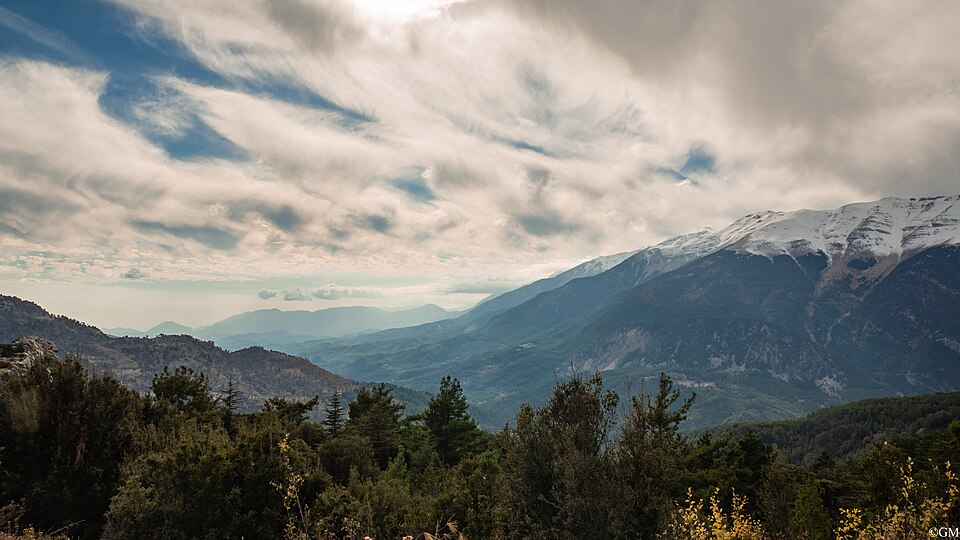
Lycia lies within the Mediterranean Basin biodiversity hotspot, one of the most important in the world. Rising from the sea to summits above 3,000 metres within a short distance, the land brings together very different habitats, and the isolated peaks and valleys of its limestone mountains are home to many endemic species.
Some areas in the region, including Beydağları and the Kaş-Kalkan coast, are also listed in Doğa Derneği’s inventory of Türkiye’s Key Biodiversity Areas. Caretta caretta and the Mediterranean monk seal are protected under the Bern Convention, to which Türkiye is a party.
What Do the Protection Designations Mean?
- National Park: Large areas protecting natural and cultural values together, managed by the General Directorate of Nature Conservation and National Parks of the Ministry of Agriculture and Forestry.
- Nature Park: Protected areas open to visitors, known for their natural beauty and recreational value.
- Nature Reserve: Areas strictly protected for their scientific and natural value.
- Natural Monument: Individual natural features, such as monumental trees, protected in their own right.
- Specially Protected Area (ÖÇK): Ecologically important coastal and marine areas managed by the Ministry of Environment, Urbanisation and Climate Change, where development and activities are tightly regulated.
National Parks
Beydağları Coastal National Park (Olympos-Beydağları National Park): Established in 1972, the park covers about 34,000 hectares, stretching from Sarısu, southwest of Antalya, to Cape Gelidonya. It includes the ancient cities of Phaselis, Olympos and Idyros, Tahtalı Dağı, the park’s highest peak, and the eternal flames of Yanartaş. More than 865 plant species have been recorded in the park, some of them endemic.
Saklıkent National Park: Established in 1996, the park protects Saklıkent Gorge between Fethiye and Kaş. The gorge is about 18 kilometres long and up to 300 metres deep in places. Only its entrance is open to general visitors; the deeper sections are for experienced canyoners.
Specially Protected Areas
- Fethiye-Göcek: Protects the island-strewn Gulf of Fethiye, its coves and coastal ecosystem.
- Patara: Protects the ancient city, its long beach and dunes, and one of the most important nesting sites for Caretta caretta. The beach is closed to visitors at night during the nesting season.
- Kaş-Kekova: Protects both land and underwater ecosystems, including coasts where Mediterranean monk seals are seen and underwater archaeological sites. Swimming, diving and anchoring around the sunken remains are prohibited.
Other Protected Areas
- Ölüdeniz Nature Park: Protects the Ölüdeniz Lagoon and its surroundings. There is an entry fee.
- Çığlıkara Nature Reserve: Covering about 15,900 hectares in Elmalı, it protects one of Türkiye’s most important cedar forests, including old trees registered as natural monuments.
- Butterfly Valley: The valley between steep cliffs is protected for its natural value.
Protected Species
- Sea turtles: Patara and Çıralı are among the important nesting beaches of Caretta caretta in the Mediterranean.
- Mediterranean monk seal: This endangered mammal uses the sea caves of the Kaş-Kekova coast as shelters.
- Lycian salamanders: Salamander species living almost exclusively in the mountains of Lycia, each confined to a very small area.
- Orchids: Dozens of orchid species grow in the region, and some, such as the Kaş orchid, are known only from here.
- Mountain wildlife: Wild goats, the rarely seen caracal and the golden eagle.
For species unique to the region, see our Endemic and Rare Species of Lycia article, and for plants and animals, our Lycian Flora and Lycian Fauna pages.
Visitor Rules
In protected areas, plants, animals, stones and ancient remains are protected by law.
- Fire: Forest fires are the region’s greatest threat. Never light fires in the forest or drop cigarette ends.
- Night beach ban: From May to September, entering Türkiye’s sea turtle nesting beaches at night is prohibited and carries heavy fines. In Lycia, Patara and Çıralı are among these beaches.
- Collecting plants and animals: Picking plants, digging up bulbs or taking animals from the wild is prohibited. Fines for collecting orchids and endemic plants without permission are very high.
- Camping: Camp only at designated sites.
- Drones: Flying drones in protected areas and archaeological sites requires a permit.
- At sea: Choose boats that do not anchor on seagrass. Do not enter seal caves.
- Quiet and waste: Do not disturb wildlife, and take your rubbish home.
For more tips, see our Sustainable Travel and Ethics Guide.
These rules are more than a list of prohibitions. Lycia’s nature lasts a little longer with every visitor who follows them.
❓ Frequently Asked Questions
Is there an entry fee for national parks?
Some national parks, nature parks and archaeological sites charge an entry fee. For current fees, see the pages of the General Directorate of Nature Conservation and National Parks and muze.gov.tr.
Can I camp in protected areas?
Only at designated campsites. Staying overnight or camping on turtle nesting beaches is prohibited.
Why can’t I go on the beach at night?
Caretta caretta turtles come ashore at night to lay their eggs, and the hatchlings race to the sea at night. People and lights disturb both the mothers and the hatchlings, which is why nesting beaches are closed at night from May to September.
References
- Ministry of Agriculture and Forestry of the Republic of Türkiye, General Directorate of Nature Conservation and National Parks
- Ministry of Environment, Urbanisation and Climate Change: Specially Protected Areas
- Doğa Derneği: Key Biodiversity Areas of Türkiye
- Bern Convention on the Conservation of European Wildlife and Natural Habitats