erkan

erkan

Pinara Ancient City

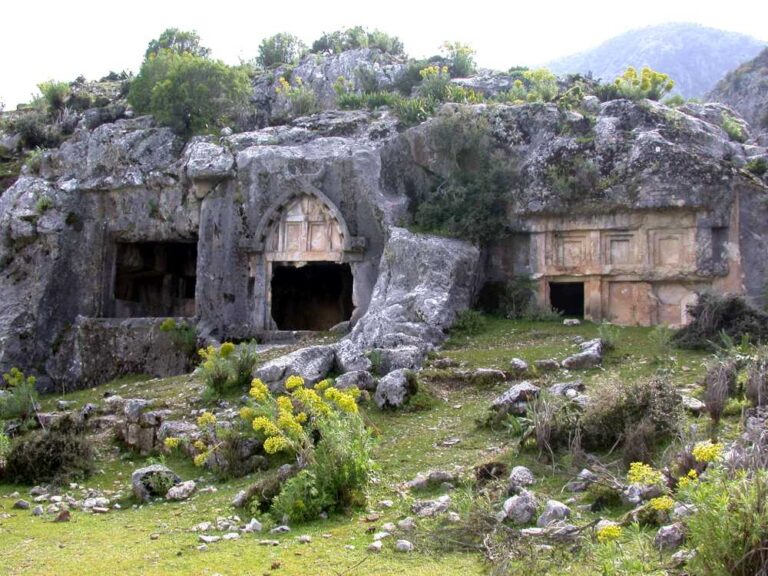
Pinara Ancient City, Seydikemer.

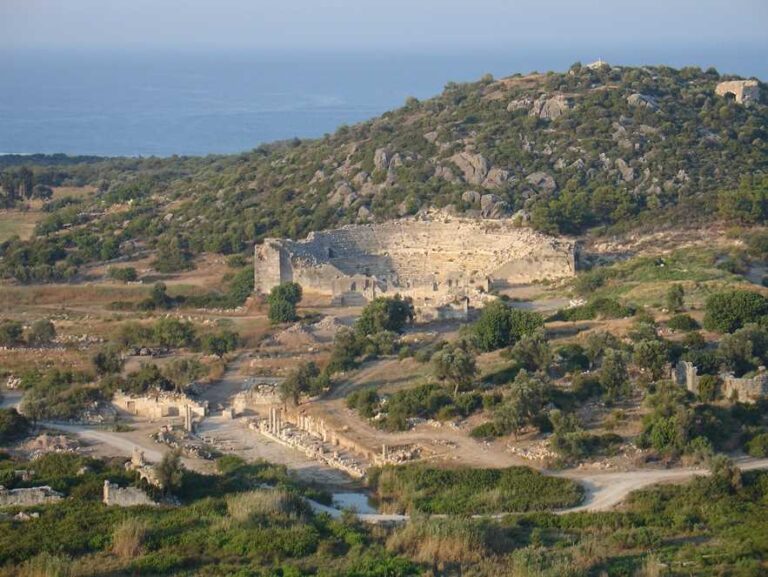
Located in the Seydikemer district of Muğla, Pinara Ancient City (Pinale) is one of the 6 grand metropolises holding 3 voting rights in the Lycian League and stands as one of the most original and mystical mountain settlements of the civilization. Established by immigrants from Xanthos on a round rock mass at the foot of Mount Cragus, the city is one of the most impressive sanctuaries of the Land of Light, featuring thousands of "pigeon-hole" rock tombs resembling a beehive on its upper acropolis, a unique Royal Tomb adorned with an ancient city relief, and a Hellenistic theater and odeon overlooking a lush valley.
Phellos Ancient City

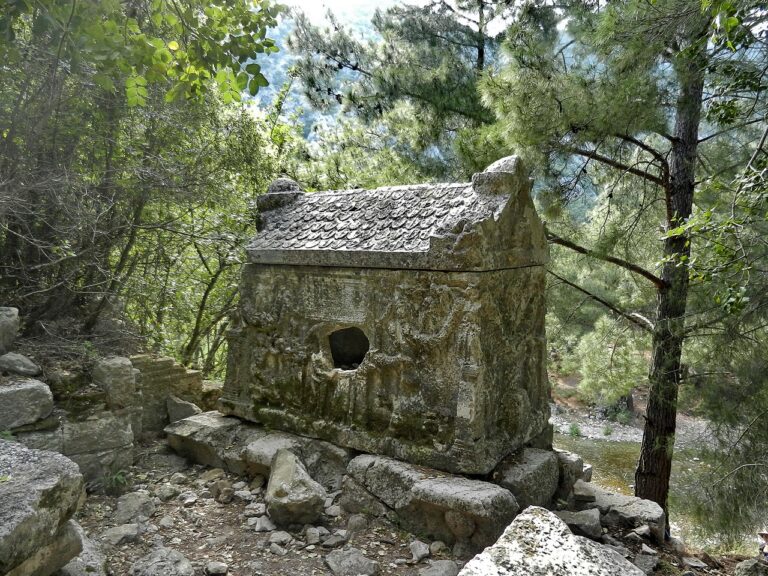
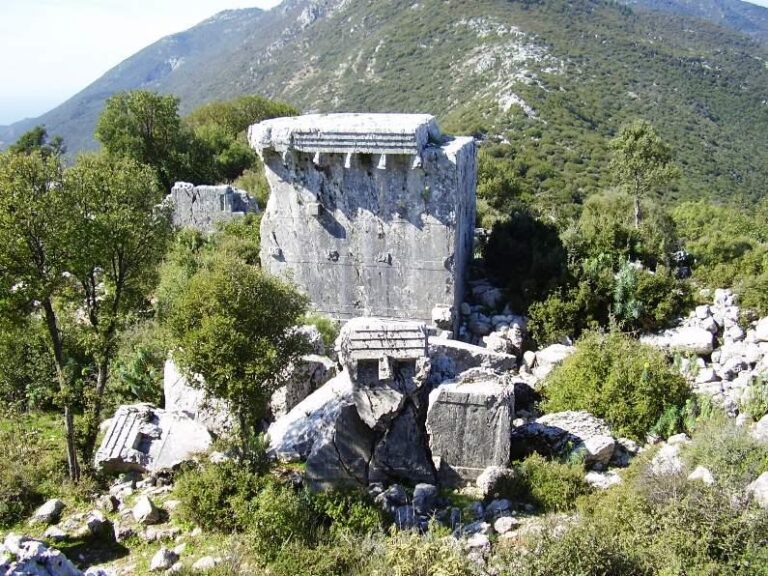
The scattered sarcophagus fragments of Phellos Ancient City.

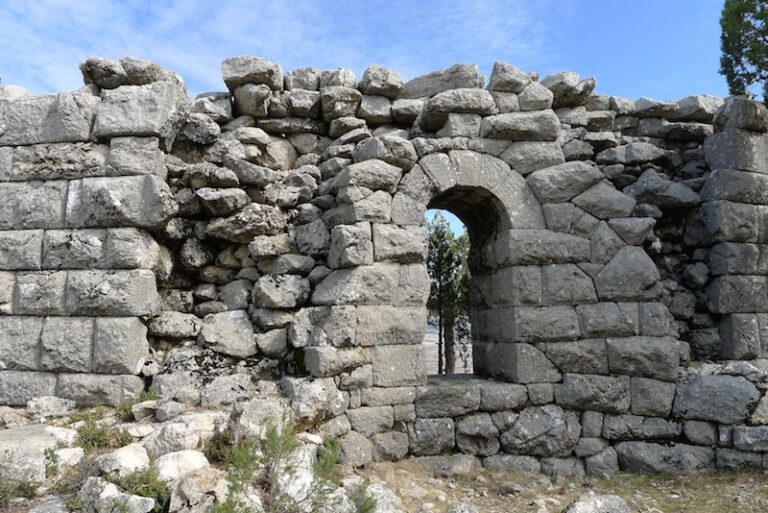
Established on a rugged mountain summit at an altitude of 950 meters above Çukurbağ Village in the Kaş district of Antalya, Phellos Ancient City (Vehinda) is one of the most pristine and mystical military strongholds of the Lycian geography. Being the mountain metropolis for which today's world-famous tourism center Kaş (Antiphellos) was originally founded merely as a port, the settlement stands as a magnificent castle in the sky, featuring fortification walls integrated with limestone cliffs, a house-type rock tomb reflecting Lycian woodwork onto stone, and a unique griffin-decorated sarcophagus depicting a flawless symposium scene.

Phaselis Ancient City

Phaselis antik kenti

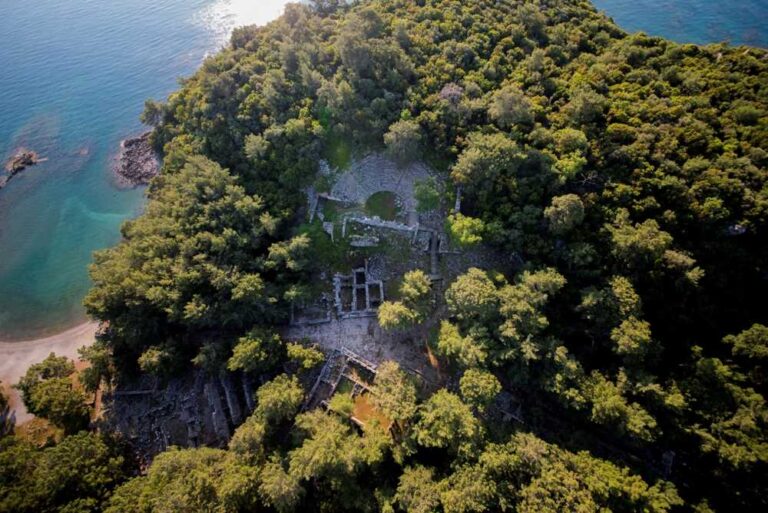
Situated in the Kemer district of Antalya, at the heart of the Beydağları Coastal National Park, Phaselis Ancient City is a wonder of nature and history where the forest meets the Mediterranean. Established by Rhodian colonists and having grown wealthy enough to welcome Alexander the Great with golden crowns, the city stands as the most elegant coastal metropolis of both Lycian and Pamphylian cultures, featuring its three distinct ancient harbors, a magnificent 24-meter-wide main street, massive surviving aqueducts, and an acropolis harboring the mystery of the Temple of Athena.

Patara Ancient City

Patara antik kenti Kaş

Located in the Kaş district of Antalya, Patara Ancient City (Pttara in the Lycian language) was the capital of the Lycian League. It is known for the assembly hall (bouleuterion) where the League met, the Patara Lighthouse, built under Nero and one of the oldest known lighthouses in the world, the Patara Road Monument recording Lycia's road network, and as the traditional birthplace of St Nicholas. The city's 18-kilometre beach is one of the most important nesting sites for loggerhead sea turtles.

Olympos Ancient City

The ruins of Olympos Ancient City and the tomb of Captain Eudemos, Antalya.

Situated in the Kumluca district of Antalya, at the heart of the Beydağları-Olympos National Park, Olympos Ancient City is one of the 6 grand metropolises holding 3 voting rights in the Lycian League, where history and nature are fully synthesized. Shedding light on maritime history with its ancient river canal dividing the city, the monumental tomb of Captain Eudemos decorated with a ship relief, and the shelters of the pirate leader Zeniketes, the city stands as a mystical sanctuary for free-spirited travelers with its adjacent Caretta Caretta nesting beach of Çıralı, the legendary eternal flames of Yanartaş (Chimera), and its world-famous treehouses.

Oinoanda Ancient City

Oinoanda Ancient City, Muğla Fethiye.

Hidden among cedar forests at an altitude of 1,450 meters in the Fethiye district of Muğla, Oinoanda Ancient City (Wiana) is the most intellectual fortress of philosophy and wine culture in the Lycian geography. Deriving its name from wine in the Luwian language, the settlement stands as one of the most mystical exploration routes of the Land of Light, featuring Philosopher Diogenes' world-famous philosophical inscription carved into the stoa wall to instill happiness in humanity, the massive Licinnia Flavilla family tree monument, its leadership in the Kibyra Tetrapolis, and rugged mountain architecture.

Oktapolis Ancient City

Oinoanda Ancient City, Muğla Fethiye.

Hidden among the nearly vertical steep cliffs of Kızılkaya Village in the Dalaman district of Muğla, Oktapolis Ancient City is a mysterious military confederation situated on the Lycian and Carian border. Deriving its name from the phrase for "Eight Cities" and symbolizing the administrative union of surrounding hamlets, the settlement stands as one of the most challenging and pristine fortresses of mountainous Lycia, featuring topography-defying steep rock tombs, watchtowers commanding the Dalaman Plain, fortifications, and massive rock-cut cellars.

Myra Ancient City

Myra antik kenti genel gorunum

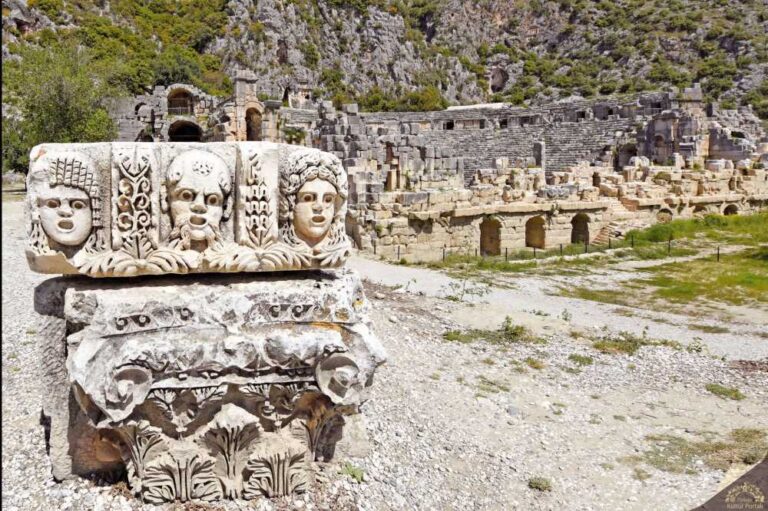
Located in the Demre district of Antalya, Myra Ancient City is a registered metropolis holding 3 voting rights in the Lycian League and stands as one of the most magnificent art centers of the civilization. Referred to as "The Pompeii of Anatolia" due to being buried under alluvial silt brought by the Myros River, the city is a globally renowned cultural heritage featuring rock-cut tombs carved like lace into steep cliffs, the famous "Painted Tomb" reliefs, a massive 11,000-capacity Roman theater, and the episcopal center of St. Nicholas (Santa Claus).

Limyra Ancient City

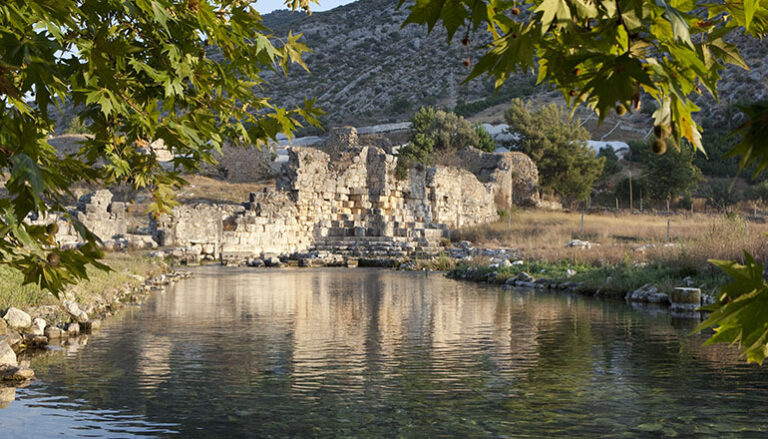
Limyra Ancient City.

Located in the Finike district of Antalya, Limyra Ancient City (Zemuri) is the most original "city of waters and tombs" in the Lycian geography, with its crystal-clear springs flowing through the site and more than 400 rock-cut tombs. Serving as the capital of King Pericles in the 4th century B.C., the settlement stands as one of the most elegant crossroads of both Lycian and Roman imperial histories, featuring the monumental Pericles Heroon depicting military triumphs, the melancholic Cenotaph of Gaius Caesar erected for the heir of Emperor Augustus, its magnificent theater, and the Ptolemaion structure.

Letoon Ancient City

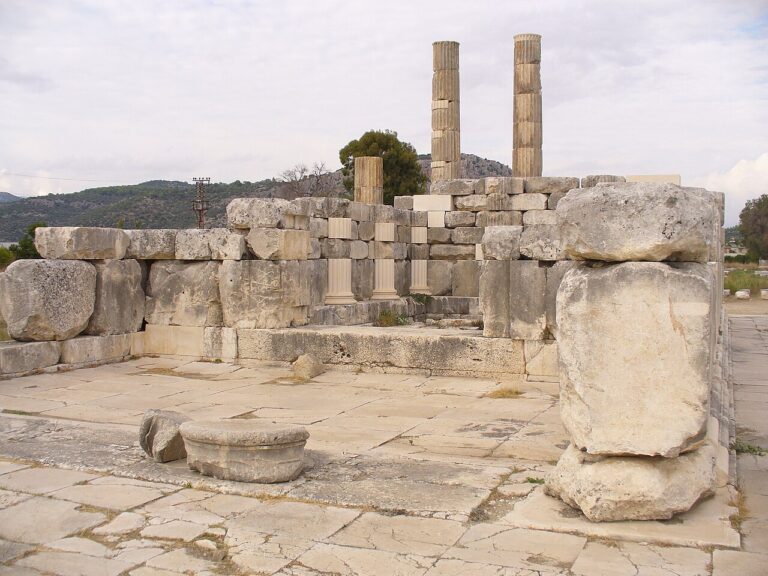
The temples of Letoon Ancient City: Leto, Apollo, Artemis, Seydikemer.

Located in Fethiye Kumluova, Letoon Ancient City is a UNESCO World Heritage-inscribed "Pan-Lycian" sanctuary forming the shared religious conscience and center of faith of the Land of Light, Lycia. Featuring three grand temples built side by side for Goddess Leto and her twin children Apollo and Artemis, the famous Trilingual Inscription that enabled the decipherment of the Lycian language, its mystical water source (Nymphaeum), and partially submerged ruins, it stands as the spiritual capital of the civilization.