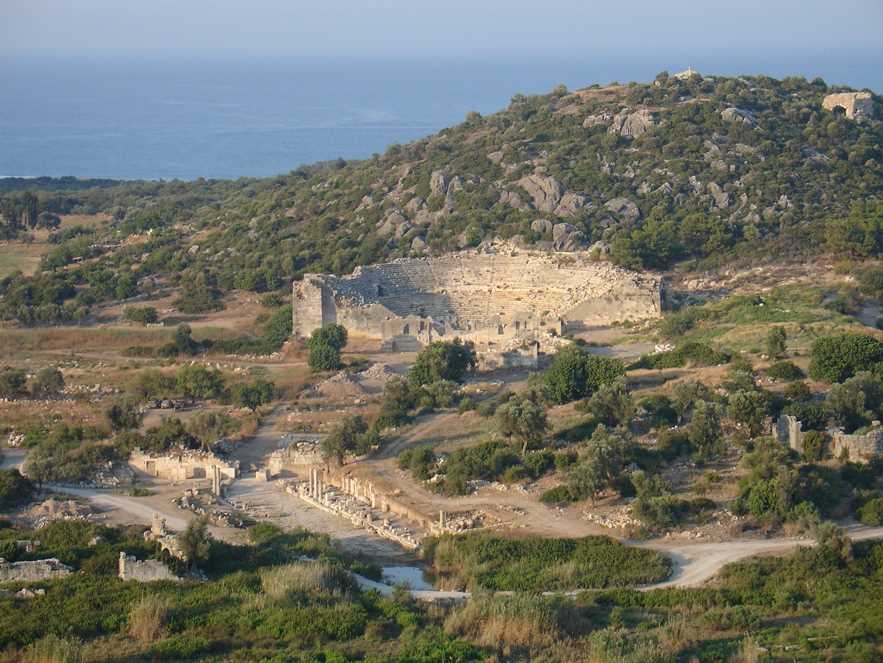
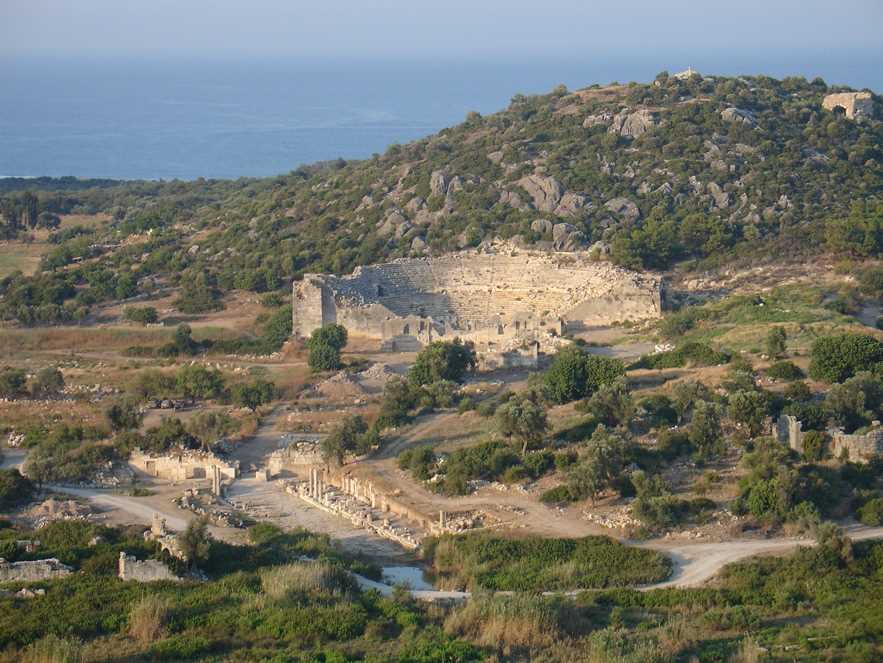
Located in the Kaş district of Antalya, Patara Ancient City (Pttara in the Lycian language) was the capital of the Lycian League. It is known for the assembly hall (bouleuterion) where the League met, the Patara Lighthouse, built under Nero and one of the oldest known lighthouses in the world, the Patara Road Monument recording Lycia's road network, and as the traditional birthplace of St Nicholas. The city's 18-kilometre beach is one of the most important nesting sites for loggerhead sea turtles.
The Capital of the Lycian League and an Ancient Harbour City
Located between the Kaş and Fethiye districts of Antalya, at the southwestern tip of the Xanthos Valley, Patara Ancient City was the meeting place of the Lycian League and one of the region’s most important political and commercial centres. Referred to as “Patar” in Hittite texts of the 13th century BC, the city is known by its original Lycian name, “Pttara”. Early finds from excavations on the Tepecik Acropolis show that the settlement has very deep roots.
Being the only harbour opening to the sea in the Xanthos Valley made Patara a place of strategic importance throughout history. Having become the leading city of Lycia under Ptolemaic rule in the 3rd century BC, Patara became the meeting place of the Lycian League and, in the Roman period, the capital of the province of Lycia.
Architectural Masterpieces: History Written in Stone
Every structure you encounter while walking through Patara tells of the grandeur and engineering skill of a different era:
1. The Assembly Hall (Bouleuterion): Meeting Place of the Lycian League
One of Patara’s most important buildings is the assembly hall where representatives of the Lycian League met. Member cities were represented by one, two or three votes according to their size. In The Spirit of the Laws, the French philosopher Montesquieu wrote: “Were I to give a model of an excellent confederate republic, I should pitch upon that of Lycia.” For this reason, the Lycian League was also cited as an example in the debates surrounding the drafting of the US Constitution. Following extensive restoration, the building is open to visitors today.
2. The Patara Lighthouse: A Light of the Ancient World
Built during the reign of the Roman Emperor Nero (AD 60s), the lighthouse is one of the oldest known lighthouses in the world. Buried under sand for centuries, it has been re-erected through excavation and restoration, largely using its original stones.
3. The Roman Triumphal Arch (Arch of Mettius Modestus)
Welcoming those who enter the city, this impressive arch was built around AD 100 in honour of the Roman governor Mettius Modestus. This three-arched gateway is one of the best-preserved monuments in the city.
🗺️ The Geographic Cipher of Lycia: Stadiasmus Patarensis (Patara Road Monument)
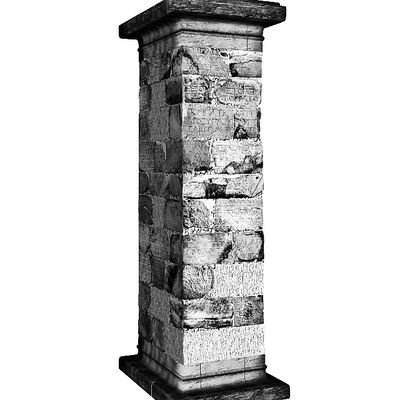
Brought to light at Patara in 1993 and also known as the Miliarium Lyciae, this monument is one of the most important road monuments to survive from the Roman world. Erected in honour of Emperor Claudius after Lycia became a Roman province in AD 43, it records the roads of Lycia and the distances between its settlements.
Where to See It: Following the completion of restoration work, the monument is displayed within Patara Ancient City, along the main road leading to the theatre.
The GPS of Antiquity: The monument lists, one by one, the roads connecting the settlements of Lycia and the distances between them, measured in stadia. These records have made an important contribution to locating several ancient settlements and to our understanding of Lycia’s historical geography.
Its Value for Research: Written in Greek, the monument records the place names of the region and has become one of the key sources for research into Lycia’s historical geography.
Religious Importance: St Nicholas and the Oracle of Apollo
Patara was a centre of attraction not only politically but also religiously. Known in antiquity as the winter seat of Apollo’s oracle, the city gained worldwide fame in the Christian era.
St Nicholas (Santa Claus): According to tradition, St Nicholas, known around the world as Santa Claus, was born in Patara in the late 3rd century AD. Although he served as bishop in the neighbouring city of Myra, his roots lie here.
An Episcopal Centre: The attendance of Bishop Eudemos of Patara at the Council of Nicaea in AD 325 reflects the city’s religious importance in Late Antiquity.
Patara Beach: An 18-Kilometre Natural Treasure
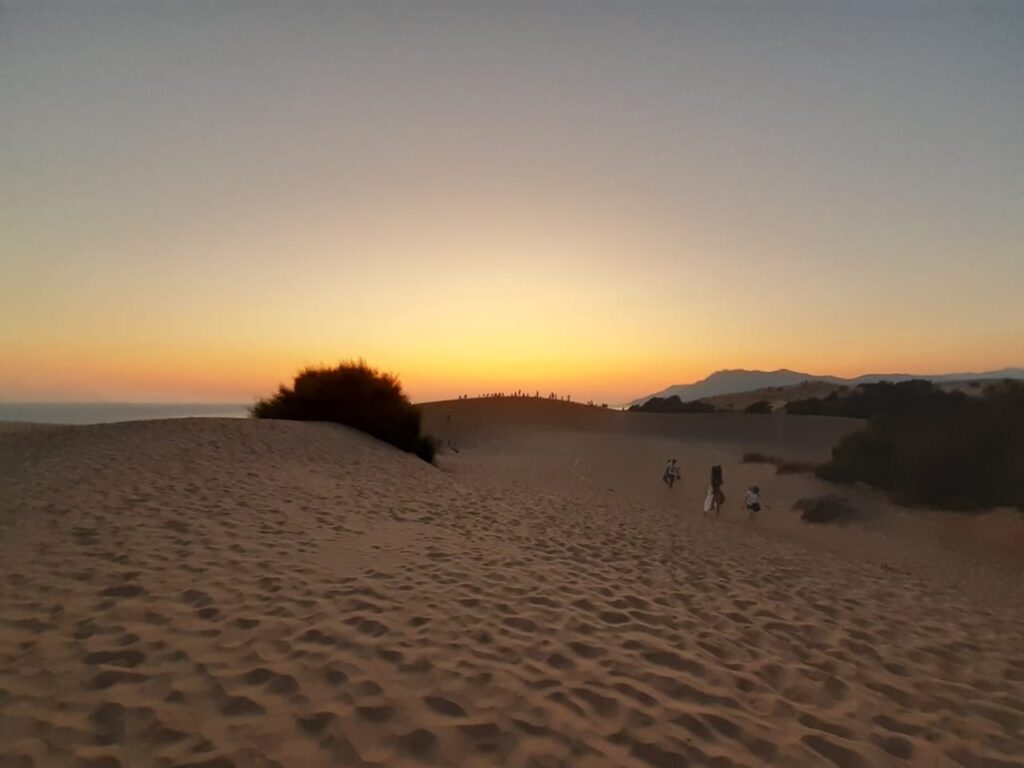
One of the things that makes Patara unique is the vast beach that begins where the ancient city ends. Stretching for 18 kilometres, it is one of the longest beaches in Türkiye, and its fine sand gives it the look of a desert.
Nesting Ground of Sea Turtles: Patara is one of the most important nesting sites for loggerhead sea turtles (Caretta caretta) in the Mediterranean. Access to the beach at night is restricted during the nesting season. Details on the protection and ecosystem of the beach can be found in our Lycian Fauna guide.
Sand Dunes and Endemic Species: The sand dunes of Patara have served as the setting for many “desert” scenes in Turkish cinema. You can visit our Lycian Flora page for the rare plants of this dune ecosystem.
Travel Notes and Recommendations
Following the investments made after 2020 was declared the “Year of Patara”, visitor paths and facilities at the site have been greatly improved.
Walking Route: Start at the Triumphal Arch at the entrance, visit the Assembly Hall and the Theatre, and be sure to walk along the harbour road to the Lighthouse. This route is also part of a section of the Lycian Way.
Sunset: Watching the sunset from the great sand dunes of Patara Beach is an experience you will never forget.
Exploring the Acropolis: Climb the Tepecik Acropolis to see the city’s oldest settlement layers and enjoy a panoramic view of the ancient harbour.
🏛️ A Shared Heritage
Patara Ancient City is a shared heritage not only of Anatolia but of world civilisation. By representing its cities according to their size, the Lycian League attracted the interest of political thinkers centuries later. You can browse our Lycian Ancient Cities List to explore the other members of the League. For current opening hours and excavation news, be sure to visit the website of the Ministry of Culture and Tourism of the Republic of Türkiye.
🏛️ Frequently Asked Questions (FAQ)
How do I get to Patara Ancient City?
It is 43 km from Kaş and 73 km from Fethiye. The site is reached via the village of Gelemiş.
Is the Museum Pass (Müzekart) valid in Patara?
Yes. The archaeological site is run by the Ministry of Culture and Tourism, and the Museum Pass is valid there.
Can the Lighthouse be visited?
Yes. The restored lighthouse stands on the coastal side of the ancient city and is open to visitors.
Is the house of Santa Claus here?
According to tradition, St Nicholas was born in Patara, but his famous church and tomb are in the neighbouring city of Myra.