

Trysa Ancient City: Where Art and War Are Carved into Stone
Perched like an eagle’s nest near the Gölbaşı Neighborhood of Davazlar Village along the highway connecting Kaş and Demre in Antalya, Trysa Ancient City stands as one of the most mysterious settlements in Lycia. Interestingly, the name of this city is never mentioned in the works of ancient writers. However, for archaeologists and historians, Trysa represents a highly preserved defense and art center ruled by a local dynast, much like Phellos or Sura.
Confirmed as a member of the Lycian League by the 2nd century B.C., the city proudly declared its identity to the world through the “TP” (Trysa/Trysate) abbreviation stamped onto the federation’s official coinage.
🏛️ The Lost Heritage in Vienna: The Trysa Heroon
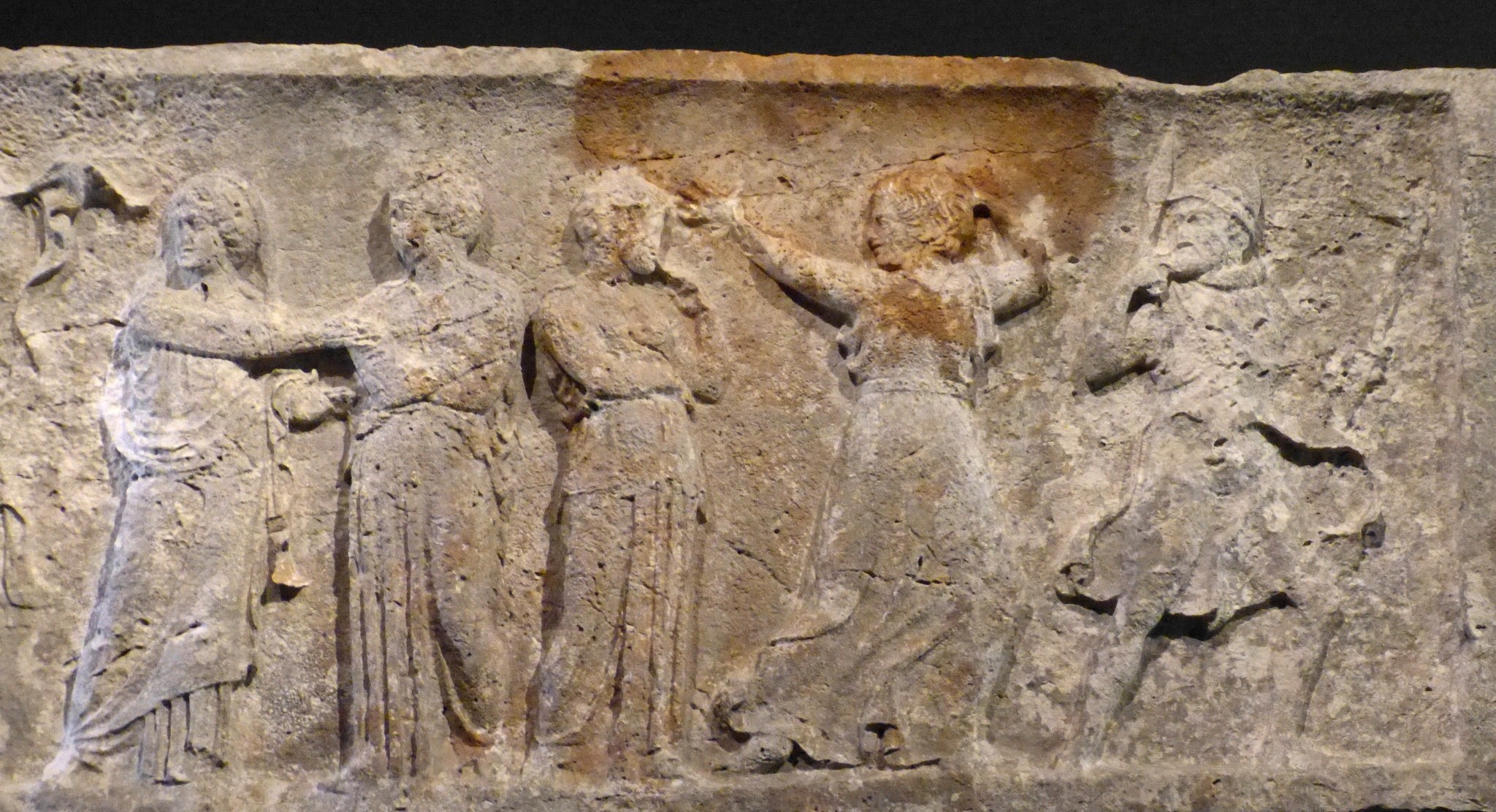
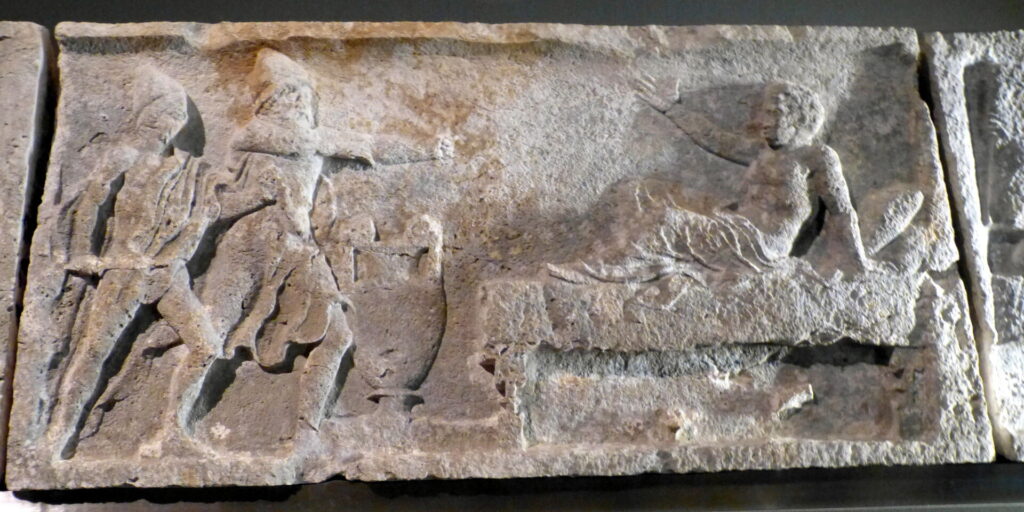
The primary event that brought Trysa into global archaeological literature is the monumental tomb, known as the Heroon, discovered on the city’s acropolis. This structure boasted one of the most spectacular relief series not just in Lycia, but in the entire ancient world.
The Melancholic Journey of the Heroon
Dating to the second quarter of the 4th century B.C., this massive monumental tomb was enclosed within a courtyard of approximately 18 square meters. Its interior and exterior walls were adorned with magnificent friezes depicting scenes from Homer’s Odyssey, the battle of the Amazons (Amazonomachy), and various other mythological narratives.
- The 1882–1883 Discovery: Discovered by Austrian archaeologists, these invaluable reliefs were dismantled and transported to the Kunsthistorisches Museum (Museum of Fine Arts) in Vienna, through the official permits (and complex diplomatic maneuvers) of the era.
- Current Status: The Heroon, which is Trysa’s greatest masterpiece, along with the famous Dereimis-Aiskhylos sarcophagus, remains on display today thousands of miles away from its native homeland.
The Architectural Fabric and Acropolis Ruins
Trysa Ancient City was established atop a long, narrow acropolis measuring 550 meters in length and 150 meters in width. Rising about 30 meters higher than the neighboring Gölbaşı Village, this defensive site perfectly reflects the strategic prowess of the settlement.
1. Fortification Walls and Defense
On the northern and western sides of the city, the fortification walls constructed in the 5th century B.C. with irregular (cyclopean) stonemasonry still stand strong. These walls prove just how securely defended a stronghold Trysa was in its heyday.
2. The Temple of Zeus and Helios
Situated in the southwest of the acropolis, this highly ruined temple stands as the only concrete structure documenting the religious identity of the city. Inscriptions discovered here record a citizen serving as a priest to Zeus and Helios, documenting which deities held a prominent place in the city’s pantheon.
3. Sarcophagi and Funerary Richness
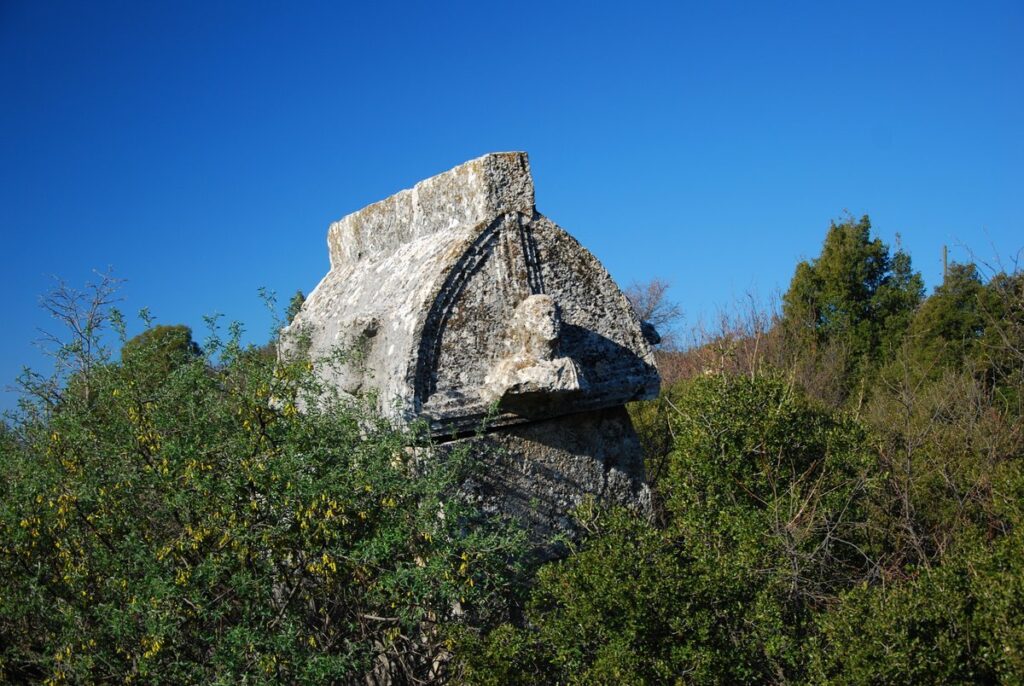
Trysa reflects early Lycian characteristics in terms of sarcophagus architecture. These sarcophagi, featuring lid crests carved in the shape of busts or animal heads, demonstrate how unique the city’s artistic understanding was. You can explore other fine examples of these structures on our Lycian Funerary Architecture page.
🏛️ Three Fundamental Features to Know About Trysa
| Criterion | Detail |
| Most Famous Masterpiece | The Trysa Heroon (currently on display in Vienna). |
| Political Power | Minted its own unique Lycian League coins bearing the “TP” abbreviation. |
| Architectural Layout | Features a 550-meter-long acropolis and robust 5th-century B.C. walls. |
Geography and Nature: The Silence of Gölbaşı
Due to its geographical setting, Trysa features a rugged and rocky terrain. While this topography made defending the city exceptionally easy in antiquity, today it offers visitors a spectacular panoramic view of the surrounding valleys. Characteristic Mediterranean maquis of the Lycian Flora and plant species unique to rocky terrains burst forth from between the ancient ruins. You can visit our Lycian Fauna page for the diverse wildlife of the region, especially high-altitude birds of prey like vultures.
2026 Travel Notes and Recommendations
- Gear Up Properly: Trysa is not an organized archaeological site with paved pathways. Sturdy hiking shoes, sunscreen, and plenty of drinking water are absolute musts.
- Landscape Photography: Walk to the easternmost edge of the acropolis and look down over the valley; it will make you feel as though you are standing watch in an ancient lookout tower.
- Art and Melancholy: If your travels ever take you to Europe, you can view the breathtaking masterpieces that once filled the empty spaces you see in Trysa at the Kunsthistorisches Museum in Vienna.
🏛️ A Silent Cry Among the Stones
The Trysa Ancient City serves as a powerful reminder that the ancient world was not shaped solely by warfare, but also by an incredibly high artistic consciousness. Although the city did not carve its name extensively into historical texts, it achieved immortality through the mythological scenes etched permanently onto its stones. Do not forget to follow the official website of the T.R. Ministry of Culture and Tourism to keep up with current research news and restoration initiatives for 2026.
🏛️ Frequently Asked Questions (FAQ)
How do I get to Trysa Ancient City?
While traveling along the Kaş-Demre highway, turn off at the signpost for Davazlar Village to reach the Gölbaşı Neighborhood. The ruins are located on the hill rising directly above the village. The final stretch of the dirt road is somewhat rough.
Is there an admission fee and is the Museum Pass (Müzekart) valid?
Trysa is currently not an enclosed archaeological site with a ticket booth. Admission is entirely free; however, because there are no tourist facilities or site guards, coming well-prepared is highly recommended.
What remains at the site of the Heroon?
Unfortunately, only the basic foundation outlines and empty spaces remain where the famous relief-carved walls of the Heroon once stood. However, the other sarcophagi and fortification walls scattered across the site are still highly worth seeing.
When was Trysa established?
Although the ruins and defensive walls trace back to the 5th century B.C., the golden age of the city—as understood from its minted coinage—was during the 2nd century B.C.