Category Genel

Podalia Ancient City
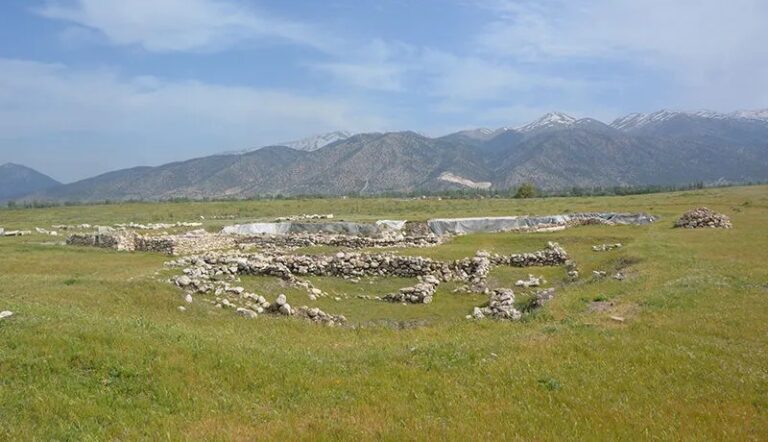
The ruins of Podalia Ancient City and the view of the Elmalı Plain.

Accepted to be positioned on Buralye Hill to the north of Lake Avlan in the Elmalı district of Antalya, Podalia Ancient City is one of the most mysterious outposts on the northwestern border of the Lycian civilization. The settlement, which has not yet been systematically excavated, is highly renowned in the archaeological world for its unique coin featured in the famous Medici collection and the massive silver "Podalia Hoard" discovered in 1957 that shed light on the financial structure of the Lycian League. It stands as a surface survey route awaiting future discovery with its mountainous geography and lake views.
Phellos Ancient City

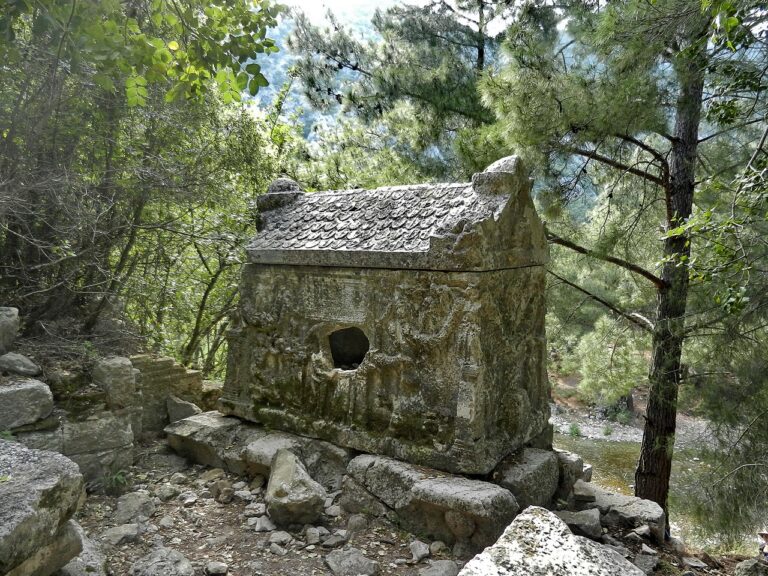
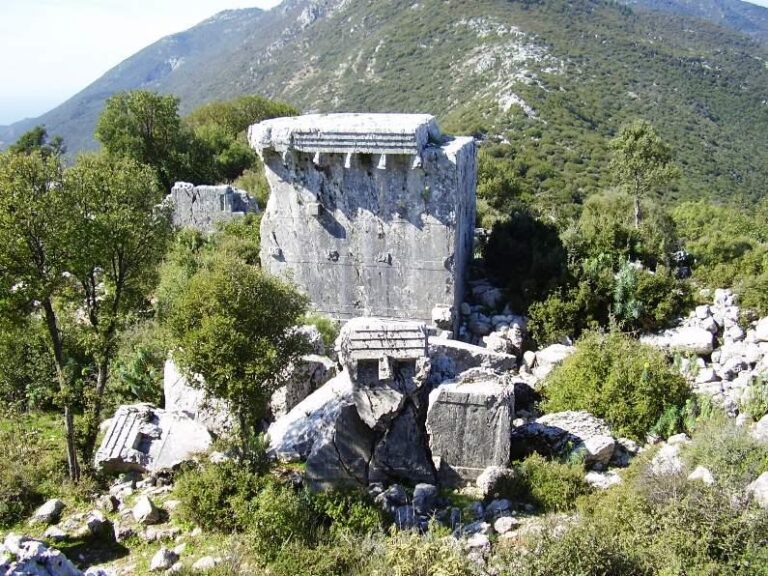
The scattered sarcophagus fragments of Phellos Ancient City.

Established on a rugged mountain summit at an altitude of 950 meters above Çukurbağ Village in the Kaş district of Antalya, Phellos Ancient City (Vehinda) is one of the most pristine and mystical military strongholds of the Lycian geography. Being the mountain metropolis for which today's world-famous tourism center Kaş (Antiphellos) was originally founded merely as a port, the settlement stands as a magnificent castle in the sky, featuring fortification walls integrated with limestone cliffs, a house-type rock tomb reflecting Lycian woodwork onto stone, and a unique griffin-decorated sarcophagus depicting a flawless symposium scene.

Phaselis Ancient City

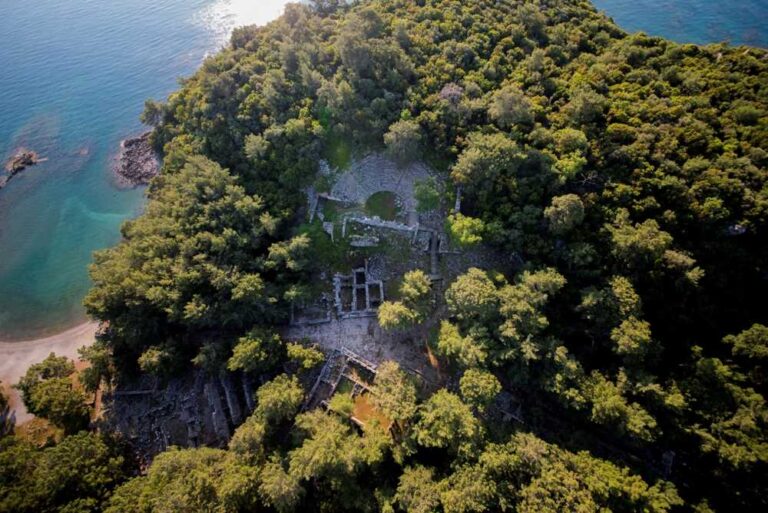
Phaselis antik kenti

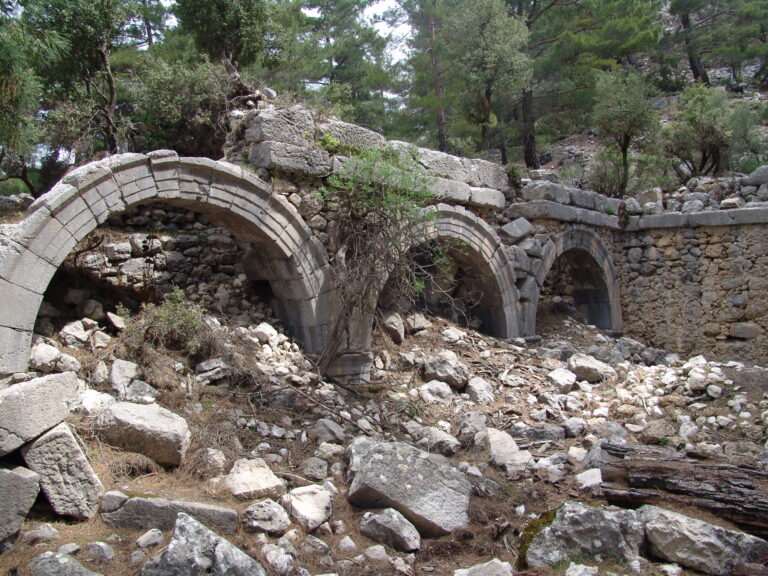
Situated in the Kemer district of Antalya, at the heart of the Beydağları Coastal National Park, Phaselis Ancient City is a wonder of nature and history where the forest meets the Mediterranean. Established by Rhodian colonists and having grown wealthy enough to welcome Alexander the Great with golden crowns, the city stands as the most elegant coastal metropolis of both Lycian and Pamphylian cultures, featuring its three distinct ancient harbors, a magnificent 24-meter-wide main street, massive surviving aqueducts, and an acropolis harboring the mystery of the Temple of Athena.

Olympos Ancient City

The ruins of Olympos Ancient City and the tomb of Captain Eudemos, Antalya.

Situated in the Kumluca district of Antalya, at the heart of the Beydağları-Olympos National Park, Olympos Ancient City is one of the 6 grand metropolises holding 3 voting rights in the Lycian League, where history and nature are fully synthesized. Shedding light on maritime history with its ancient river canal dividing the city, the monumental tomb of Captain Eudemos decorated with a ship relief, and the shelters of the pirate leader Zeniketes, the city stands as a mystical sanctuary for free-spirited travelers with its adjacent Caretta Caretta nesting beach of Çıralı, the legendary eternal flames of Yanartaş (Chimera), and its world-famous treehouses.

Oinoanda Ancient City

Oinoanda Ancient City, Muğla Fethiye.

Hidden among cedar forests at an altitude of 1,450 meters in the Fethiye district of Muğla, Oinoanda Ancient City (Wiana) is the most intellectual fortress of philosophy and wine culture in the Lycian geography. Deriving its name from wine in the Luwian language, the settlement stands as one of the most mystical exploration routes of the Land of Light, featuring Philosopher Diogenes' world-famous philosophical inscription carved into the stoa wall to instill happiness in humanity, the massive Licinnia Flavilla family tree monument, its leadership in the Kibyra Tetrapolis, and rugged mountain architecture.

Oktapolis Ancient City

Oinoanda Ancient City, Muğla Fethiye.

Hidden among the nearly vertical steep cliffs of Kızılkaya Village in the Dalaman district of Muğla, Oktapolis Ancient City is a mysterious military confederation situated on the Lycian and Carian border. Deriving its name from the phrase for "Eight Cities" and symbolizing the administrative union of surrounding hamlets, the settlement stands as one of the most challenging and pristine fortresses of mountainous Lycia, featuring topography-defying steep rock tombs, watchtowers commanding the Dalaman Plain, fortifications, and massive rock-cut cellars.

Limyra Ancient City

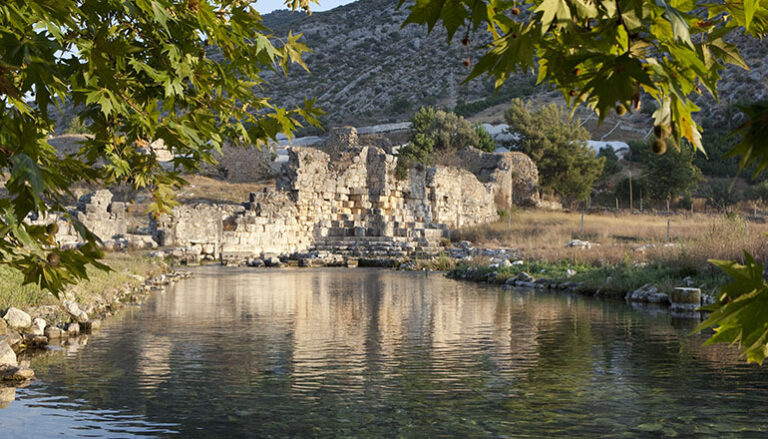
Limyra Ancient City.

Located in the Finike district of Antalya, Limyra Ancient City (Zemuri) is the most original "city of waters and tombs" in the Lycian geography, with its crystal-clear springs flowing through the site and more than 400 rock-cut tombs. Serving as the capital of King Pericles in the 4th century B.C., the settlement stands as one of the most elegant crossroads of both Lycian and Roman imperial histories, featuring the monumental Pericles Heroon depicting military triumphs, the melancholic Cenotaph of Gaius Caesar erected for the heir of Emperor Augustus, its magnificent theater, and the Ptolemaion structure.

Kyaneai Ancient City

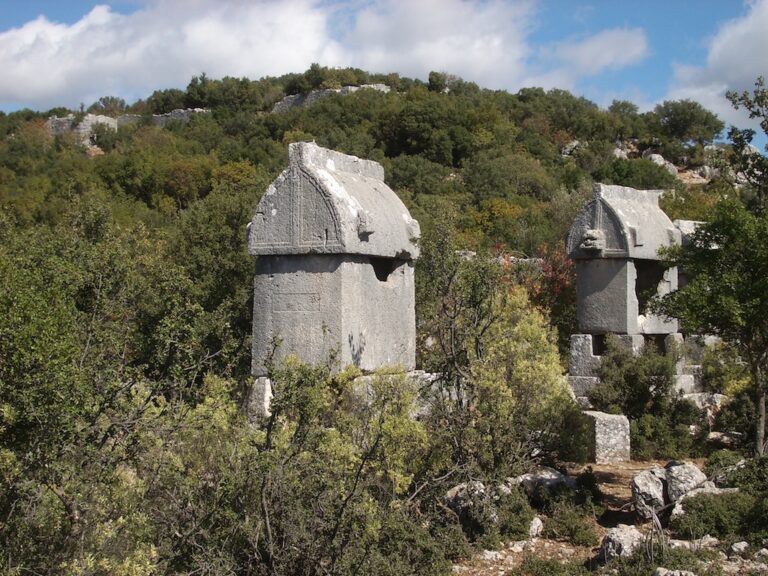
Kyaneai Ancient City and its monumental sarcophagi, Yavu Demre.

Rising upon the rugged cliffs of the Yavu plateau in the Demre district of Antalya, Kyaneai Ancient City hosts the largest "sea of sarcophagi" in the Lycian geography with more than 300 monumental tombs. Deriving its name from the word for "Deep Blue" and having grown wealthy enough in antiquity to provide financial aid to neighboring cities, the site stands as one of the most prestigious mountain settlements of the Land of Light, featuring the generosity inscriptions of League President (Lyciarch) Jason, a hillside theater, a library, and massive rock cisterns.

Korydalla Ancient City

Remains of the Ancient City of Korydalla at Büyük Asar Hill

Located in the Kumluca district of Antalya, Korydalla Ancient City is one of the most vital logistical crossroads of the ancient period, documented by its position on the Patara Road Monument. Sharing a common political fate with Rhodiapolis and writing its name into history with the spy Korydallas who guided the Persian armies, the city symbolizes the wealthy past of eastern Lycia with its world-famous Byzantine "Sion Treasure" (Kumluca Hoard) unearthed in 1963, rock tombs on the Asar hills, and fortifications interwoven with modern agricultural greenhouses.

Kitanaura Ancient City

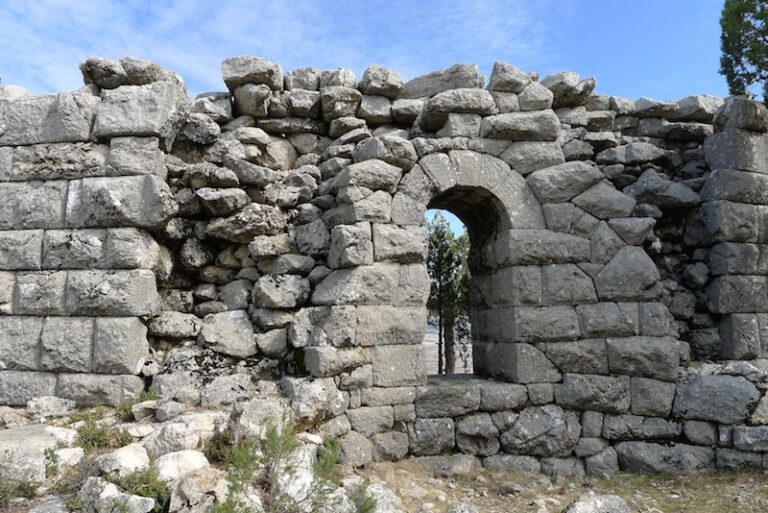
The ruins of the ancient city of Kitanaura in Kumluca

Hidden among the high peaks of the Beydağları in the Kumluca district of Antalya, Kitanaura Ancient City is a strategic fortress-city reflecting the military and logistical ingenuity of antiquity. Conclusively identified thanks to the Patara Road Monument (Stadiasmus Patarensis) and forming the most critical frontier border of Termessos, the settlement stands as one of the most magnificent guardians of the mountainous Lycia-Pisidia transition zone with its massive fortifications built progressively during the Hellenistic, Roman, and Byzantine eras, its agora, monumental public buildings, and rock niches bearing traces of the ancestor cult.