

Treasure in the Depths of Blue: Lycian Marine Life
Lycian Marine Life is the hidden treasure of the Land of Light, which is home to the clearest waters of the Mediterranean and one of the richest underwater ecosystems in Europe. From the world-famous diving spots of Kaş to the kilometers-long sandy beaches of Patara, this blue world offers breathtaking biodiversity, ranging from giant mammals to colorful crustaceans, and from majestic fish to microscopic organisms.
The region is a vital sanctuary, particularly for the critically endangered Mediterranean Monk Seal and the Loggerhead Sea Turtles (Caretta caretta) that have been laying their eggs on these shores for millions of years. In this guide, we will explore in detail the creatures living in the turquoise waters of Lycia and the methods to protect this delicate world.
📌 Contents
- Lycia’s Rare Guest: Mediterranean Monk Seal
- Ancient Travelers of the Seas: Sea Turtles
- Masters of the Reef: Groupers
- Seagrass Meadows (Posidonia Oceanica): The Lungs of the Mediterranean
- The Mystery of Micro Life: Sea Slugs (Nudibranchs)
- Invasive Species and the Changing Ecosystem
- Sustainable Diving and Observation Ethics
- Underwater Caves and Nocturnal Life
Lycia’s Rare Guest: Mediterranean Monk Seal
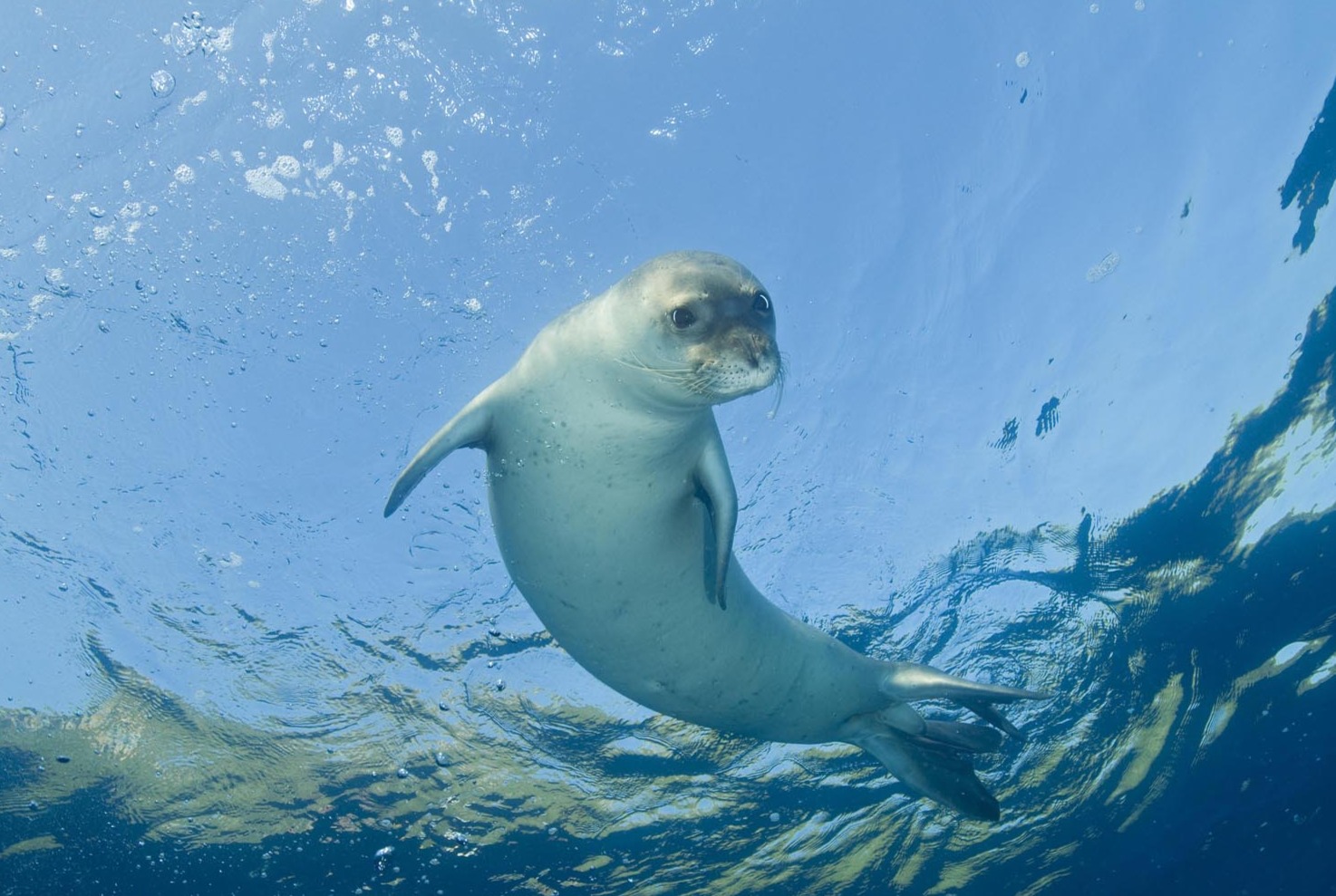
At the top of the Lycian Marine Life list is the Mediterranean Monk Seal (Monachus monachus), with an estimated population of only about 700-800 individuals remaining worldwide. The desolate caves between Kaş and Kekova are among the rare breeding grounds for these shy creatures. While catching a glimpse of them is a great stroke of luck, our greatest ethical responsibility is not to enter their habitats (caves) by boat and not to disturb them. For more information on the protection of this species, you can follow the work of specialized organizations such as SAD-AFAG.
Ancient Travelers of the Seas: Caretta Caretta
The most beloved members of the blue depths are undoubtedly the sea turtles. The Lycian coast is a critical feeding and breeding ground for both the Caretta Caretta (Loggerhead Sea Turtle) and the rarer Chelonia mydas (Green Sea Turtle). You can find detailed information about the nesting seasons of these creatures on our Lycian Nature Calendar page. Being mindful of nighttime light usage, especially on Patara Beach, is vital for the future of this species.
Masters of the Reef: Groupers (Orfoz and Lagos)
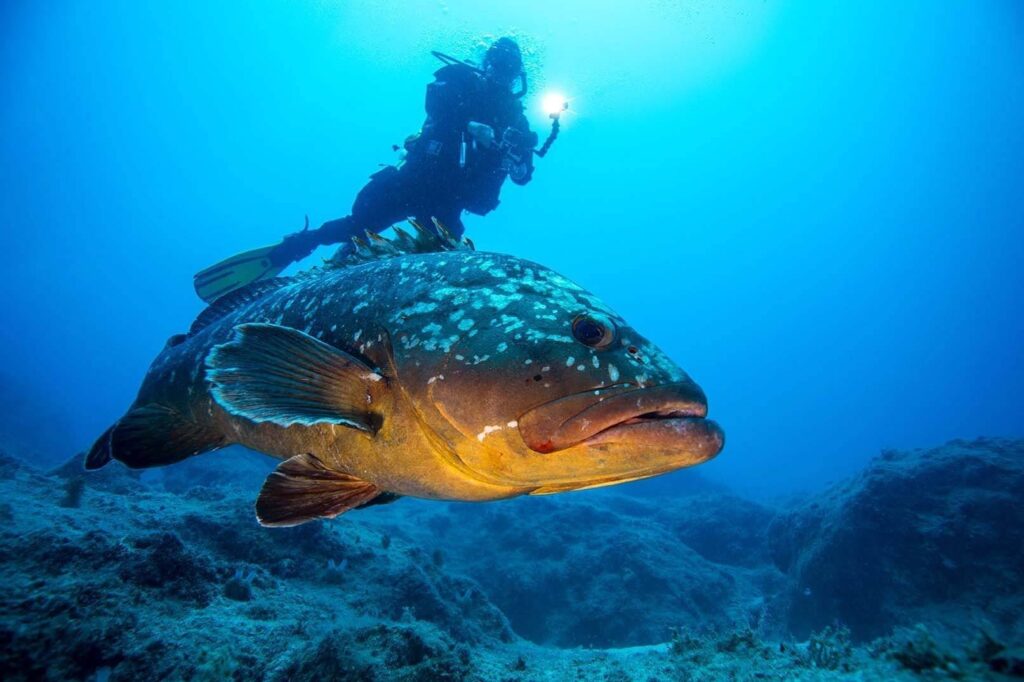
Among the Lycian Marine Life most frequently encountered by divers are the magnificent groupers. Thanks to the Kaş-Kekova Special Environmental Protection Area, these species can thrive safely.
- Orfoz (Epinephelus marginatus – Dusky Grouper): One of the most intelligent fish in the Mediterranean. As of 2026, their hunting is completely prohibited, which makes it possible to encounter individuals that have reached massive sizes in the waters of Kaş.
- Lagos: Living in the depths of the rocks, this species is one of the balancing predators of the ecosystem.
Seagrass Meadows (Posidonia Oceanica): The Lungs of the Mediterranean
While often overlooked, the most important element forming the foundation of underwater life is the Seagrass Meadows. These plants (which are flowering plants, not algae) filter the water, produce oxygen, and provide a home for thousands of species of Lycian Marine Life. Boats dropping anchor on these meadows can destroy a thousands-of-years-old ecosystem in minutes. For conservation measures, check out our Lycian Nature Conservation and National Parks Guide content.
The Mystery of Micro Life: Sea Slugs (Nudibranchs)
The world of Lycian Marine Life is not limited to giant groupers or sea turtles. For macro photography enthusiasts, the waters of Kaş are home to Nudibranchs, some of the most colorful and extraordinary creatures in the world. These invertebrates, which rarely exceed a few centimeters in size, are essentially the living jewels of the underwater world. Displaying color combinations rarely seen in nature, such as purple, orange, and neon blue, these creatures prove just how sensitive and detailed underwater biodiversity is. To spot them, you must move slowly and look carefully among the seagrass meadows.
Invasive Species and the Changing Ecosystem
The Mediterranean ecosystem is experiencing a shift due to warmer waters arriving via the Suez Canal.
- Lionfish and Pufferfish: Although these species exert pressure on local biodiversity, they provide vibrant subjects for underwater photographers. Please remain cautious of their venomous spines.
- Ecosystem Balance: Monitoring these invasive species is critical for scientists to understand the future of the Lycian seas.
To observe these rare creatures in their natural habitats and explore the underwater topography of the Land of Light, you can check out our Diving and Underwater Routes in Lycia guide.
Sustainable Diving and Observation Ethics
When exploring the depths of the blue, we must not forget that we are “guests.” Following these rules while observing Lycian Marine Life makes you an ethical traveler:
- No Touching, No Feeding: To avoid disrupting the natural behavior of the creatures, do not touch or feed them.
- Mind Your Buoyancy: Stirring up sand with your fins or striking reefs damages underwater plants.
- Choose Your Sunscreen: Opt for biodegradable sunscreens that do not harm marine life. For our detailed guide, check out our Sustainable Travel and Ethics Guide page.
Underwater Caves and Night Life
The geological structure of the Lycian coastline has created countless caves and crevices underwater. These dark yet vibrant spaces are natural sanctuaries for Lycian Marine Life. Shrimp, moray eels, and cardinal fish that hide in the depths of these caves during the day emerge to hunt at night. Night dives allow you to see that this mysterious ecosystem has a completely different face compared to the daytime. When using your light source, not blinding the creatures and not aiming directly at them is an essential part of underwater ethics.
Citizen Science and Observation Network
Photographing rare species or invasive fish you encounter during your dives and reporting them to organizations like TUDAV (Turkish Marine Research Foundation) is vital for tracking Lycian Marine Life populations. This allows scientists to analyze the effects of climate change on the Mediterranean using real-time data. A single photo of yours could lead to the discovery of a new species or trigger official protection measures.
❓ Frequently Asked Questions
Is there a risk of sharks in Lycian waters?
The shark species found in the Mediterranean generally stay in deep waters and do not pose a threat to humans. On the contrary, their presence is an indicator of a healthy ecosystem.
Do I need a license to dive in Kaş?
You do not need a license for introductory (discovery) dives, but they must be conducted under professional guidance.