
Sustainable Travel and Ethics Guide: Become a Guardian of Lycia
Sustainable travel means leaving a place as we found it, or better. The nature and ancient heritage of the Land of Light are both captivating and fragile. In a region that welcomes many visitors every year, every trace we leave and every choice we make has consequences. A sarcophagus that has stood for thousands of years can be damaged by one careless visitor, and a single cigarette end can burn a forest.
This guide brings together the ways to respect nature, ancient heritage and local communities while exploring Lycia. All the rules you meet on the other pages of our site are gathered here.
📌 Contents
- The Leave No Trace Principle
- On the Trails and the Lycian Way
- Preventing Forest Fires
- Protecting Ancient Heritage
- On the Shore and at Sea
- Plants and Endemic Species
- Ethical Contact with Wildlife
- Water and Energy
- Local People and the Local Economy
- Digital Ethics and Sharing Locations
- What to Pack
- Frequently Asked Questions
- References
Sustainable Travel: The Leave No Trace Principle
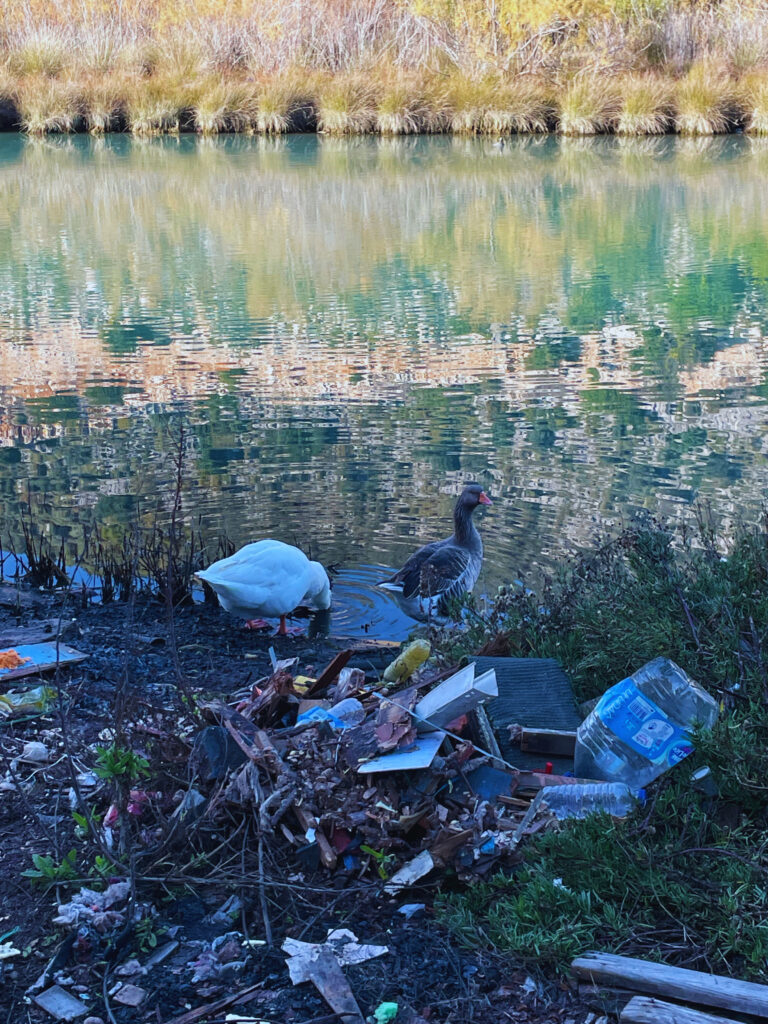
The first rule of sustainable travel is to leave no trace of your presence in nature. Known worldwide as “Leave No Trace”, this principle covers not only taking your rubbish home but also protecting the quiet and order of the natural world.
- Waste: Always carry a rubbish bag and take everything you bring back with you. Even organic waste such as fruit peel can last for months without rotting in a dry climate, and it teaches wild animals to rely on human food.
- Toilet: Where there are no toilets, keep well away from water sources, trails and campsites, and take toilet paper with you.
- Noise: Avoid loud music. The sound of nature is one of the best parts of exploring Lycia.
- Take nothing: Stones, plants, shells or ancient fragments; leave everything you see where it is.
On the Trails and the Lycian Way
- Stay on marked paths: Shortcuts and new trails wear away the soil and speed up erosion.
- Villages and fields: The Lycian Way passes through many villages, fields and gardens. Do not walk on crops or pick fruit, and close any gates you open.
- Flocks and dogs: Shepherd dogs protect their flocks. Approach calmly, do not walk through the flock and, if needed, wait for the shepherd.
- Camping: Camp only where it is allowed. Camping is not permitted at archaeological sites, on turtle nesting beaches or on private land.
For route information, see our Lycian Way guide.
Preventing Forest Fires
Covered in red pine forests and maquis, Lycia faces a very high risk of fire in summer and autumn. Most forest fires are caused by people, so as travellers our responsibility is great.
- Do not light fires: Never light campfires, barbecues or picnic fires in or near forests. Cook only on safe camping stoves, and do not use them on high-risk days.
- Cigarettes: Never drop cigarette ends on the ground or throw them from a car window.
- Entry bans: During periods of high fire risk, provincial governors may ban entry to forests. Check current announcements before you walk.
- If you see a fire: Call 112 immediately, describe the location as clearly as you can and move away from the area without putting yourself at risk.
- Glass and waste: Do not leave glass or plastic in nature. Fire and cigarette ends are the real danger, but every piece of litter is both a risk and pollution.
Protecting Ancient Heritage
Lycia’s rock-cut tombs, sarcophagi and theatres have stood for thousands of years, but they are vulnerable to the carelessness of modern visitors.
- Do not climb: Do not climb on tombs, sarcophagi or walls. It damages the structures and is dangerous.
- Do not write or carve: Writing on or scratching the stones causes irreversible damage.
- Take nothing: Collecting or buying pottery, coins, mosaic tesserae or architectural fragments is a crime under Law No. 2863 on the Conservation of Cultural and Natural Property. Stay away from “antiques” offered for sale as well.
- Treasure hunting: Lycia’s tombs have been looted by treasure hunters for centuries. If you see illegal digging, report it to the gendarmerie or the local museum directorate.
- Drones: Flying drones at archaeological sites requires a permit.
For information on the sites, see our Lycian Travel Guide.
On the Shore and at Sea
- Turtle beaches: From May to September, entering Türkiye’s sea turtle nesting beaches at night is prohibited and carries heavy fines. In Lycia, Patara and Çıralı are among these beaches. By day, do not touch nest markers, keep your umbrella outside marked areas and never drive on the sand.
- Light: At accommodation facing the beach, keep lights low at night. Artificial light prevents hatchlings from reaching the sea.
- Seagrass: Choose boats that use mooring buoys instead of anchoring on Posidonia meadows, and that leave their waste in port under the Blue Card system.
- Kekova: Swimming, diving and anchoring around the sunken remains are prohibited.
- Mediterranean monk seal: If you see a seal, do not approach. Do not enter coastal caves, which seals use for resting and giving birth.
- Fish: In restaurants, choose fish that are in season and of legal size, and respect closed fishing seasons.
- Plastic: Avoid single-use plastic. Plastic in the sea is one of the greatest threats to turtles and fish.
For details, see our Lycian Coast and Lycian Boat Tours pages.
Plants and Endemic Species
Lycia is home to many endemic plants found nowhere else in the world.
- Photograph, do not pick: Do not pick orchids, sea daffodils or other wild flowers, or dig up their bulbs. Picking plants is prohibited in protected areas, and fines for collecting orchids and endemic plants without permission are very high.
- Salep: Wild orchid tubers are harvested to make salep, one of the main threats to orchids. Do not buy salep of unknown origin.
- When taking photographs: Avoid trampling the plants around a rare flower.
For the region’s plants, see our Lycian Flora page, and for species unique to the region, our Endemic and Rare Species of Lycia article.
Ethical Contact with Wildlife
- Do not feed: Feeding wild animals disrupts their natural behaviour, makes them dependent on people and can spread disease.
- Distance: Watch animals from a distance. Do not approach or chase them for a photograph.
- Do not take them: Never take tortoises, salamanders or any other animal from the wild.
- Birds: Do not fly drones near nests or use recorded calls to attract birds.
- Injured animals: If you find an injured sea turtle, seal or other wild animal, do not touch it and call 112.
For the region’s animals, see our Lycian Fauna page.
Water and Energy
Summers in Lycia are long and dry, and many villages and towns depend on limited water supplies.
- Keep showers short and do not leave taps running.
- Do not ask for towels and sheets to be changed every day.
- Carry a refillable bottle. Many guesthouses and cafés will help you refill it.
Local People and the Local Economy
Sustainable travel begins with a respectful relationship with the people who live here.
- Choose local: Staying in family guesthouses, eating in village restaurants and shopping at village markets keeps tourism income in the region.
- Licensed guides: For guided visits, choose tourist guides licensed by the Ministry of Culture and Tourism, and licensed operators for tours and boat trips.
- Photographs: Ask permission before photographing people, especially children.
- Dress: Dress respectfully in villages and places of worship.
- Private property: Do not enter gardens, courtyards or private spaces in villages without permission.
Digital Ethics and Sharing Locations
A single photo shared on social media can bring crowds to a place within months.
- Do not share the locations of rare species: When you photograph an orchid, salamander or other rare species, do not share its exact location. These species can vanish when people collect them from known sites.
- Sensitive places: For natural areas that are not ready for crowds, use a general location instead of exact GPS coordinates.
- Set an example: Do not share images of people climbing on ruins, feeding animals or picking flowers.
What to Pack
- A rubbish bag
- A refillable water bottle
- Sturdy, closed shoes
- A hat and sunscreen
- Binoculars, for watching wildlife from a distance
- A safe camping stove instead of an open fire, used only where permitted
❓ Frequently Asked Questions (FAQ)
Is it a crime to take a small stone or piece of pottery from an archaeological site?
Yes. Every fragment at an archaeological site is protected by Law No. 2863 on the Conservation of Cultural and Natural Property. Collecting, buying or taking such items out of the country is a crime.
What should I do if I find an ancient object?
Do not touch or move it. Note its location and report it to the nearest museum directorate or the gendarmerie.
Can I fly a drone in Lycia?
Flying drones at archaeological sites and in protected areas requires a permit. Also avoid flying near nests and wildlife.
Why is the turtle beach closed at night?
Turtles lay their eggs at night, and hatchlings race to the sea at night. People and lights disturb them, which is why nesting beaches are closed at night from May to September.
References
- Leave No Trace Center for Outdoor Ethics: The Leave No Trace principles
- Law No. 2863 on the Conservation of Cultural and Natural Property
- Ministry of Agriculture and Forestry of the Republic of Türkiye: General Directorate of Forestry; General Directorate of Nature Conservation and National Parks
- Ministry of Environment, Urbanisation and Climate Change: Specially Protected Areas and the Blue Card system
- DEKAMER: Sea Turtle Research, Rescue and Rehabilitation Centre
- Culture Routes Society: The Lycian Way