
A Crossroads Town among the Cedar Forests
Neisa Ancient City is a Lycian city on Meryemlik hill near the village of Sütleğen, north of Kaş. It lies in mountainous country on the western foothills of the Bey Mountains, near the upper basin of the Xanthos (Eşen) River. Ancient sources give its name as Neisa, Nisa or Nysa.
Neisa was not a large city, but its remains show that in the Roman period it had an orderly urban life, with its own theatre, baths and paved street.
History
The oldest visible structures are the city’s Hellenistic walls. Neisa minted coins in its own name, and it is mentioned by the ancient geographer Ptolemy and in Hierocles’ 6th-century list of Eastern Roman cities.
The most important source for understanding Neisa is the Patara Road Monument (AD 45/46). It places Neisa at a junction of the roads linking Xanthos and Kandyba to Elmalı, making the city an important stop between the coast and the interior.
In the 2nd and 3rd centuries AD, several members of Neisa’s Dionysios family rose to the office of Lyciarch, the highest post in the Lycian League, showing that families from even a small mountain town could have a say in regional government.
In the Eastern Roman (Byzantine) period Neisa was a bishopric under Myra. Its only bishop known by name, Georgios, attended the Second Council of Nicaea in 787.
The Cedar Forests and Neisa
Ancient sources describe the country around Neisa as rich in cedar forests, and an inscription from the area mentions woodcutters working in the forest. Researchers believe the city’s wealth came largely from forestry. Cedar was a highly valued timber for ships and buildings in the ancient world. For the region’s plant life today, see our Lycian Flora page.
What to See at Neisa Ancient City
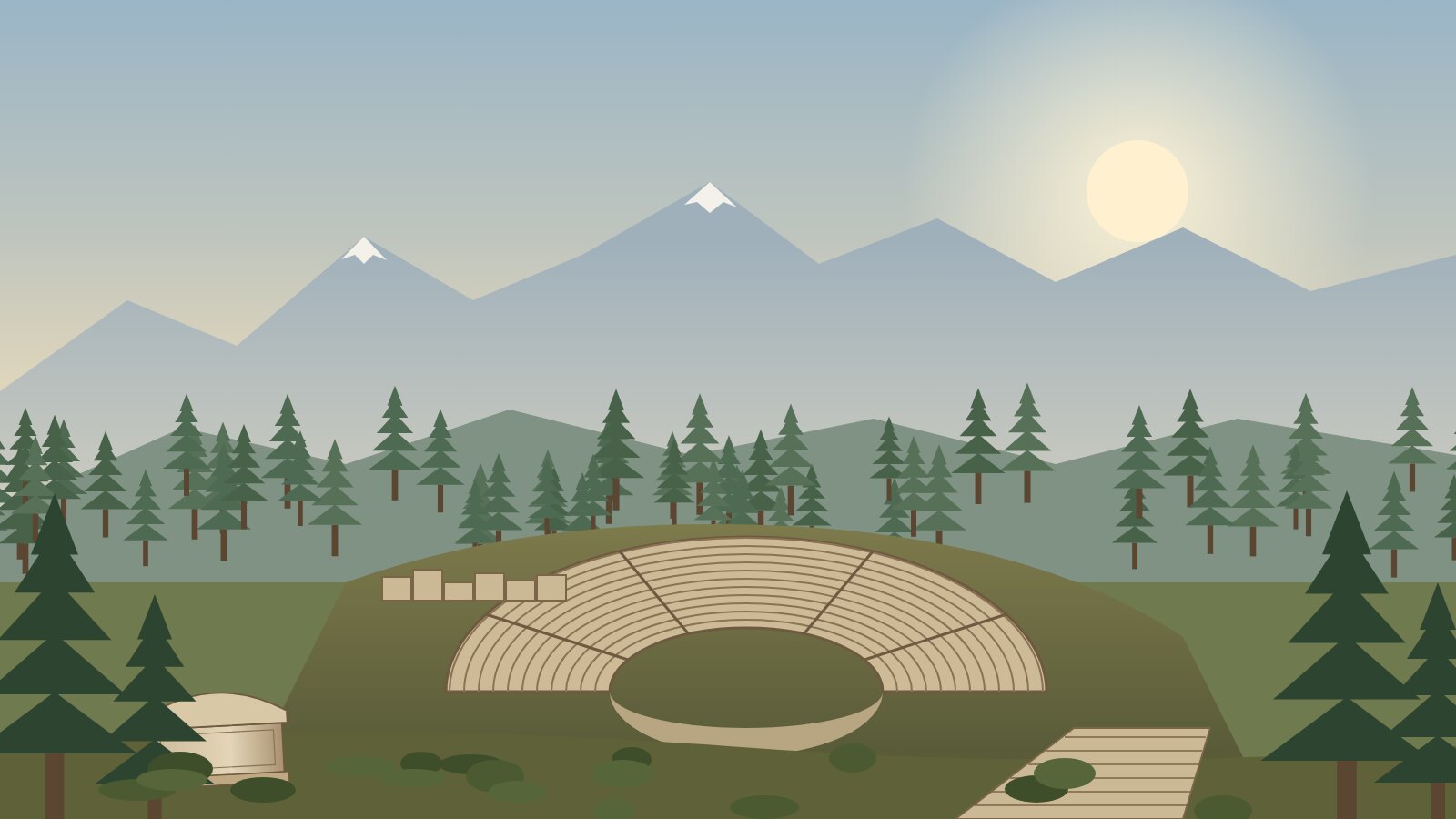
- Theatre: The best-preserved building, with 22 rows of seats.
- Paved street: The main street stands out for its well-preserved stone paving and may also have served as a stadium.
- Baths: Three separate bath buildings can be seen.
- Agora and stoa: A paved square with a colonnaded hall.
- Necropolis: Sarcophagi and built tombs stand west of the city.
- Walls: Defensive walls from the Hellenistic period.
Visiting Information
Neisa has not been systematically excavated. The site is reached by the road from Kaş towards Sütleğen, from where paths lead up the hill. Entry is free and there are no visitor facilities. Because of the altitude, the weather can be cooler than on the coast; spring and autumn are the best times to visit. The remains are scattered, so asking locals for directions helps.
❓Frequently Asked Questions
Where is Neisa Ancient City?
On Meryemlik hill near the village of Sütleğen, north of Kaş.
Why is Neisa important?
According to the Patara Road Monument, it stood at a junction of the roads linking Xanthos and Kandyba to Elmalı, and its families rose to the highest offices of the Lycian League.
What can be seen at Neisa?
A theatre with 22 rows of seats, a paved main street, three baths, the agora, sarcophagi and Hellenistic walls.
Image: Voice of Lycia illustration.