Lycian Art and Events: From Stone to Stage
This guide to Lycian Art and Events tells the story of the Land of Light’s art from two places: stone and stage. Thousands of years ago, the Lycians buried their dead in rock-cut tombs modelled on wooden houses, adorned their monuments with reliefs and gathered thousands in their theatres. Today, in the same landscape, centuries-old wrestling grounds, weaving looms, harvest celebrations and concerts under the stars keep this heritage alive.
On this page you will find where to see the artistic heritage of ancient Lycia, the region’s living traditions, its crafts and a seasonal calendar of events.
📌 Contents
- The Art of Stone: The Heritage of Ancient Lycia
- Ancient Stages Today
- Living Traditions
- Crafts and Workshops
- A Seasonal Events Calendar
- The Voice of Lycia Art Movement
- Responsible Participation
- Frequently Asked Questions
- References
The Art of Stone: The Heritage of Ancient Lycia
Lycian art blends Anatolia’s own traditions with influences from the Persian and Greek worlds in a language of its own. Its best-known expression is the rock-cut tomb, which translates timber house architecture into stone. The tomb façades in the cliffs of Myra, Tlos, Pinara and Fethiye, with their beams, roofs and doors, are stone copies of Lycian houses.
- Xanthos: The relief-decorated Harpy Monument and the pillar inscribed in Lycian are among the finest examples of Lycian sculpture and writing.
- The painted tombs of Elmalı: The wall paintings of the tombs at Kızılbel and Karaburun date to the 6th and 5th centuries BC and are among the oldest wall paintings in Anatolia. They are closed to visitors for their protection.
- Museums: The trilingual inscription from Letoon, written in Lycian, Greek and Aramaic, is in the Fethiye Museum. The Museum of Lycian Civilisations in Demre and the Antalya Museum also display important finds from the region.
- Abroad: The Nereid Monument and the Tomb of Payava from Xanthos are now in the British Museum in London, and the reliefs of the Heroon of Trysa (Gölbaşı) are in Vienna.
You can read the history of the cities and the stories of these works on our Ancient Cities pages.
Ancient Stages Today
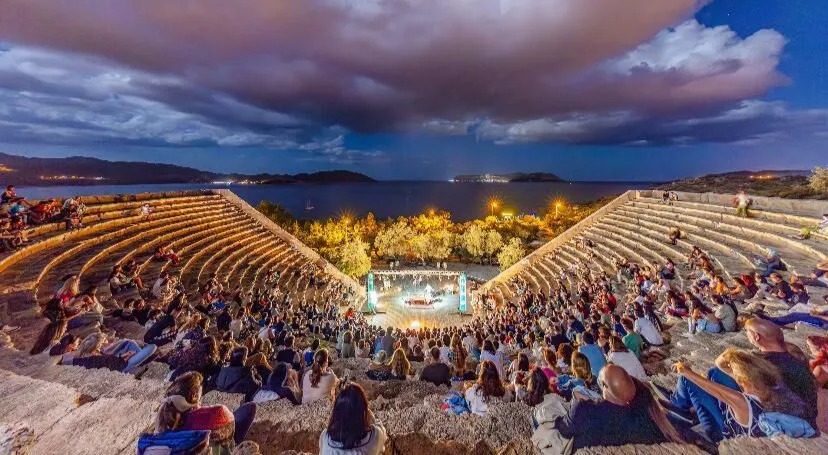
Lycia’s ancient theatres and assembly buildings still occasionally host concerts, performances and special events. The theatre of Antiphellos in the heart of Kaş, facing the sea, is a stage of its own at sunset. The restored Assembly Building at Patara lets you watch an event in the very place where the Lycian League met.
Events at ancient sites require permission from the Ministry of Culture and Tourism and are not held every year. Follow announcements from the Ministry and the local municipalities. In summer, Patara can also be visited in the evening as part of the night opening programme. See our Lycian Travel Guide for details.
Living Traditions
- Historic Elmalı Oil Wrestling: Held every September and traditionally traced back to the 14th century, it is one of the oldest oil wrestling events in Türkiye.
- Dastar and Morel Festival: Held in spring in Yeşilüzümlü, Fethiye, it celebrates dastar, the traditional cloth woven on hand looms, and the region’s morel mushrooms (kuzugöbeği).
- St Nicholas commemoration: A service is held every year on 6 December at the Church of St Nicholas in Demre, attended by visitors from Türkiye and abroad.
- Harvest seasons: The grape and apple harvests in Elmalı in September, the olive harvest from late autumn into winter and the orange harvest in Finike in winter shape the region’s calendar. See our Lycian Gastronomy guide for more.
Crafts and Workshops
The traces of Yörük culture live on in Lycia’s crafts. Kilims and saddlebags woven in the highland villages can still be found at Elmalı’s Friday market, while the tradition of dastar weaving continues around Üzümlü in Fethiye.
Galleries and art studios in Kaş and Fethiye are good places to see the work of local artists and to join short workshops in ceramics, painting or weaving. Programmes change with the seasons, so ask in advance.
A Seasonal Events Calendar
| Season | Event | Place |
|---|---|---|
| Spring | Dastar and Morel Festival | Yeşilüzümlü, Fethiye |
| Summer | Night openings, open-air concerts | Patara and various ancient sites |
| September | Historic Elmalı Oil Wrestling | Elmalı |
| Autumn | Grape harvest, olive harvest | Elmalı, coastal villages |
| 6 December | St Nicholas commemoration | Demre |
| Winter | Orange harvest | Finike |
Dates may change from year to year. Check with the organisers or local municipalities before you go.
The Voice of Lycia Art Movement
Voice of Lycia also runs an art movement that brings the region’s nature and heritage together through art. To learn about this movement, where artists share work inspired by Lycia, and to take part, visit our Art Movement page.
Responsible Participation
- At events in ancient sites, do not climb on stones outside the seating areas or touch the structures.
- Take your rubbish with you at festival sites, and be careful of fire risk, especially near the coast and forests.
- Buying crafts directly from their makers helps keep these traditions alive.
For more tips, see our Sustainable Travel and Ethics Guide.
❓ Frequently Asked Questions
How do I find tickets for concerts in ancient theatres?
Events are usually announced through the organisers’ own channels and ticketing platforms. Follow the events calendar on the Culture Portal and announcements from the local municipalities.
Where can I best see ancient Lycian art?
On site, Xanthos, Myra, Tlos and Pinara; in museums, the Fethiye Museum, the Museum of Lycian Civilisations in Demre and the Antalya Museum are the best places to start.
Do I need to book art workshops in advance?
Most workshops have limited places, so booking ahead is recommended, especially in summer.