
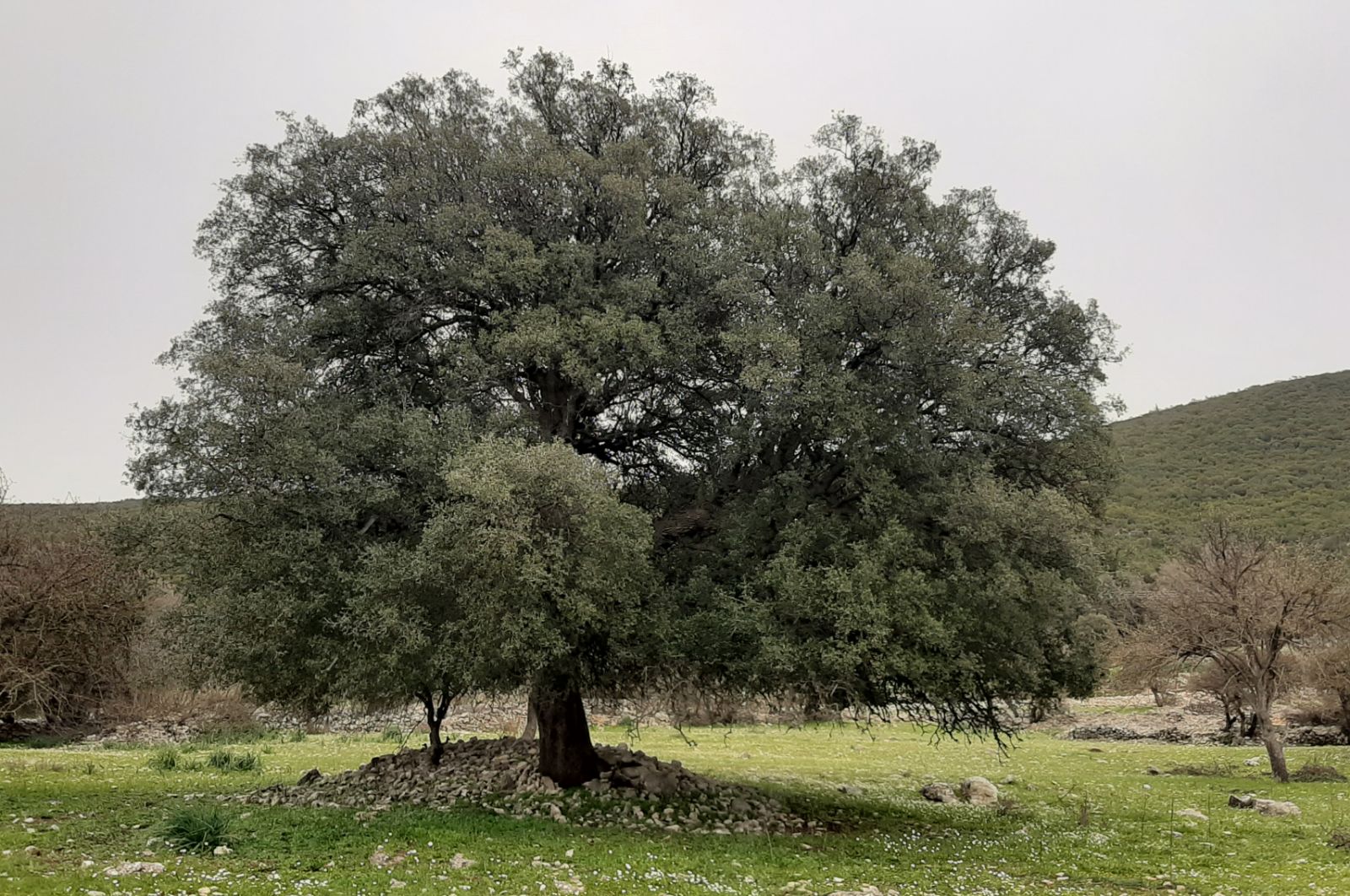

True Mediterranean Forest Zone of Lycia: The Green Heart of Nature
The Lycian True Mediterranean Forest Zone is the region’s most lush and productive layer, beginning after the coastal maquis cover (0-800m) and generally climbing to altitudes of 1,200-1,500 metres. This is an area where all the characteristic features of the Mediterranean climate take form as forest. From vast red pine forests resistant to summer drought to oak communities that shed their leaves in winter, this zone forms both the lungs of Lycia and its richest biodiversity reservoir.
The Lycian True Mediterranean Forest Zone the most preferred route for nature hiking and “forest bathing” (shinrin-yoku) in 2026 ecotourism trends is also the main refuge for the region’s wildlife. In this guide, we will examine Lycia’s strategic green zone, its species and ecosystem characteristics in full detail.
📌 Contents
- Transition Zone Ecology: Life Between 800m and 1200m
- The Architect of the Forest: Red Pine (Pinus brutia) Communities
- Oaks and Mixed Forests: Lycia’s Genetic Heritage
- Forest Understorey Flora: Shrubs and Aromatic Plants
- Wildlife in the Lycian True Mediterranean Forest Zone
- Sustainability and Protection Against Forest Fires
Transition Zone Ecology: Life Between 800m and 1200m
The Lycian True Mediterranean Forest Zone is the area where the “humid Mediterranean” climate type is most distinctly felt. The scorching heat of the coastline gives way here to a cooler and rainier climate. This altitude range offers a golden balance for plants: sufficient sunlight and soil moisture accumulated during winter.
This zone is a junction point where maquis plants grow taller and take on shrub-tree form, while high mountain plants (Cedar, Juniper) reach their lower boundaries. If you are curious about the species at the lower boundary of this zone, see our Lycian Maquis Plants page; for the monument trees at the upper boundary, explore our Lycian High Mountain Zone guide.
The Architect of the Forest: Red Pine (Pinus brutia) Communities
The undisputed ruler of the Lycian True Mediterranean Forest Zone is the Red Pine. This tree, which shows its widest and healthiest distribution along Turkey’s southern coasts, defines the visual identity of the Lycian geography.
- Resistance Mechanism: Red pines minimise water loss thanks to their resinous structure.
- Ecosystem Service: These forests are of vital importance for beekeeping activities. Pine honey, produced through the symbiotic relationship with the pine scale insect (Marchalina hellenica), is one of the most valuable products of Lycian Gastronomy culture.
- Historical Significance: Red pine timber from this zone was used in the construction of ancient Lycian cities and shipbuilding.
Oaks and Mixed Forests: Lycia’s Genetic Heritage
Despite the dominance of red pines, very rich oak communities are found in valley interiors and north-facing slopes within the Lycian True Mediterranean Forest Zone.
- Holm Oak (Quercus ilex): The most resilient element of the forest with its evergreen and hard leaves.
- Anatolian Valonia Oak (Quercus ithaburensis): An important shade and food source for livestock with its thick trunk and wide crown.
- Lebanese Oak and Sessile Oak: Rare species found at the more humid points of this zone that require protection.
Forest Understorey Flora: Shrubs and Aromatic Plants
The Lycian True Mediterranean Forest Zone consists not only of trees — the forest floor is a true treasure in terms of plant diversity. In areas where light filters through the tree branches, some species familiar from the maquis zone reach enormous dimensions.
- Strawberry Tree (Arbutus andrachne): The most aesthetic plant of this zone with its red, smooth trunk.
- Strawberry Tree (Arbutus unedo): This shrub-like tree, bearing fruit in autumn, is the main food source for forest birds.
- Mediterranean Laurel and Myrtle: Following humid stream beds, these species transform your forest walks into a natural aromatherapy session with the volatile oils they release into the air.
Wildlife in the Lycian True Mediterranean Forest Zone
This forest zone is home to Lycia’s largest mammals and rare birds. The dense tree structure and steep rocks provide safe breeding areas for animals.
- Mammals: Wild boar, fox, badger and occasionally the Caracal are inhabitants of this zone. For more details, read our Lycian Mammals page.
- Birds: The coal tit, Anatolian nuthatch and snake eagles — rulers of the sky — soar above this zone. See our Lycian Birds guide for bird watching routes.
Sustainability and Protection Against Forest Fires
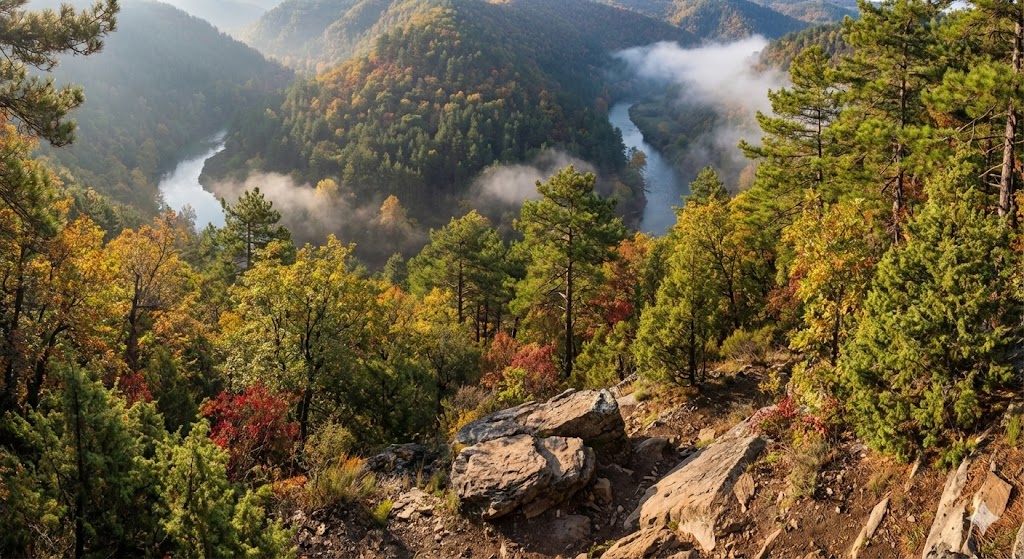
The Lycian True Mediterranean Forest Zone is unfortunately under the threat of increasing forest fires due to the climate crisis. Protecting this sensitive ecosystem means protecting the future of the Land of Light.
- Responsible Visitor: Never light fires on forest roads and never leave glass waste behind.
- Biodiversity Monitoring: Support the work of local authorities in monitoring invasive species and protecting the natural forest structure.
- Ethical Hiking: To avoid damaging the vegetation while walking in the forest, stay on designated trails. Be sure to check our Sustainable Travel and Ethics Guide page for detailed rules.
📚 Scientific Sources and Flora Monitoring
To access technical data on plant communities, forest management plans and species distribution in the Lycian True Mediterranean Forest Zone, you can visit the official OGM (General Directorate of Forestry) website and Turkey’s plant database TUBIVES platform. It is also possible to review WWF Turkey pages for global reports on the conservation of Mediterranean forest ecosystems.
❓ Frequently Asked Questions
What is the most suitable month to visit the Lycian True Mediterranean Forest Zone?
April and May are the period when understorey flowering is most intense and temperatures are most ideal for hiking. October-November is preferred for mushroom diversity and autumn colour change.
Is camping safe in this area?
Camping should only be done in designated and permitted camping areas. Due to wildlife and fire risk, avoid staying in uncontrolled areas. See our Lycian Accommodation Guide page for accommodation options.
Is it permitted to collect plants from the forest (Laurel, Thyme etc.)?
While collecting very small amounts for personal consumption without causing damage is tolerated, collecting for commercial purposes or uprooting plants is prohibited and carries heavy penalties.