
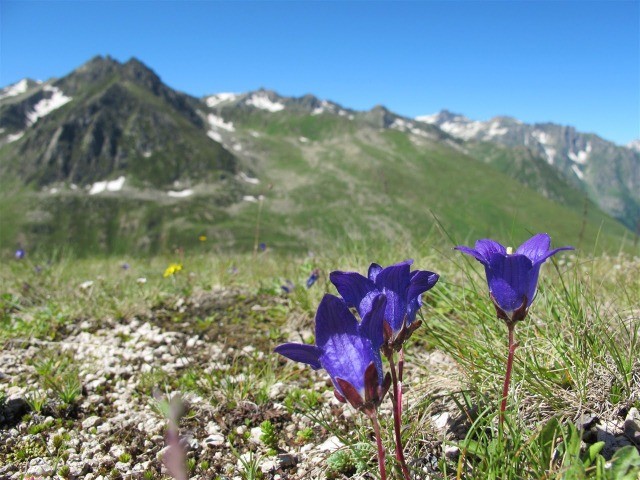

Lycian Alpine Plants: The Mysterious Life at 2,400 Metres
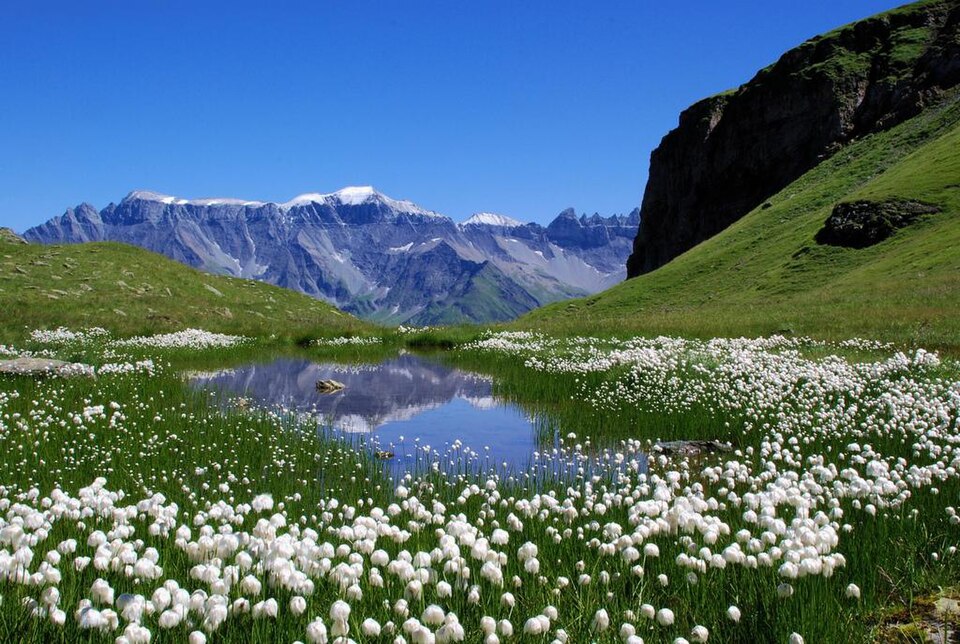
Welcome to the highest, most challenging and most fascinating point of the Lycian geography. This zone, stretching from 2,400 metres up to summits such as Kızlar Sivrisi at 3,070 metres, is a place where nature’s limits are tested. Lycian Alpine Plants have developed miraculous survival strategies at these high altitudes where low temperatures, fierce winds and intense ultraviolet radiation prevent trees from taking hold.
This is a unique alpine meadow world where plants “dwarf” themselves to shelter from the wind, press flat against the soil like a cushion and spend most of the year sleeping beneath a thick layer of snow. These plants, the closest witnesses of the Land of Light to the sky, form the rarest pieces of the region’s biological heritage.
📌 Contents
Survival Strategies at the Summits
For Lycian Alpine Plants, 2,400 metres and above means a constant struggle for survival. The reason trees cannot grow at this altitude is not only the cold but also the fact that the protection mechanisms preventing plants from drying out through water loss have reached their limits.
- Cushion Form: To protect themselves from the drying effect of the wind and freezing cold, plants develop hemispherical forms pressed flat against the soil. This structure creates a warmer and more humid microclimate at the plant’s centre.
- Hairiness and Colour: To protect themselves from intense sunlight, many species cover their leaves with silvery hairs. These hairs act as a shield reflecting harmful UV rays.
Lycian Alpine Plants and Endemism Rate
Why are Lycian Alpine Plants so special? The answer lies in geographical isolation. Each high summit (Tahtalı, Akdağlar, Beydağları) is like an “island” surrounded by lowland plains. Plants trapped on the peaks of these mountains have, over thousands of years, evolved into species unique to that summit alone (local endemics).
More than approximately 40% of the alpine species in the region are unique to Turkey alone, with a large proportion found only in the Lycian mountains. For more information on the conservation efforts protecting this rare flora, see our Lycian Nature Conservation and National Parks Guide.
The 5 Most Resilient Species of the Summits
Here are the most characteristic Lycian Alpine Plants you will encounter on a journey to Lycia’s summits:
1. Spiny Cushion Plant (Acantholimon lycaonicum)
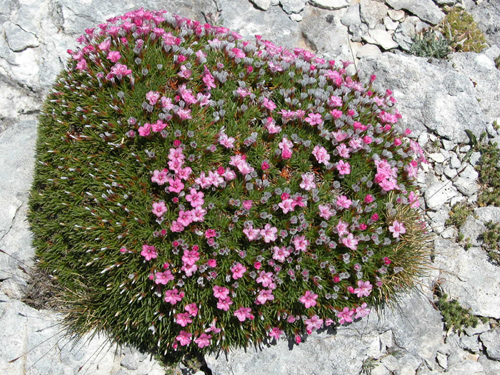
The erosion warrior of the summits. Its hard and spiny structure holds the soil together like a net. In summer, tiny pink flowers bursting from these spiny cushions transform the rocky terrain into a living painting.
2. Alpine Milk Vetch (Astragalus angustifolius)
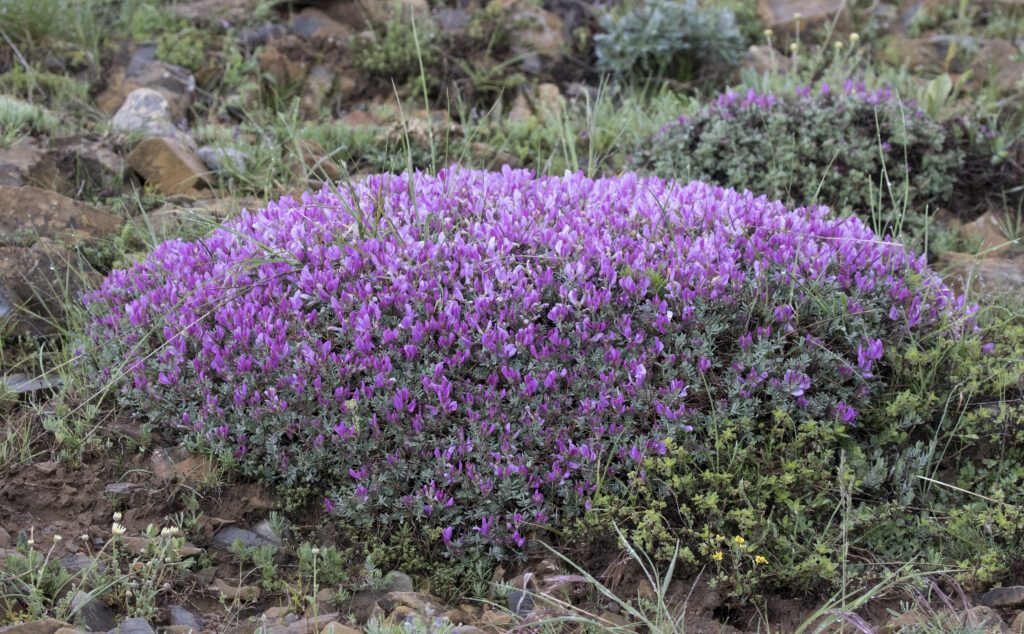
Known for its spiny and dense branches. Completely covers the soil surface, trapping moisture. One of the most successful survivors on the Lycian summits, acting as a protective “nurse plant” for other more sensitive species.
3. Rock Whitlowgrass (Draba sp.)
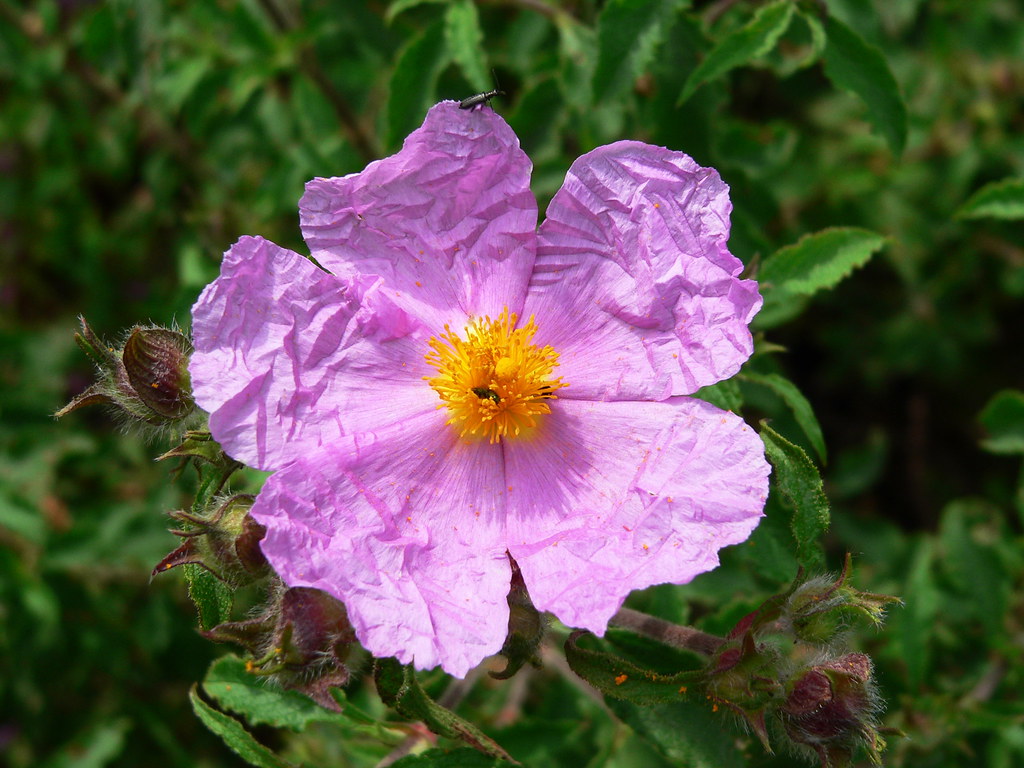
This tiny gem, growing only a few centimetres tall, makes do with even the smallest moisture seeping through rock crevices. Incredibly cold-resistant and among the first flowers to bloom as the snow melts.
4. Mountain Pink (Dianthus sp.)
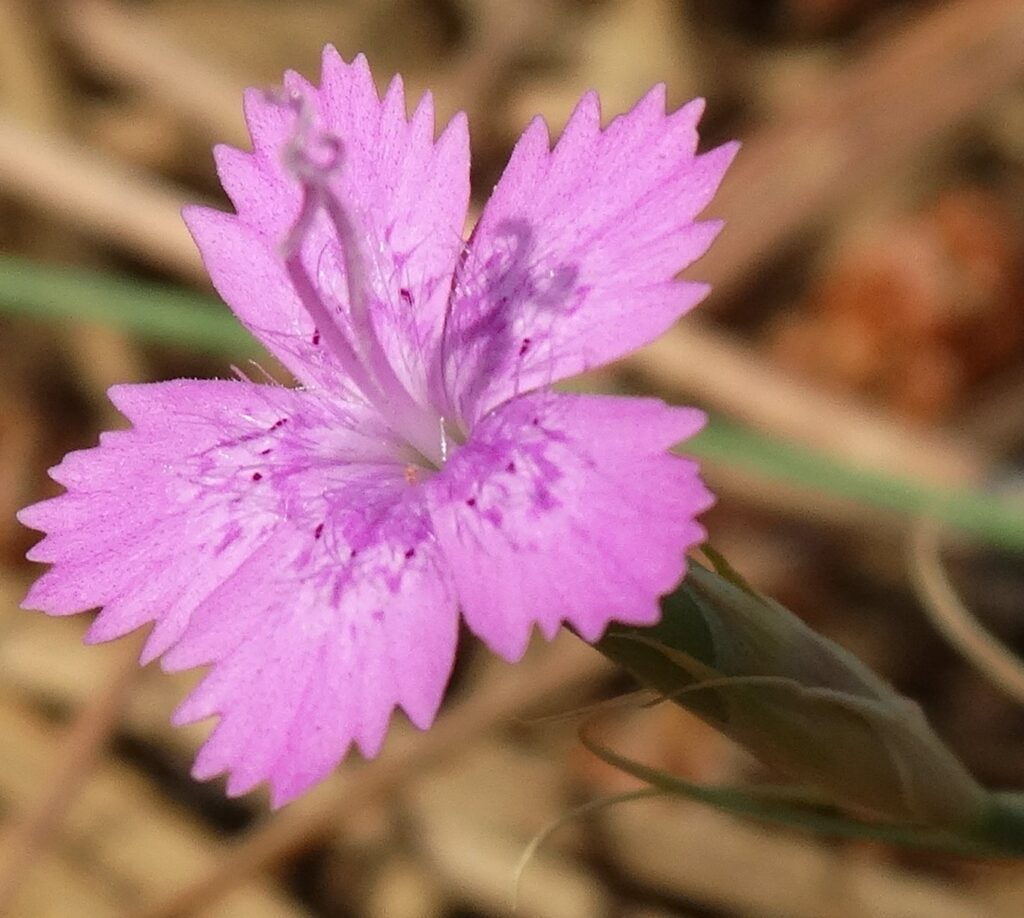
Much more compact and resilient than coastal carnations. Stands out with its pinkish flowers on rocky slopes. Many local endemic species unique to the Lycian mountains hold great importance in world botanical literature.
5. Lycian Crocus (Crocus sp.)
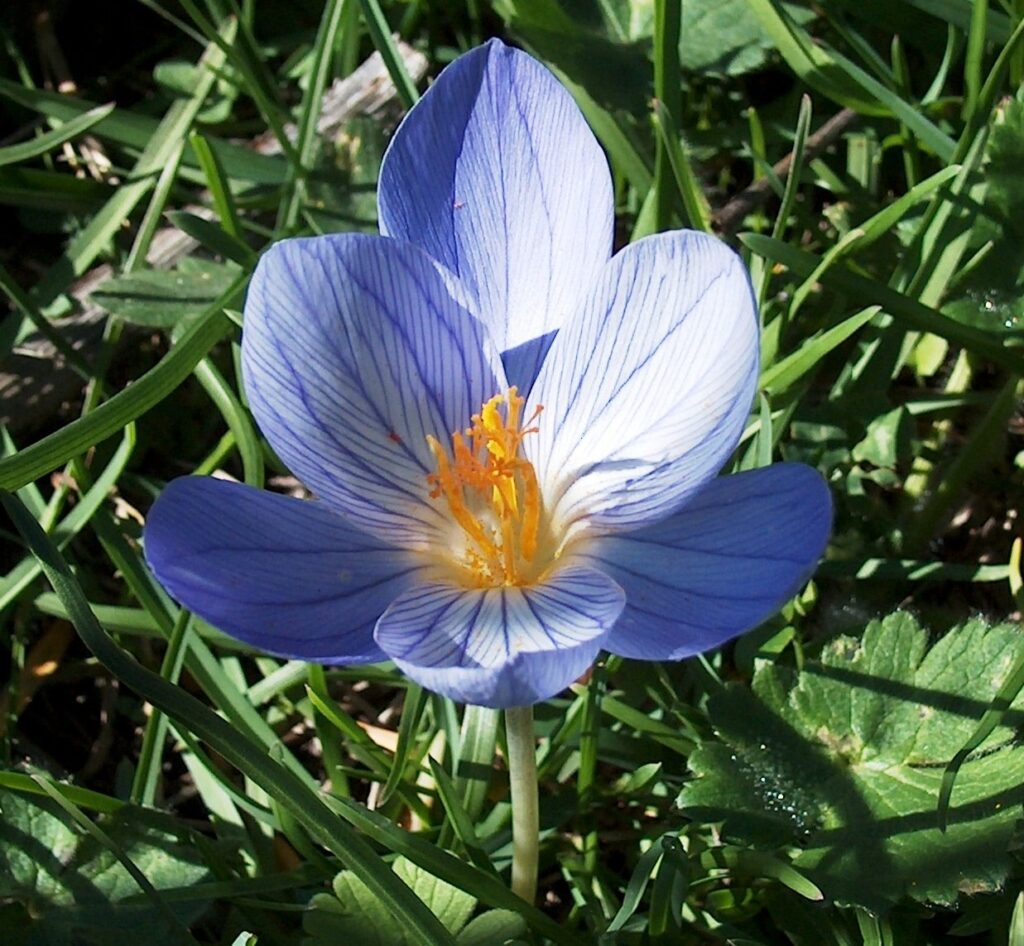
The first to peek out from under the snow — a symbol of hope. You can follow the observation times of these harbingers of spring on Lycian summits on our Lycian Nature Calendar page.
The Impact of Climate Change on the Summits
Lycian Alpine Plants are currently under a major threat. Due to global warming, plants from lower altitudes are climbing upwards while plants already at the summit have nowhere left to go. This is known as “summit syndrome”. Scientific data on the monitoring and protection of these sensitive plants is being collected through platforms such as TUBIVES (Turkish Plant Data Service) and the IUCN Red List.
Nature Observation and Ethics in the Alpine Zone
Climbing to the summits requires not only physical strength but also great responsibility. Observing these rules while watching Lycian Alpine Plants is essential to protect this heritage:
- Do Not Step on Plants: Alpine plants grow very slowly. Growing just one centimetre can take 10 years. A single footprint can destroy decades of growth.
- Do Not Collect Samples: Do not say “one won’t hurt”. Uprooting or collecting endemic species is both illegal and harmful to the ecosystem.
- Do Not Move Rocks: Rock crevices are micro-habitats where plants take shelter. Moving a rock can cause that plant to dry out.
- Leave No Waste: Decomposition is very slow at high altitudes. Even a single fruit peel can upset the balance of the ecosystem. Be sure to visit our Sustainable Travel and Ethics Guide page for detailed ethical rules.
❓ Frequently Asked Questions
What is the best time to see alpine plants in Lycia?
Late May to mid-July, when the snow begins to melt, is the most colourful and vibrant period for the summits.
Can these plants be grown in a garden?
No. Alpine plants require very specific pressure, UV light and temperature conditions. When removed from their natural habitat they generally cannot survive.