

Hidden Life Among the Stones: Lycian Reptiles and Amphibians
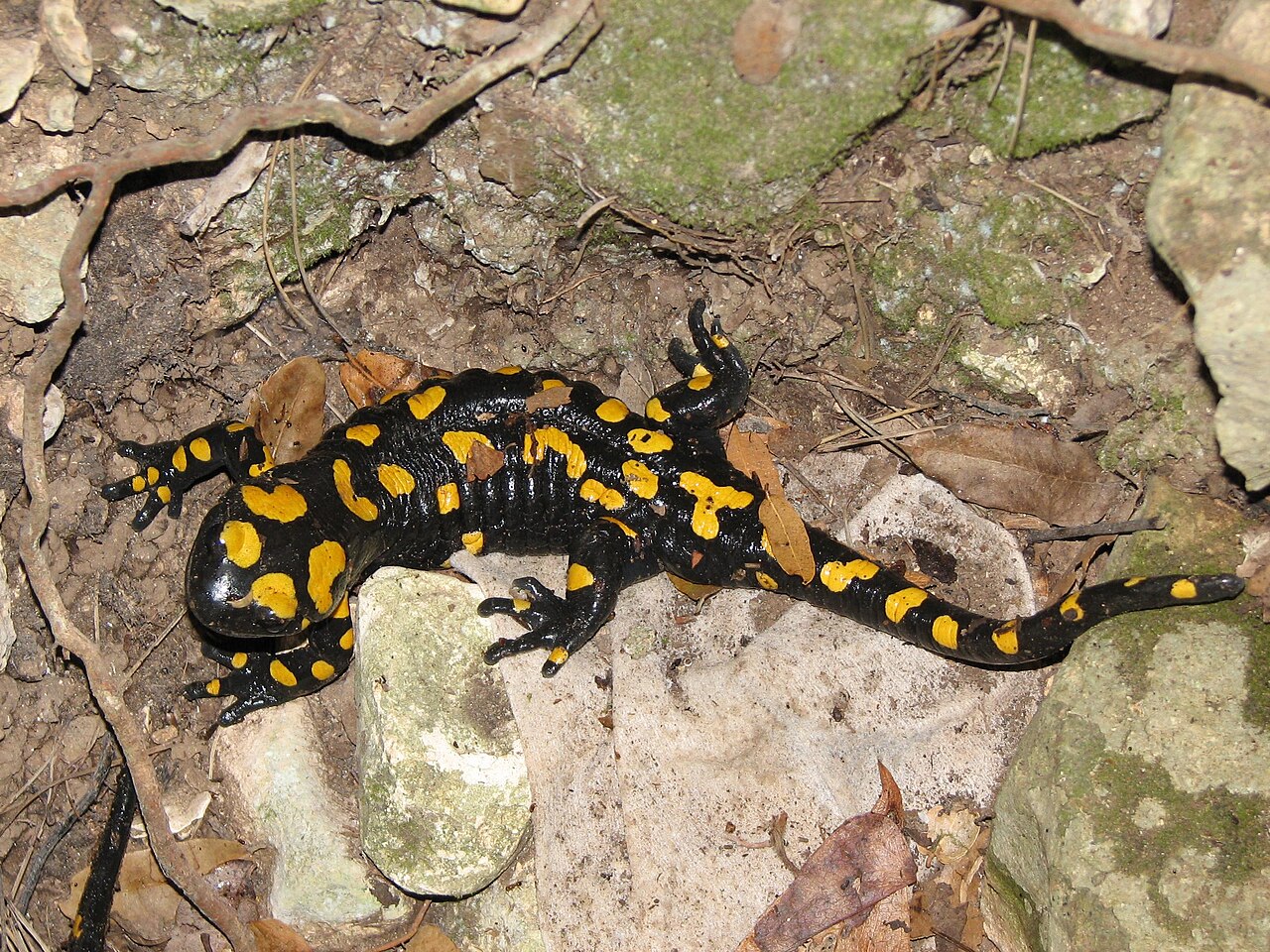
Lycian Reptiles and Amphibians are the most exclusive representatives of the cold-blooded world that come to life in the limestone cliffs, humid valleys, and sun-drenched maquis areas of the Land of Light. This category represents perhaps the most “valuable” part of the region biologically; because a creature you encounter here may not be found anywhere else in the world. Endemic species, such as the Lycian Salamander which gives the region its name, are the greatest evidence of how the evolutionary process has followed a unique path in this geography.
From the peaks of the Taurus Mountains to the coastal dunes, a life cycle that has remained unchanged for millions of years lies hidden beneath every step you take and every stone you lift. In this guide, we will explore these mysterious inhabitants of Lycia, their habitats, and ways to protect them in depth. Thanks to this comprehensive Lycian Reptiles and Amphibians guide, you will learn in detail where each species can be observed.
📌 Contents
- Endemic Masterpiece: Lycian Salamander
- Children of the Sun: Lycian Lizards
- Tortoises: Wisdom of Slowness
- Snakes and Legends: Common Misconceptions
- Nature Observation and Photography Ethics
Endemic Masterpiece: Lycian Salamander (Lyciasalamandra)
The undisputed star of the Lycian Reptiles and Amphibians list is the Lycian Salamander, which exists globally only in specific microclimates of this region. Revitalized by the Mediterranean winter rains, these creatures are among the most beautiful examples of endemism.
- Life Cycle: Unlike traditional amphibians, Lycian Salamanders do not pass through a water-dependent larval stage. They give birth to their young live on land.
- Observation Time: On rainy nights during the winter and spring months, the chances of spotting them increase, particularly on the humid forest floors around Fethiye and Kaş. You can check our Lycian Nature Calendar page for a detailed schedule.
- Species Diversity: Scientists have identified different subspecies in the region, such as Lyciasalamandra flavimembris and L. antalyana. Each has evolved according to the isolated conditions of the valley it inhabits.
Children of the Sun: Lycian Lizards
Lizards are the group of Lycian reptiles most frequently encountered among the sun-drenched ancient city ruins and maquis vegetation of Lycia.
- Hardun (Starred Agama): This large-bodied species, which sunbathes on ancient walls and can change color when threatened, is one of the symbols of Mediterranean fauna. You can often see them on the steps of ancient theaters.
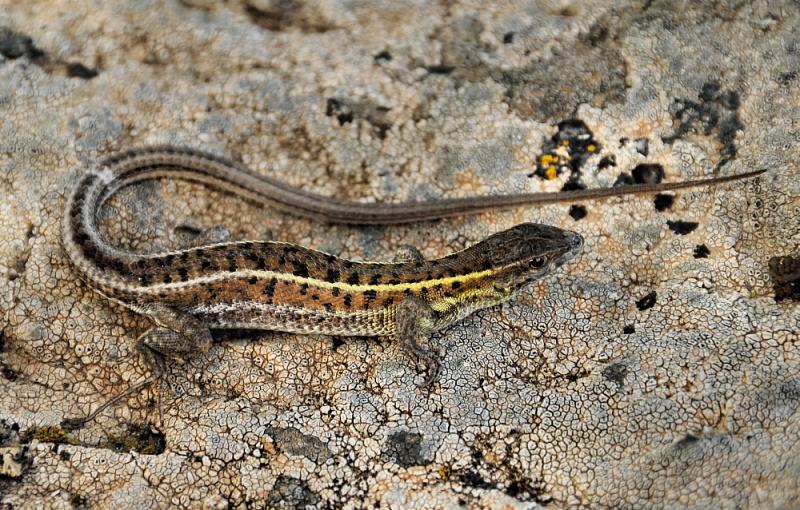
- Rock Lizard (Anatololacerta): A fast and agile species living on the steep cliffs in the high parts of the Taurus Mountains. It is an important part of the region in terms of biodiversity.
Tortoises: Wisdom of Slowness
The group of Lycian reptiles that will most frequently accompany you on your Lycian Way hikes are the tortoises (Testudo graeca), which move with calm and heavy steps.
- Natural Roles: By eating plant seeds and carrying them to different areas, they help in the spread of the region’s flora. They are nature’s slowest but most effective gardeners.
- Habitats: Maquis areas, olive groves, and sparse pine forests are their favorite habitats. When you encounter them, stepping aside and not touching them is the most appropriate behavior.
Snakes and Legends: Common Misconceptions
In Lycia, which is home to the Medusa legends, snakes have been both feared and respected throughout history. However, the vast majority of the snake population within Lycian Reptiles is harmless and an essential element of balance for the ecosystem.
- Venomous Species: The venomous snake species living in the region is the Ottoman Viper (Vipera xanthina), which is generally seen at high altitudes and avoids humans. Encountering this species is quite rare.
- Ecological Roles: By keeping the rodent population under control, snakes both protect agricultural areas and prevent the spread of epidemic diseases. To destroy them is to disrupt the balance of the ecosystem.
Important Note
The population of Lycian Reptiles and Amphibians is the group most affected by agricultural spraying in the region.
Nature Observation and Photography Ethics
We must not forget that we are “guests” in the world of these creatures. Following these rules while observing Lycian Reptiles and Amphibians makes you a conscious nature enthusiast:
- Put Stones Back in Their Place: If you have checked under a stone, be sure to put it back exactly as it was. That stone might be the home or hunting ground of a living creature.
- Do Not Touch: Touching creatures with sensitive skin, especially the Lycian Salamander, can cause harm to them due to the oils and chemicals on our skin.
- Location Sharing: Sharing the exact GPS coordinates of endemic and rare species on social media can make them targets for illegal wildlife traffickers. Keeping locations confidential is part of conservation. For detailed information, check out our “Lycian Nature Conservation and National Parks Guide” content.
Sources and Scientific Data: To access more technical details regarding herpetological (the study of reptiles and amphibians) studies in the Lycian region, you can visit The Reptile Database and the official IUCN Red List websites for global conservation statuses.
❓ Frequently Asked Questions
Is the Lycian Salamander poisonous?
No, it does not have poison that is dangerous to humans. However, the secretions on its skin can be irritating, so it should not be touched.
What should we do if we see a snake while hiking?
Do not panic. Snakes are afraid of humans and prefer to escape. Back away slowly and continue on your way.