Lycian Architecture
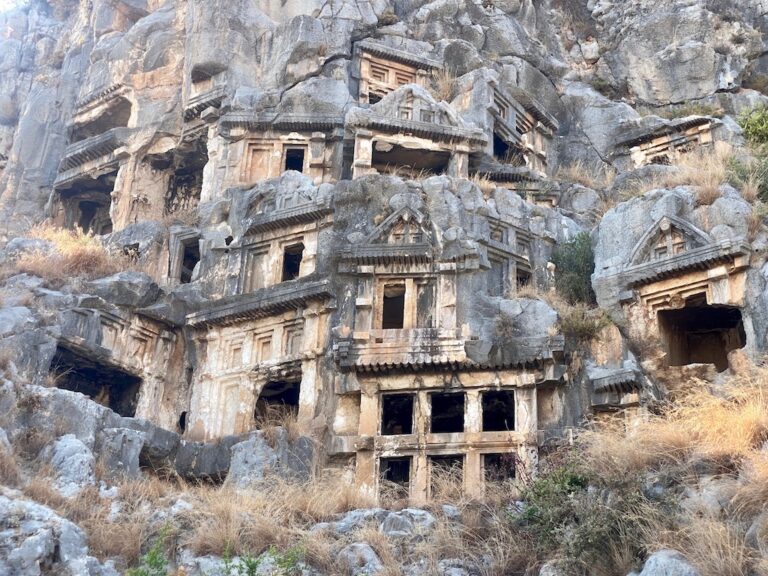
Lycian architecture: rock-cut tombs that turn wooden houses into stone, sarcophagi with pointed-arch lids, the pillar tombs of Xanthos and the Nereid Monument, and the theatres and council houses of Lycian cities.

The Story of the Land of Light
The Story of the Land of Light
Lycian architecture: rock-cut tombs that turn wooden houses into stone, sarcophagi with pointed-arch lids, the pillar tombs of Xanthos and the Nereid Monument, and the theatres and council houses of Lycian cities.
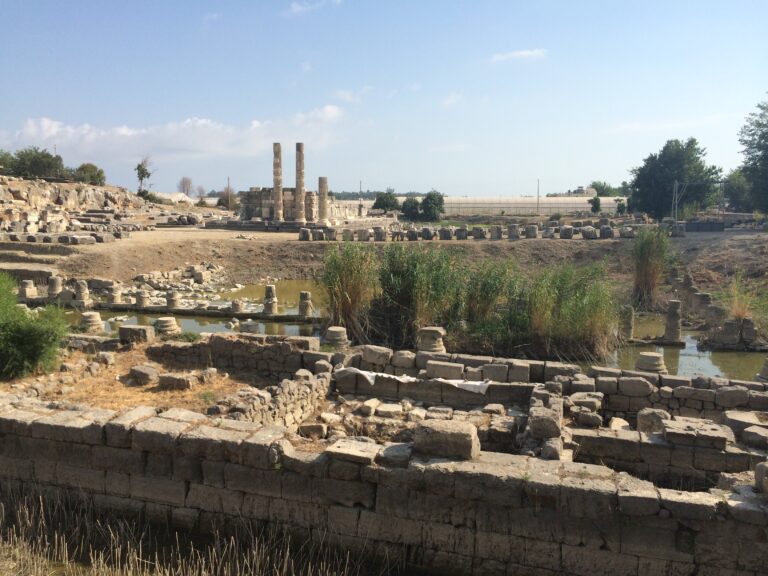
Belief in Lycia: a layered heritage of faith, from gods of Anatolian origin to Letoon and the oracle of Patara, and from St Nicholas to Yörük shrines and the lodge of Abdal Musa.
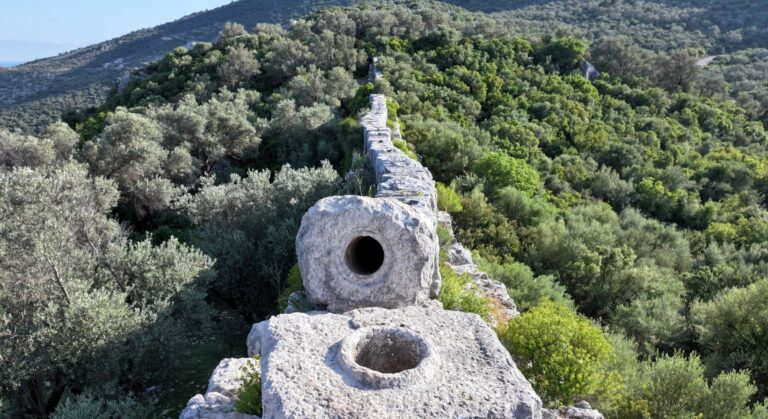
Lycian ancient water structures: the Delikkemer inverted siphon that carried water to Patara, pear-shaped cisterns in the mountains, the great underground cistern at Andriake, and the skill of managing water in a dry land.
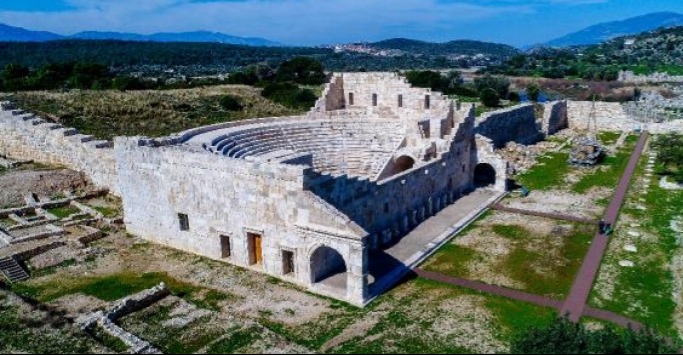
The Lycian League: a federation of 23 cities voting according to their size, praised by Montesquieu, echoed in the debates over the US Constitution, with its council house at Patara. An account based on the sources.
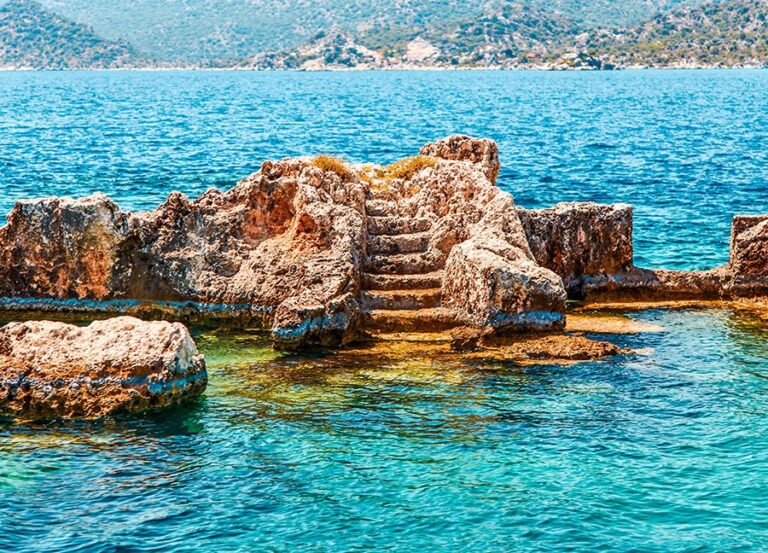
In our dossier on Lycian Geology and Earthquakes, explore the seismic fate of the Land of Light, the story of Kekova's submergence, and the awe-inspiring resistance strategies developed by ancient architecture against tremors. Embark on a tectonic journey with the latest 2026 seismological data.