

The Hidden Treasure of Fethiye
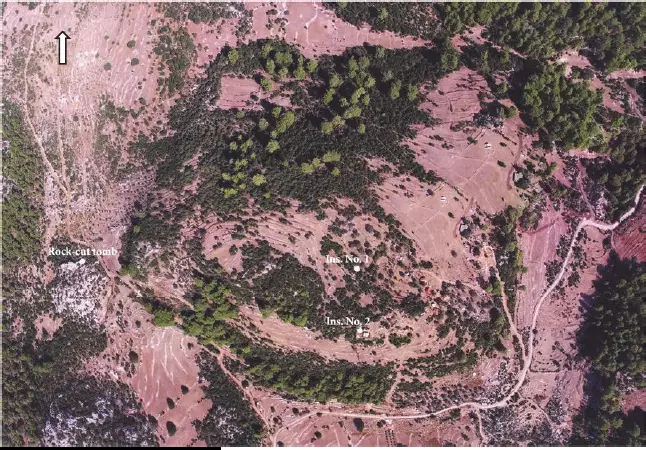
Located within the province of Muğla, approximately 24 km from the centre of Fethiye, Aloanda Ancient City is one of the lesser-known settlements of Lycia, the Land of Light. Situated in the Kocaçay Valley, northwest of Kabaağaç Village along the Gökben road (the Çaltıözü Asarcık locality), the city lies on one of the possible ancient routes between Pinara and Telmessos (Fethiye).
The Anatolian Origin of the Name Aloanda
The suffix “-anda” at the end of the name Aloanda is associated with Luwian, one of the oldest languages of Anatolia, and appears in many place names across the region, including neighbouring cities such as Kadyanda and Oinoanda. This shows that the name belongs to the local Anatolian linguistic layer that long predates Greek influence. The exact meaning of the name, however, is unknown.
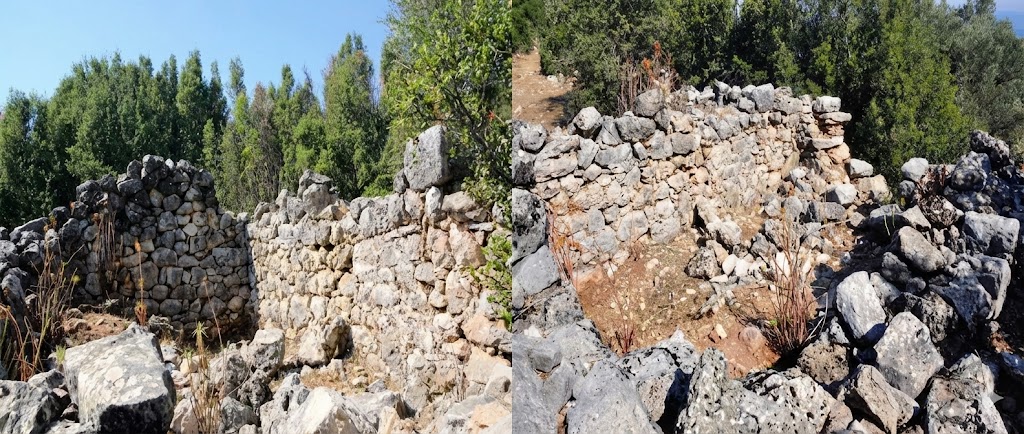
For years the site drew little attention, as only the foundations of its walls and fortress ruins were visible on the surface. It came back into focus through the field surveys led by Prof. Fatih Onur of Akdeniz University. The inscriptions found there confirmed that the ancient city at Asarcık was Aloanda. These finds show that even the small inland settlements of Lycia had institutions of their own.
Ancient Inscriptions and the Foundation of Pokomas
Two Greek inscriptions from Aloanda were presented to the scholarly world in 2021 by Prof. Fatih Onur and Dr Selen Kılıç Aslan. They offer valuable insights into religious life, social order and the tradition of foundations in Lycia.
The Foundation of Pokomas and the Lycian Banquet Culture
Inscription No. 1 belongs to a foundation established in the Hellenistic period by Pokomas, son of Ermedepimis. Although the text, inscribed on four sides of the block, is not fully preserved, it shows that five officials (brabeutai) were elected every year and entrusted with a sum of money. These officials were responsible for organising annual sacrifices and banquets. Fines were prescribed for officials who failed to follow the foundation’s rules.
An honorary share of the sacrifices was set aside for Pokomas and, after his death, for his descendants. The inscription also proclaims that the people (demos) of Aloanda crowned Pokomas with a wreath of olive branches. This shows that Pokomas was one of the city’s leading benefactors, and that Aloanda was an organised community with its own assembly. For more on the political structure of Lycian cities, please visit our Lycian History page.
Archaeological Remains and Necropolis of Aloanda
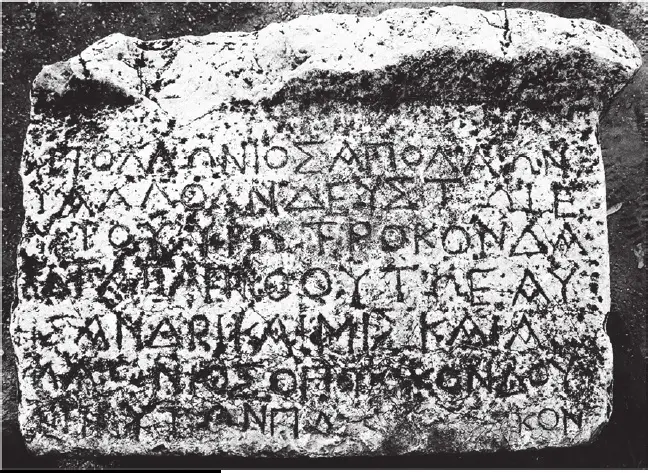
Inscription No. 2 tells a family story. Commissioned in memory of Trokondas, son of Apollonios, by his father, his wife Apa and his children, this funerary inscription points to the importance of the city’s necropolis. Names such as Trokondas and Apa come from the local Anatolian naming tradition. That people still bore local names even in an inscription written in Greek shows that Lycia preserved its own identity in the Hellenistic period.
One of the clearest signs of Aloanda’s Lycian identity is an inscription in the Lycian language found at Asarcık. Thought to belong to a religious monument, it shows that the city was already inhabited when Lycian was used as a written language, before the Greek inscriptions. The city walls and inscriptions indicate that the settlement was active in both the Classical and Hellenistic periods. Although Aloanda lacks the monumental buildings of great cities such as Patara or Xanthos, it is one of the best examples of the rural character of Lycian settlements. While exploring these ruins among the natural vegetation, you may also come across species featured in our Lycian Flora guide.
🏛️ Transportation and Travel Guide to Aloanda
Aloanda Ancient City can be reached via unpaved roads after turning off the Fethiye–Seydikemer road at the Kabaağaç village sign. You can find the city in our Lycian Ancient Cities list. For the academic details of the research, see the sources below.
Sources
Onur, F. & Kılıç-Aslan, S. (2021). “New Inscriptions from Aloanda in Lycia”. Gephyra 21, 1–45. https://doi.org/10.37095/gephyra.878855
Onur, F. & Tekoğlu, Ş. R. (2020). “The Ancient Routes and New Lycian Inscriptions around Fethiye”. Gephyra 19, 1–32. https://doi.org/10.37095/gephyra.647750
❓Frequently Asked Questions
What does the name Aloanda mean?
The exact meaning of the name is unknown. However, its “-anda” suffix is associated with Luwian and appears in many ancient place names across Anatolia.
How long does it take to get to Aloanda from Fethiye?
About 40–45 minutes by private vehicle.
What can be seen at the site?
The city walls, fortress ruins, tomb fragments and the areas where the inscriptions were found.