

Choma Ancient City: The Ancient Memory of the Elmalı Plain
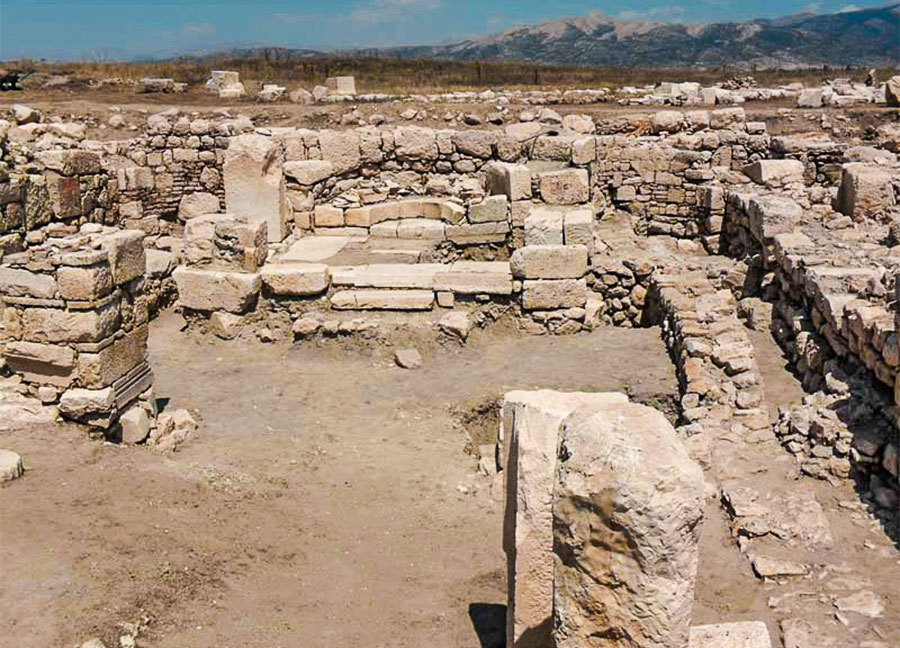
Unlike the steep rocky cities along the coastline of the Lycian geography, Choma Ancient City, rising right in the heart of the fertile Elmalı Plain, is one of the most important mound settlements in the region. Located on the Elmalı-Kaş highway, 14.5 km southwest of the district center, this ancient settlement is also known in archaeological literature as the Hacımusalar Mound.
Derived from a Greek word meaning “hill, mound, or earthen heap,” Choma perfectly defines the characteristic silhouette of the city. Measuring approximately 300×350 meters and standing 12 meters high, this artificial hill is a massive historical archive formed by thousands of years of settlement layers stacked upon one another.
5000 Years of Uninterrupted Life: The Chronology of Choma
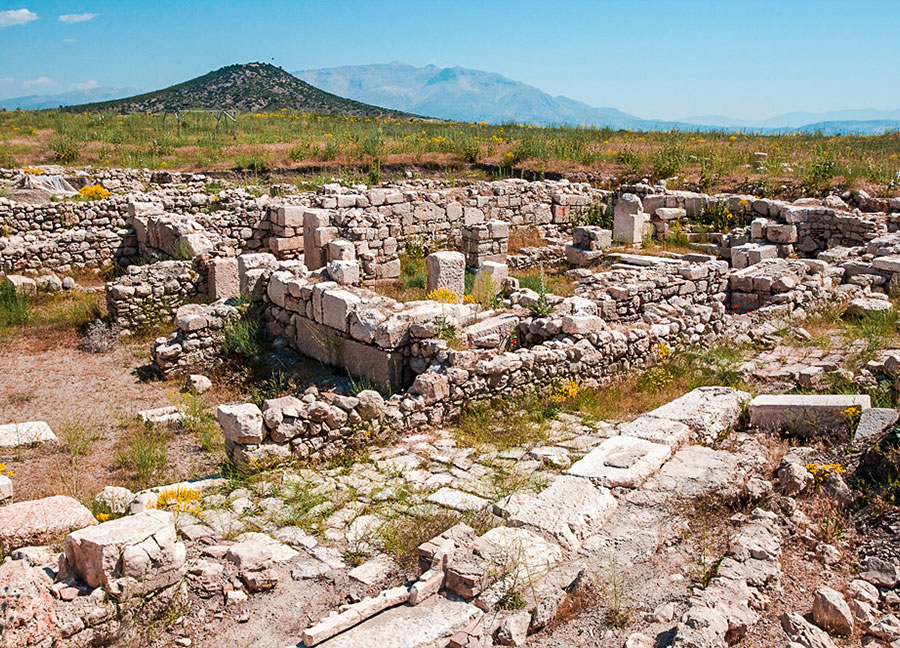
The Choma Ancient City serves as an unparalleled laboratory for understanding the chronological depth of Lycia. Excavations that began in 1994 under the leadership of Bilkent University and continued with international teams have opened the city’s gates back to the 3000s B.C. While the coastal cities of Lycia are generally associated with the Classical Period, Choma tells an uninterrupted story spanning from the Early Bronze Age to the end of the Byzantine era.
Historical Layers and Periods
- Copper and Bronze Ages: The earliest phases of the city offer the first traces of agriculture and metalworking in the plain.
- Iron Age and the Lycian Period: The era when the local identity of the region took shape and unique ceramics were produced.
- Hellenistic and Roman Empire: The golden age of Choma, during which it stood out as an administrative hub and managed the agricultural trade across the plain.
- Byzantine Period (5th – 11th Century A.D.): The final glorious phase of the city, where it appeared on episcopal lists and transformed into a religious authority.
You can reach more academic data regarding this deep history of the city on our Lycian History page.
Architectural Layout and Defense Systems
Choma overcame the security risks brought by being established on a flat plain through ingenious defense systems. Terraces located on the slopes of the mound both organized the living spaces and created layered defenses.
Mudbrick Walls and Engineering
The mudbrick fortification walls discovered on the eastern and northern facades of the city are a reflection of the traditional architecture of inner Anatolia in Lycia. The reinforcement of mudbrick walls with additional fortifications constructed from sandstone proves the strategic importance of Choma in its era. These structures show that the city was not just an agricultural village, but a fortress-city controlling the plain.
Religious Center and Artistic Masterpieces: The Choma Mosaics
The appearance of its name on ancient episcopal lists (Notitiae Episcopatuum) proves that Choma Ancient City was not only an economic center but a spiritual one as well. The large church rising in the center of the city was expanded and used across three distinct phases from the 5th century to the 11th century A.D.
Mosaic Ceilings and Wall Paintings
The most fascinating discoveries unearthed during the excavations demonstrate the artistic richness of the church and surrounding structures:
- Wall Paintings (Frescoes): Walls decorated with floral motifs, geometric patterns, and rare human figures symbolize the strength of Byzantine art in the Anatolian countryside.
- Mosaic Art: Mosaics utilized both on the floors and in ceiling structures—which are rare in the ancient world—display the aesthetic level of the city.
- Ritual Artifacts: Terracotta vessels and ritual materials used in ceremonies provide concrete data regarding the religious life of the city.
You can discover the natural environment that inspired the artistic motifs of the region in our Lycian Flora guide.
🏛️ The Cultural Route of Elmalı
A visit to the Choma Ancient City should be combined with the other historical beauties of Elmalı. After exploring the city, you can visit the Elmalı Museum, located just 15 km away, to see the famous “Elmalı Treasures.” Furthermore, the region serves as a transit point to the inner highland stops of the Lycian Way route. Our Lycian Fauna page can guide you to familiarize yourself with the wildlife of the city during your trip.
🏛️ Frequently Asked Questions (FAQ)
How do I get to Choma Ancient City?
You can reach it in approximately 15 minutes by following the highway leading from the Elmalı district of Antalya toward Kaş. The mound near Hacımusalar Village can be seen clearly from the roadside.
What is the difference between a Mound and an Ancient City?
A mound (höyük) is an artificial hill formed over thousands of years by cities being destroyed and built on top of each other at the exact same spot. Choma is not a classical stone city, but a “settlement heap.”
Are excavation works continuing in Choma Ancient City?
Surface surveys and preservation efforts continue at certain intervals in the region. As of 2026, a portion of the unearthed artifacts is in the restoration phase.
Where can I see the artifacts unearthed from here?
Mosaics, wall paintings, and small finds obtained from the Choma excavations are exhibited in the collection of the Antalya Museum, the richest museum in the region.