
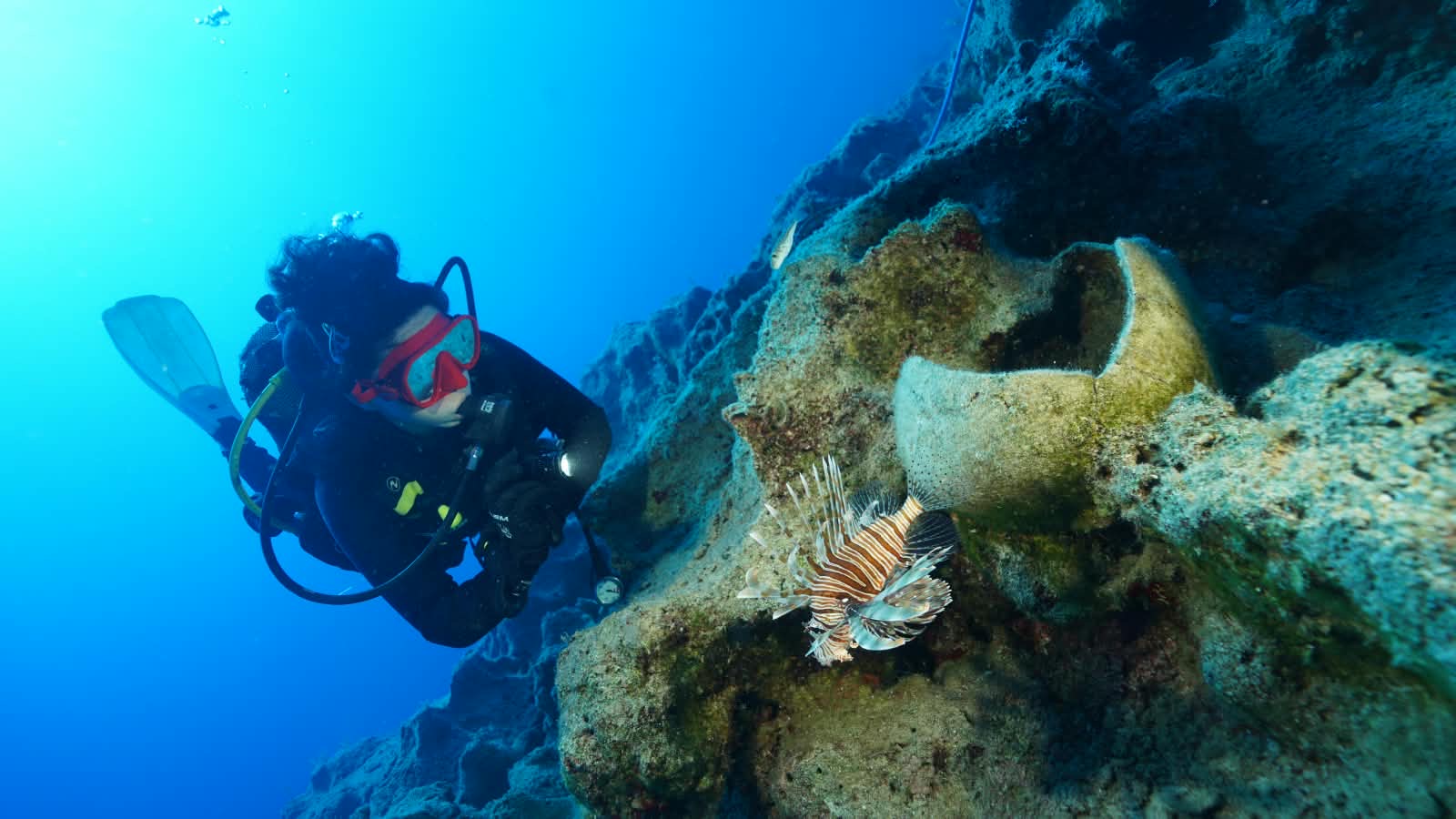

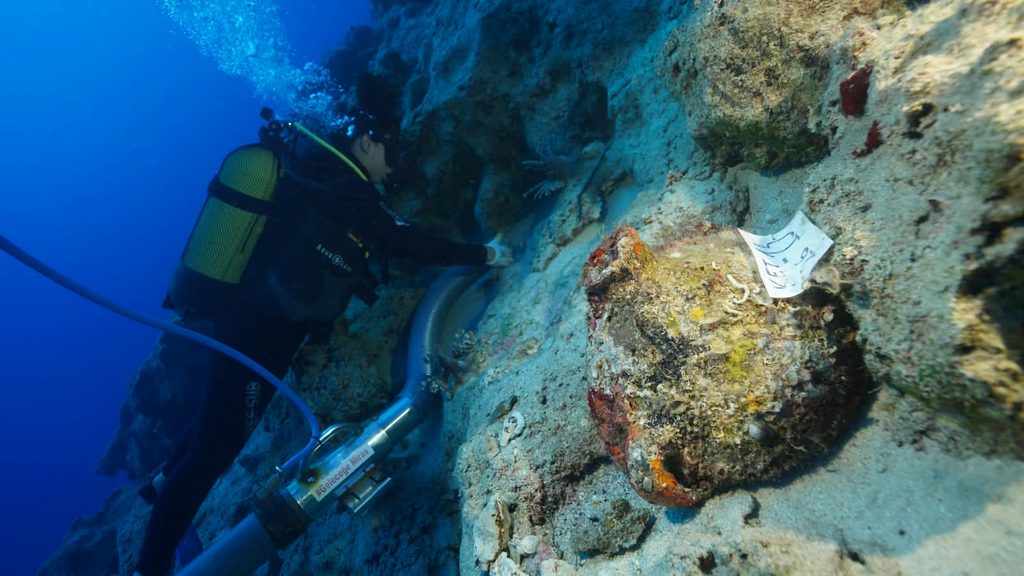
The Kekova shipwreck is an Early Bronze Age wreck dated to the 27th–24th centuries BC. Assoc. Prof. Hakan Öniz, the underwater archaeologist from Akdeniz University who led the excavation, told Voice of Lycia that all of the wreck’s finds have now been raised from the seabed off Kekova Island. The work, carried out under the Antalya Museum with Öniz as scientific director, recovered three large stone anchors and more than 30 amphorae.
How Was the Kekova Shipwreck Found?
Öniz says his team discovered the wreck during surface surveys in 2024, but did not at first realise how old it was: “At first we thought it was an Ottoman-period wreck. When we began excavating in 2026 and brought up samples, we understood it was much older.”
How Was the Kekova Shipwreck Dated?
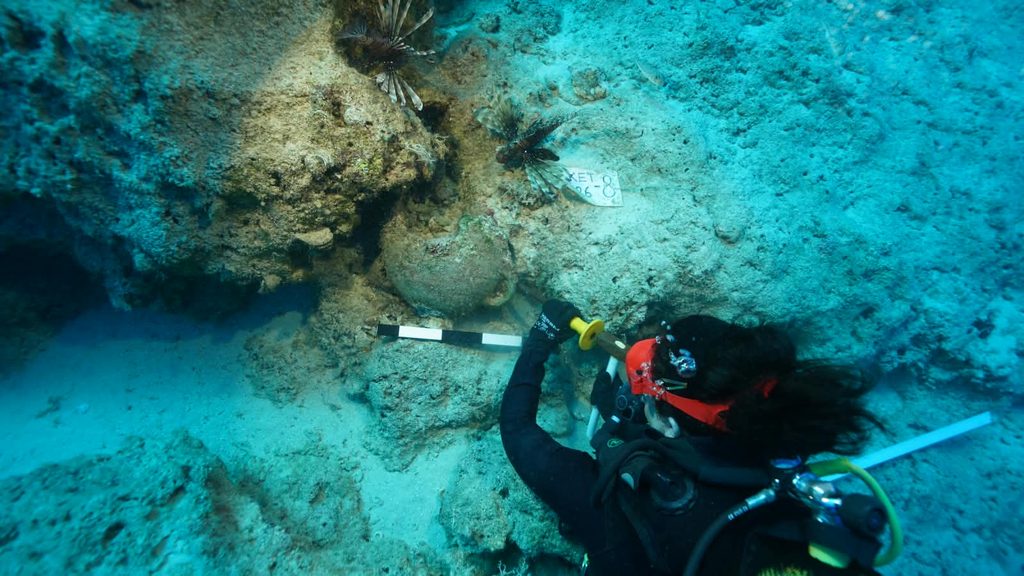
In underwater archaeology, wrecks are dated largely by the form of the amphorae they carry, known as amphora typology. The team found parallels for the Kekova amphorae in publications of excavations carried out in Egypt in the 1920s and 1930s. According to Öniz, these comparisons showed that the wreck belonged to the Early Bronze Age. The amphorae’s clay points to the Jordan Valley, and the vessel is estimated to have been about 10 metres long.
In October the Ministry of Culture and Tourism announced the find as “the world’s oldest shipwreck”. Öniz says the description is accurate: “Before sharing a find with the public, we prepare its scientific publication. We did the same here: first we prepared the publication, then we made the announcement.” The first report on the wreck was published in the Journal of Maritime Archaeology (JMAR).
The Lycian Coast: A Bronze Age Trading Hub
According to Öniz, little is known about the Lycian coast in the Early Bronze Age: “For that period we know Troy, and we know the Minoan civilisation on Crete, so we might think the ship was heading to Troy or Crete.” Öniz says the picture changes when this wreck is considered together with the Gelidonya and Uluburun wrecks and with the copper-ingot wreck announced off Kumluca in 2019, which his team also announced: “We can safely say that the Lycian coast held a very important place in Bronze Age maritime trade. The Lycian coast could even be seen as a hub of international trade.”
Öniz says that of the roughly 434 shipwrecks documented in Turkish waters, about 60 per cent, more than 250, lie off the Lycian coast, and work to research them continues.
Where Will the Finds Be Displayed?
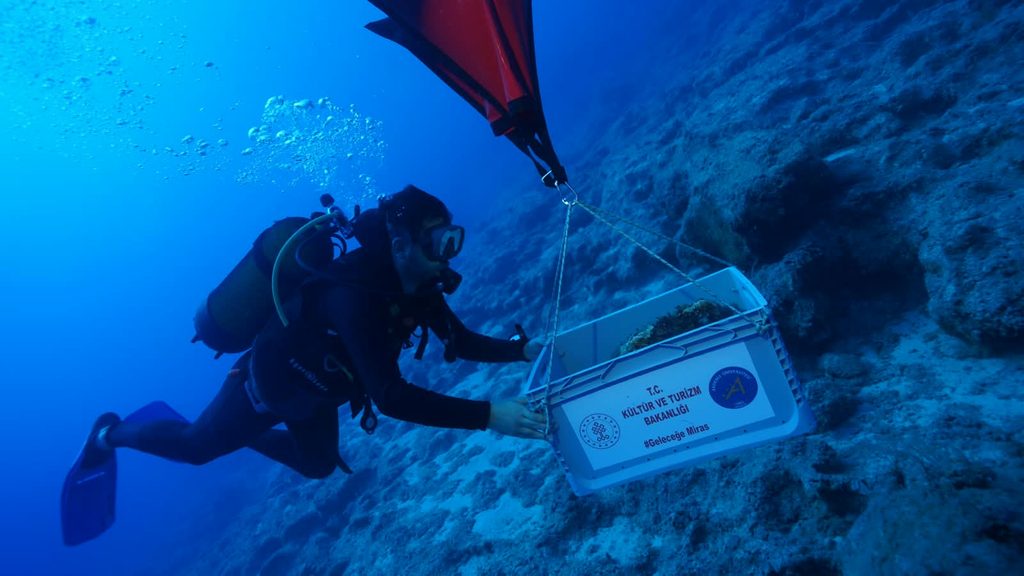
The finds from the Kekova wreck will go on display in April 2027 in Istanbul, at the new archaeology museum being built on the Haydarpaşa Station site. Their permanent home will be the Mediterranean Museum of Underwater Archaeology now under construction in Kemer.
Voice of Lycia Note
The Kekova wreck shows that this coast was part of Eastern Mediterranean trade long before the Lycians, roughly a thousand years before the name “Lukka” appears in Hittite texts. For Lycia’s Bronze Age past, see our Lycian History and The Anatolian Roots of Lycia articles; for the ancient settlements of Kekova, see our Aperlai and Simena pages. Our report on the new anchoring rules in the area also concerns the protection of this underwater heritage.
Sources
- Öniz, H. and Öztosun, C. (2026). Preliminary Report on the Early Bronze Age Shipwreck in the Kekova Region of Antalya. Journal of Maritime Archaeology, 21(3).
- Bilim ve Teknik – The wreck found off Kekova may be 4,500 years old (20.10.2026, in Turkish)
Voice of Lycia news is prepared in line with our Editorial Principles. If you notice an error, please let us know.