

The Lycian Heritage Above the Clouds
Unlike the well-known coastal port cities of the region, Balboura Ancient City, one of the most unique settlements of the ancient Lycian geography, rises with an isolated grandeur among steep mountains. Located in the Karaçulha locality, southeast of the Altınyayla district of Burdur province, the city is a true “hidden treasure” for history enthusiasts.
The most important feature that distinguishes Balboura from all other cities of the Land of Light is that it was established at exactly 1,600 meters above sea level. This altitude makes the city the highest-elevation settlement in the entire Lycian region. This position at the summit of the mountains provided Balboura with both a strategic defensive advantage and offered a cool climate that protected the city from the scorching summer heat of the region.
The Tetrapolis and the Political History of Balboura
During the period of Roman rule, Balboura Ancient City was not just a local settlement but also part of a strategic alliance. It was included in the Tetrapolis (League of Four Cities) formed by four cities, along with Kibyra (Cibyra), the center of the region known as Kabalia at the time.
Although it was part of this northern alliance, Balboura was always referred to as a “Lycian City” in ancient sources due to its cultural and historical ties. This situation is proof of how deeply the Lycian identity penetrated even into the highest summits of the mountains. You can find more information about the political past of the city and its relations with other Lycian cities on our Lycian History page.
Ancient Landowners and the Balboura Economy
Although Balboura was a small settlement in terms of size, its social structure is quite fascinating. The city’s source of income was agriculture carried out in the fertile plains stretching just below. A historical inscription, which is under protection in the Fethiye Museum today and details the names and rights of the landowners in the region, sheds light on the socio-economic structure of the city.
As understood from this inscription, Balboura was a center where agricultural wealth was managed, serving as a residence for a kind of “landowners” or large property holders. The mansions on the mountain summit hosted noble families who controlled the plains below. For the agricultural abundance and endemic species of the region, you can browse our Lycian Flora guide.
Archaeological Remains: The Acropolis and the Small Theater
The Balboura Ancient City possessed an architectural plan interwoven with nature, through the middle of which a river flowed. Today, the most distinct structure belonging to the city is the ancient theater located on the hill where the Acropolis (Upper City) takes place.
- Balboura Theater: Featuring only 16 rows of seating, this small yet impressive structure demonstrates the importance given to art and culture despite the city’s modest population.
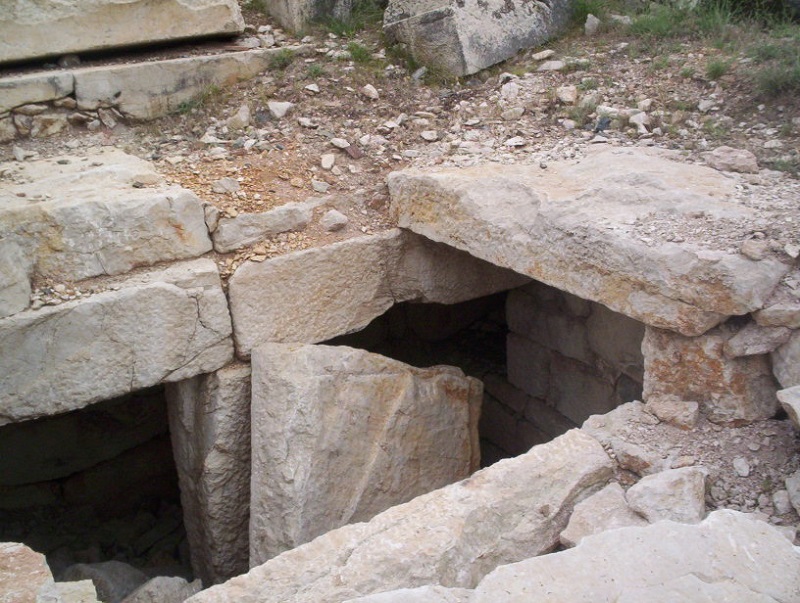
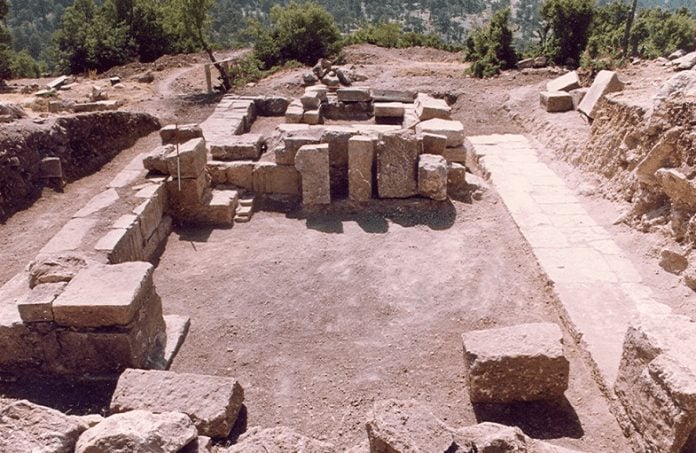
- North Hill Remains: Most of the structures forming the main fabric of the city center are located on the slopes of the northern hill. Unfortunately, due to the destructive effects of nature and the historical process, most of these ruins are not standing today.
- Spectacular Views: Although the standing structures are limited, the panorama viewed from the Acropolis at an altitude of 1,600 meters makes Balboura unique among alternative Lycian Way routes.
The isolated structure of the city has also allowed many wild species included in the Lycian Fauna to maintain their existence in this region.
🏛️ Balboura and the Fethiye Museum
The famous “Land Inscription,” which describes the property structure and social hierarchy of Balboura Ancient City, is one of the most valuable pieces of the Fethiye Museum today. By visiting this museum before or after exploring the city, you can better grasp the administrative details of life in Balboura. You can visit the website of the T.R. Ministry of Culture and Tourism for current museum entrance information.
🏛️ Frequently Asked Questions (FAQ)
How do I get to Balboura Ancient City?
The city is in the Karaçulha locality near the Altınyayla district of Burdur. Since part of the road is unpaved, it is recommended to go with a vehicle suitable for rough terrain.
What is the best time to visit Balboura Ancient City?
Since the city is at an altitude of 1,600 meters, it may be covered with snow during the winter months. The most ideal period for a visit is spring, when mountain flowers bloom, and the summer months with their cool air.
Which cities make up the Lycian Tetrapolis?
The Lycian Tetrapolis is a four-city federation consisting of the cities of Kibyra, Oenoanda, Bubon, and Balboura.
Has a comprehensive excavation been carried out in Balboura Ancient City?
Balboura has not undergone as intensive an excavation process as the coastal cities of Lycia; current knowledge is mostly based on surface surveys and found inscriptions.
What was the primary source of livelihood for the people of Balboura?
The city was a settlement where the landowners who owned the territories here resided. They obtained their income from agriculture carried out in the fertile plains located right below the city.