

Boubon Ancient City: The Mysterious Guardian of Dikmen Tepe
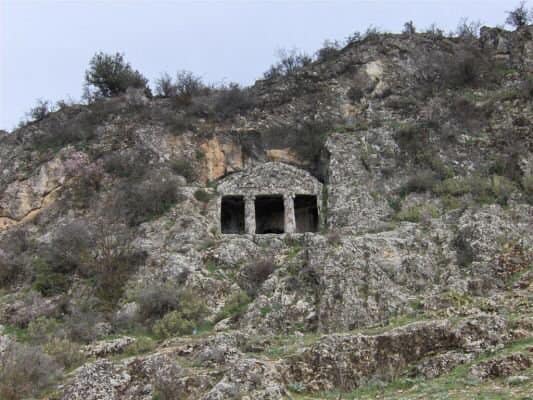
Standing at the intersection of Antalya, Muğla, and Burdur provinces, emerging from the dusty pages of history, Boubon Ancient City is the strategic fortress at the northernmost tip of the Land of Light, Lycia. Today rising upon Dikmen Tepe, located 1.5 km west of İbecik Village in the Altınyayla (formerly Dirmil) district of Burdur, this ancient city is not merely a settlement; it is the center of border diplomacy and heroic tales of antiquity.
Hidden like a jewel among the dense thickets of kermes oak unique to the region, Boubon served as a bridge between the Lycian and Carian regions due to its geographical location. The name of the city appears frequently in ancient sources, particularly during the 2nd and 3rd centuries A.S. (A.D.), when Roman influence in the region intensified.
The Lycian Tetrapolis and the Political Power of Boubon
The Boubon Ancient City was one of the four most important cities of the region referred to in history as “Kibyratis.” It took part in the alliance established in this region known as the Tetrapolis (League of Four Cities), alongside Kibyra, Oinoanda, and Balboura. Although it initially assumed a more local role within this alliance, it became a full member of the Lycian League over time and gained a voice in regional politics.
This political evolution of the city was not just a result of urban growth, but also the outcome of military success. To better understand its relationship with other cities within the Lycian federation, you can examine the federation structure on our Lycian History page.
Victory Against Bandits: The Story of the 3 Voting Rights
The event that makes Boubon special among the 23 noble cities in Lycian history is the unmatched courage displayed by its people. During the Roman Empire period, bandit gangs had emerged in the border regions as the central authority weakened. Due to its location, Boubon was the first target of these attacks. However, instead of surrendering, the people of Boubon initiated an organized resistance and routed these bandit gangs.
This success was rewarded by the Lycian League and the Roman Emperor himself. While under normal circumstances each city in the Lycian League possessed 1 or 2 voting rights, Boubon’s voting right was increased to 3 due to this loyalty and success. This historic decision was documented by the famous letters of gratitude written by Emperor Commodus to the people of Boubon, which were recovered in the city’s theater.
The Sebasteion and the Great Plunder: Lost Bronze Statues
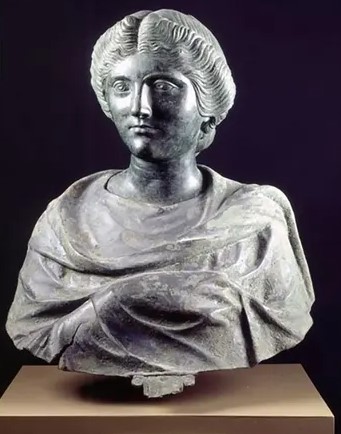
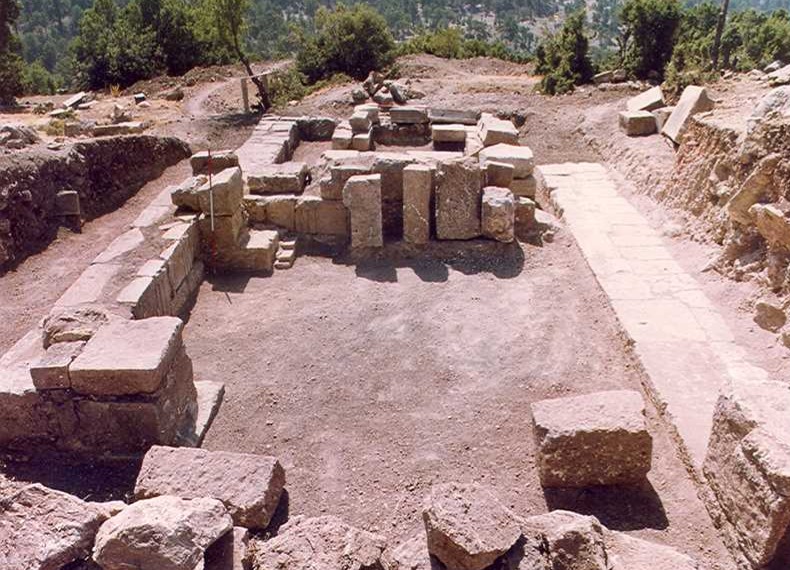
Unfortunately, Boubon Ancient City is also known in the archaeological world for a major “statue plundering” that occurred in the 1960s. The Sebasteion (Temple of the Emperors), one of the most sacred areas of the city, was emptied through illicit excavations during that period, and monumental bronze imperial statues, unparalleled in the world, were smuggled abroad.
- Return from Worcester: An invaluable bronze bust exhibited at the Worcester Art Museum in the USA for approximately 57 years was returned to its homeland in 2024 as a result of the persistent follow-up by the Ministry of Culture and Tourism of the Republic of Turkey.
- Portrait of a Woman: This artifact, known as the “Portrait of a Woman,” is dated to the 2nd century A.S. (A.D.) and is currently exhibited as one of the most valuable pieces in the Burdur Museum.
You can compare this tragic yet proud artistic heritage of the city with the finds of other cities via our Lycian Ancient Cities List.
🏛️ Archaeology Inside Nature
The Boubon Ancient City is covered with dense kermes oak thickets. Although this situation conceals a portion of the ruins, it provides visitors with a true sense of “discovery.” You can use our Lycian Flora guide to see the endemic species of the region during your visit. Additionally, the city is situated on one of the northern transit points of the ancient Lycian Way route. Do not forget to check the website of the T.R. Ministry of Culture and Tourism for current travel notes.
🏛️ Frequently Asked Questions (FAQ)
How do I get to Boubon Ancient City?
The city is near İbecik Village in the Altınyayla district of Burdur. After reaching the village, you can reach the archaeological site on Dikmen Tepe with an approximate 20-minute climb. The final part of the road is a pathway.
Which structures must be seen in Boubon Ancient City?
First and foremost, the Ancient Theater, where the famous imperial letters were found, should be seen. Furthermore, the fortress walls showing the defense system of the city and the Sebasteion (Temple) area should be visited.
What does the name Boubon mean?
According to some linguists, the name is of Luwian origin, and although it is associated with the vegetation of the region or a local hero, its definitive etymological origin is still a subject of research.
Where can we see the returned bronze bust?
The bust known as the “Portrait of a Woman,” brought back from the USA, is exhibited in the special hall of the Burdur Museum.
What is the best time to visit Boubon Ancient City?
Due to the altitude where the city is located, snow and storms can be observed during the winter months. The most ideal visit time is between the months of April and October.