
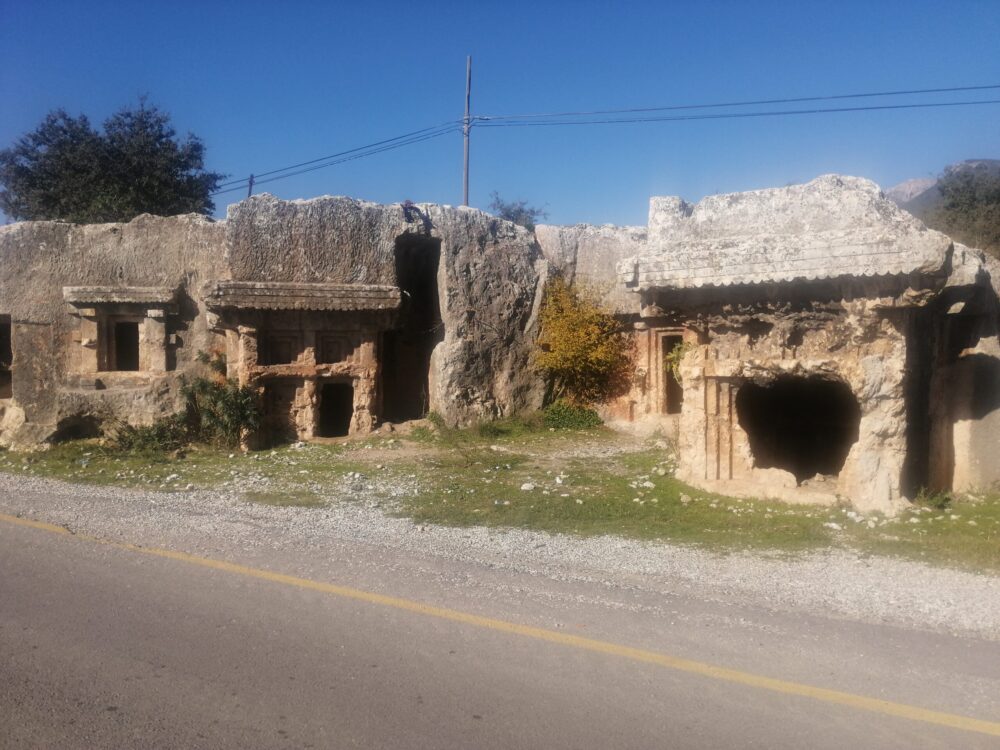

Araxa Ancient City: The Sacred Source of the Xanthos River
The Ancient City of Araxa derives its name from words in the Luwian and Carian languages meaning “the shrine with an altar.” In Lycian inscriptions, the city is referred to as Araththi. This name suggests that the region has been considered a sacred water source and a religious center since ancient times. Gaius Plinius, the famous Roman philosopher and commander, included Araxa among the 36 important towns and cities belonging to the old Lycian League in his work, Naturalis Historia.
The village of Ören, where the city was established, remains one of the greenest corners of Lycia, living on the abundance of its water today. For more information about the natural richness of the region, you can browse our Lycian Flora and Lycian Fauna pages.
A Diplomatic Legacy: The Orthagoras Inscription
The most important discovery that highlights the Ancient City of Araxa in archaeological literature is the inscription belonging to Orthagoras, a diplomat honored by the city, which is now exhibited in the Fethiye Museum. This massive inscription recounts the Lycian League’s relationships with neighboring regions and the struggles Araxa faced to maintain its independence.
- Struggle with Kibyra: The inscription details territorial disputes with Araxa’s northern neighbors, Kibyra (Cibyra) and Boubon, and the diplomatic efforts Orthagoras made to resolve these conflicts.
- Lycian League Relations: Although Araxa was included in the union with a single vote, it was a respected and influential city within the federation. You can reach the detailed chronology of the city’s political past on our Lycian History page.
Archaeological Remains and Necropolis in Araxa
Although the city’s ruins remain largely under the modern settlement today, it is still possible to encounter remarkable works on the surface. Despite the fact that excavations have not yet been completed, the Ancient City of Araxa reflects the “rural yet noble” architecture of Lycia even through surface surveys.
- Acropolis and Walls: Fortress ruins belonging to the city’s defense system can be seen on the slopes of the hill next to the village. These walls prove how well-fortified the city was constructed against potential attacks from border regions.
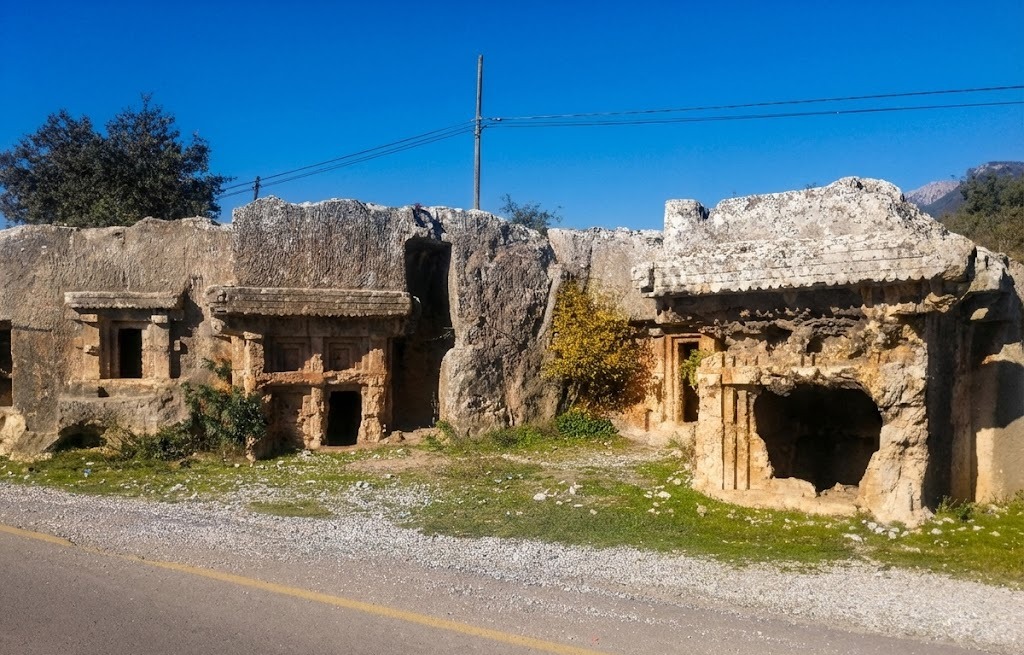
- Rock Tombs: Lycian-type rock tombs carved into the mountainside are the most distinct parts of the city’s necropolis area. Ornaments reflecting the beliefs of the local people have been found in some of these tombs.
- Lycian-type Sarcophagi: The magnificent sarcophagi that draw attention in the surrounding area and can even be seen in the village streets today are of a quality that competes with major metropolises like Xanthos and Tlos.
Araxa as a Byzantine Period and Episcopal Center
With the spread of Christianity, Araxa did not lose its importance; on the contrary, it became a strategic episcopal center during the Byzantine period. The remains of the episcopal church at the highest point of the region confirm the city’s place in the religious hierarchy. Even during periods when Arab raids intensified, life in Araxa continued uninterrupted thanks to the advantages provided by its water sources.
This long adventure of Araxa, shaped by water, still impresses visitors coming to the region today. The city is also indirectly connected to the Lycian Way route through ancient road networks.
🏛️ Araxa Visit Recommendations
The best time to visit the Ancient City of Araxa is during the spring months when the water is most abundant. You can easily reach Ören Village by minibusses departing from Seydikemer or with your own vehicle. Entrance is currently free, but we recommend seeing the Orthagoras Inscription in the Fethiye Museum to fully grasp the city’s history. You can examine the T.R. Ministry of Culture and Tourism – Seydikemer Guide page for current museum entrances and archaeological site status.
🏛️ Frequently Asked Questions (FAQ)
Where exactly is the Ancient City of Araxa?
The city is within the borders of Ören (formerly known as Evren) Village in the Seydikemer district of Muğla. It is approximately 40 kilometers from Fethiye, right next to the source of the Eşen Stream (Xanthos River).
Is there an entrance fee for Araxa?
Entrance to the Araxa archaeological site is currently free. Since the ruins are spread across the village settlement and the surrounding hills, there are no gates or ticket booths.
Why is the Orthagoras Inscription so important?
Because this inscription is one of the longest and most detailed documents describing the foreign policy of the Lycian League, land disputes between city-states, and the operation of diplomacy in the ancient world.
Has there been a comprehensive excavation in the city?
No, a systematic and comprehensive archaeological excavation has not yet been conducted in Araxa. Most of our current knowledge is based on surface surveys and found inscriptions.
What else should be seen in the region besides the Xanthos River?
Due to its location, Araxa is very close to the Ancient City of Tlos and Saklıkent Canyon. You can visit these points in a route within the same day.