
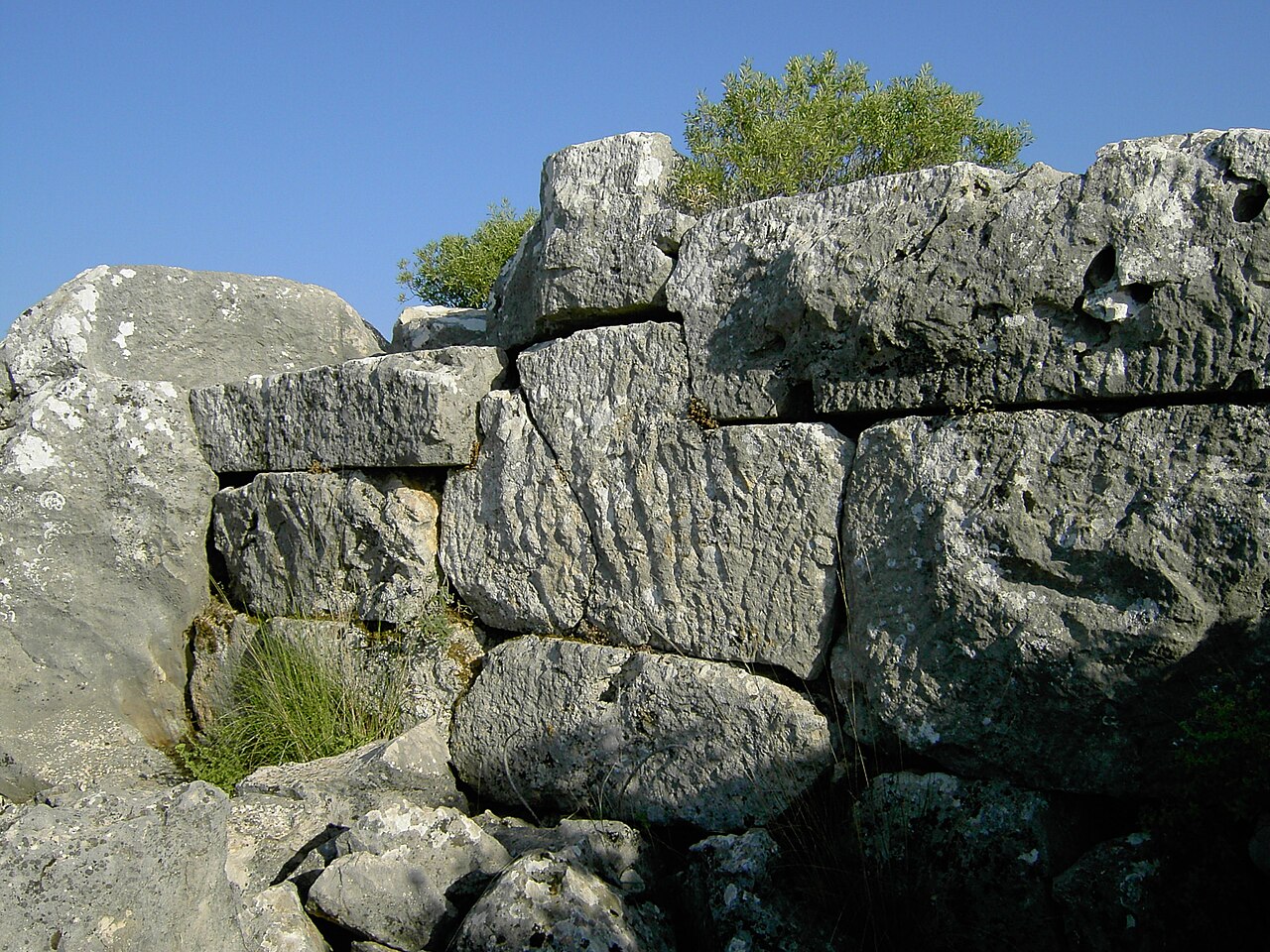

Arsada Ancient City: The Silent Observer of the Xanthos Valley
Situated at a strategic point between two giants of the region, the Tlos Ancient City and the Xanthos Ancient City, within the Xanthos Valley —considered the heart of ancient Lycia— the Arsada Ancient City is a treasure waiting to be discovered by history enthusiasts. Located within the borders of Arsa Neighborhood (formerly Fethiye) in the Seydikemer district of Muğla, the city boasts a commanding view over the entire valley due to its position on a steep hill.
Arsada is one of the settlements that reflects the rural residential character and defensive architecture of Lycia in its purest form, far from the noise of large cities. The fortress walls, watchtowers, and rock tombs that can still be seen on the surface today confirm that the city was once an important military outpost controlling the transit routes in this valley.
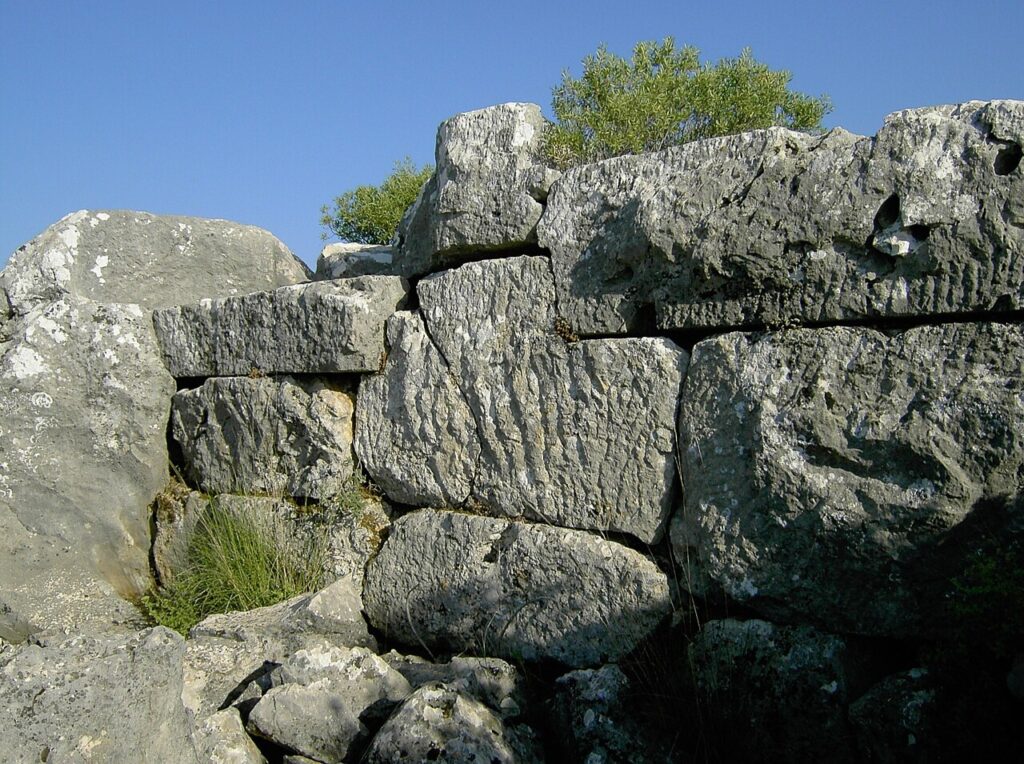
Thomas Spratt and the Rediscovery of Arsada Ancient City
The introduction of the Arsada Ancient City into modern archaeological literature was made possible by Thomas Abel Brimage Spratt, an English Vice-Admiral, hydrographer, and geologist who was one of the prominent scientists of the 19th century. During his meticulous investigations in the Lycian region, Spratt visited these ruins near the Arsa village and brought to light the first evidence identifying the city.
The inscriptions on two important rock tombs that Spratt identified during his visit confirmed that the name of the city was Arsada or Arsadus. This discovery proved that the city was not just a local fortress, but an official settlement mentioned within the Lycian League. You can find more information about the city’s discovery process and other research in the region on our Lycian History page.
Arsada Ancient City History: Honorific Inscriptions and the Cult of Apollo
The inscriptions found in Arsada offer fascinating details about the ancient city’s social structure and religious beliefs. In particular, the inscriptions on a sarcophagus include information regarding the democratic structure (Demus) of the city:
- Golden Crown and Bronze Statue: The inscriptions record that the city’s “People’s Assembly” (Demus) honored a respected citizen who provided outstanding service to the community with a golden crown and a bronze statue. This shows that despite being a small settlement, Arsada possessed an advanced system of political honoring.
- Traces of the Temple of Apollo: Expressions used in the inscriptions point to the existence of a temple dedicated to Apollo, the God of Light, within the city. Although the foundations of this temple have not yet been fully excavated, it is understood that the cult of Apollo played a central role in this mountain city as well.
Archaeological Status and Landscape Enjoyment
To date, a comprehensive and systematic excavation has not yet been carried out in the Arsada Ancient City. For this reason, a large part of the ruins remains underground or covered by vegetation. However, the craftsmanship of the fortification walls visible on the surface is valuable for understanding the Lycian art of defense.
The greatest attraction of the city is the panoramic view it offers. Looking down from the hill, the curves of the Eşen Stream (Xanthos River) and the vast plains of the valley reveal the settlement strategy of the ancient era. If you wish to discover the unique plant diversity of the region while hiking, our Lycian Flora guide can accompany you.
🏛️ Arsada Ancient City Visit Recommendations
The Arsada Ancient City is a “hidden discovery” route rather than a professional archaeological site. For this reason, you should definitely bring enough water and sturdy walking shoes with you. You can fully grasp the history of the Xanthos Valley by planning a route that includes Arsada’s neighbors, Tlos and Araxa. You can examine the T.R. Ministry of Culture and Tourism – Muğla Portal page for current museum entrances and archaeological site status.
🏛️ Frequently Asked Questions (FAQ)
Where exactly is the Arsada Ancient City?
It is near the Arsa Neighborhood in the Seydikemer district of Muğla. It can be reached after a short journey inland from the road between Fethiye and Kaş.
Is there a guided tour available in the city?
Currently, there is no official guiding service or ticket booth at the archaeological site; the ruins are scattered across the villagers’ lands and hilly areas.
What is the best time to visit Arsada Ancient City?
The spring months are the most ideal time to walk the rugged terrain of the city and enjoy the scenery. The region can be quite hot during the summer months.
Which structures must be seen in the Arsada Ancient City?
The inscribed rock tombs mentioned by Thomas Spratt, the acropolis walls, and the tower remains commanding the valley are the main structures to see in the city.
What other ancient remains can be explored around Arsada Ancient City?
Just above the rock tombs, when looked at carefully, the remains of ancient cisterns and traces of civic structures at the foundation level can be seen. Additionally, stone blocks belonging to defensive towers can still be identified on the western slope of the hill.